15 Things From the ’90s That We All Desperately Miss
The 1990s weren’t perfect, but they sure knew how to deliver a good time. It was that short window where analog fun and digital promise collided—before every moment needed a caption and before you’d ever hear the phrase “algorithm fatigue.” Here’s a look at the things that made the ’90s a low-key paradise.
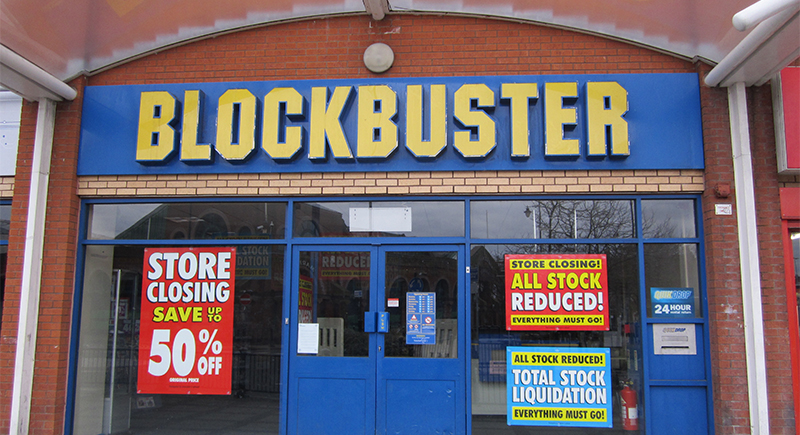
Blockbuster Fridays Were a National Ritual
Credit: Wikimedia Commons
On Friday nights, families made the same detour: straight to Blockbuster. Rows of VHS tapes, plastic cases clicking open, and a race to grab the last copy of Jurassic Park were all part of the deal. If you timed it right, you’d leave with a tape, candy, and zero regrets.
You Couldn’t Be Reached 24/7

Credit: Wikimedia Commons
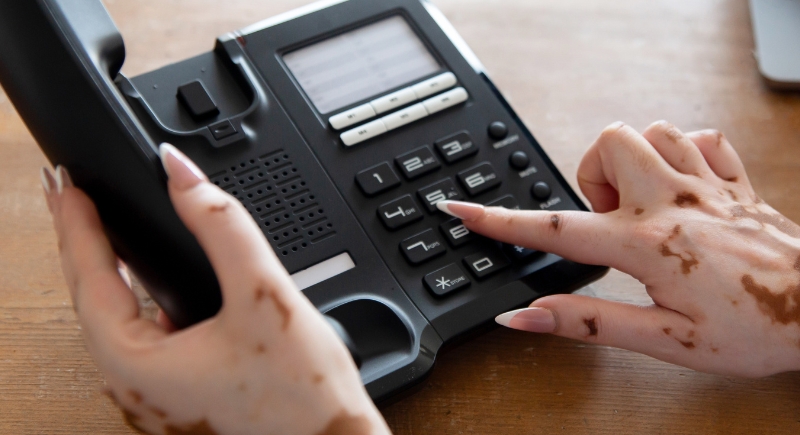
Before smartphones took over every spare moment, there were hours—entire weekends, even—when no one could reach you. Leaving a message on an answering machine and trusting someone would get back to you built patience. It also gave people space to actually enjoy their time off without interruption.
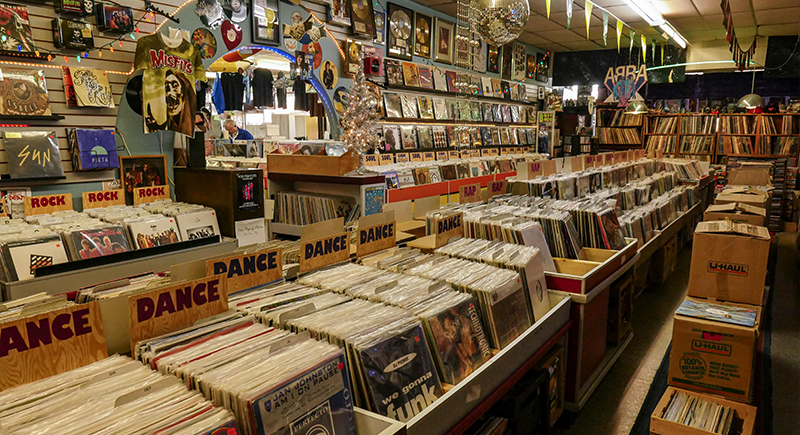
Music Discovery Happened at Record Stores
Credit: pexels
People browsed racks by album cover, not algorithm. Local record stores acted as unofficial community hubs for music lovers. Staff recommendations often meant more than any chart ranking. If you liked that Pearl Jam CD last week, someone might nudge you toward Soundgarden.
Everyone Watched the Same Shows at the Same Time

Credit: iStockphoto
TV shows aired once a week, and that was that. If you missed a Friends episode, you had to wait for a rerun. Shared viewing meant more shared conversations, especially around lineups like ABC’s TGIF. Whole families gathered around the same screen instead of everyone retreating to their devices.
Photos Took Time
Credit: pexels
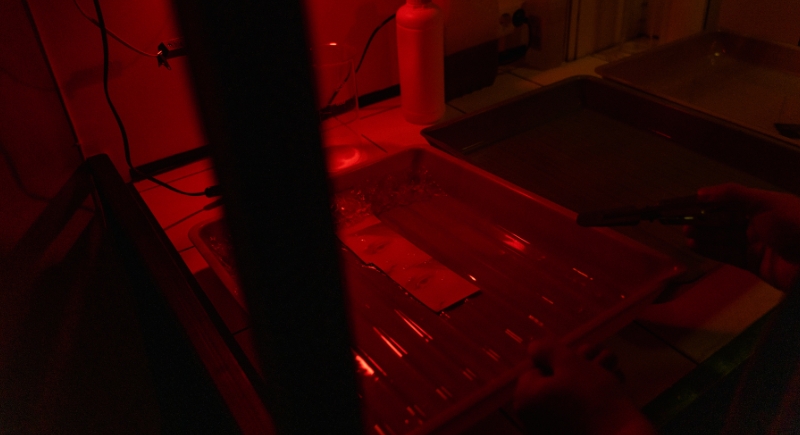
As far as the concept of photos went, you’d drop off a roll of film, wait a few days, then open a glossy envelope of surprises. Maybe someone blinked or the flash went wild. It didn’t matter; it still felt special. Friends huddled around to flip through the stack. There were no filters or retakes, either.
Going Online Meant Hearing the Dial-Up Sound
Credit: corelens
Connecting to the internet in the ’90s came with a symphony of beeps, whines, and clicks. Dial-up wasn’t fast, but it was exciting. Each session felt like logging into a whole other world. AOL chat rooms, message boards, and personal Geocities sites made the early internet feel homemade.
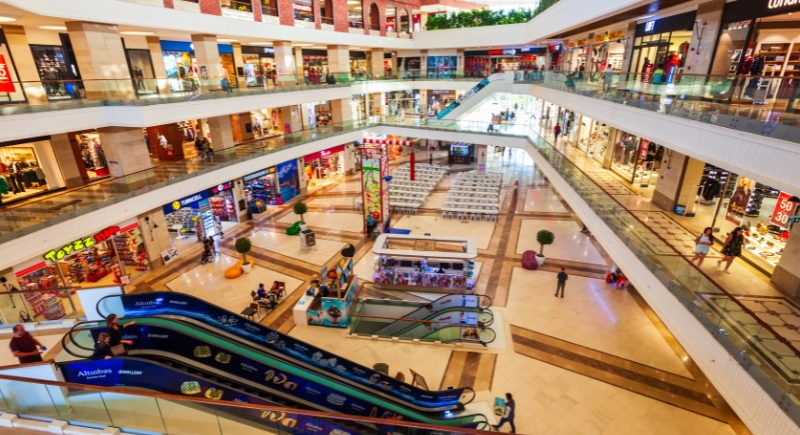
Malls Were Actual Hangout Spots
Credit: Canva
Malls were where people met up and actually spent time together. Teenagers made circuits between Sam Goody, Claire’s, and the food court. Without texts or tracking apps, meeting someone there required trust, a clock, and maybe a call from a payphone.
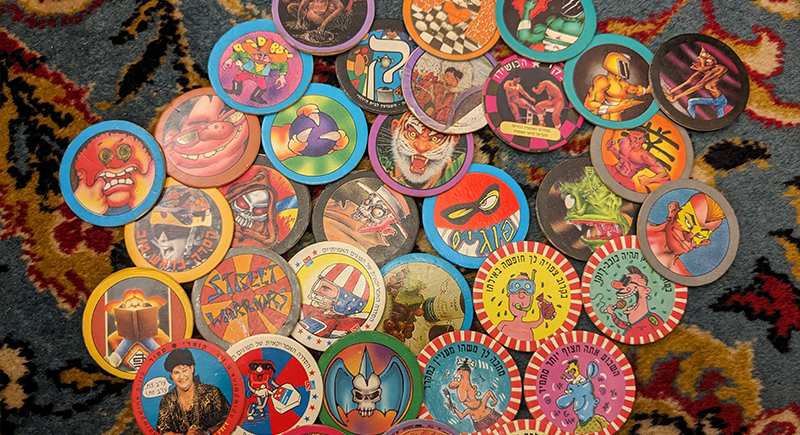
Kids Could Trade Pogs Like Currency
Credit: Wikimedia Commons
Pogs, those colorful cardboard discs, somehow took over playground economies. Kids traded them, stacked them, and flipped them with “slammers” as if their entire recess reputation depended on it.
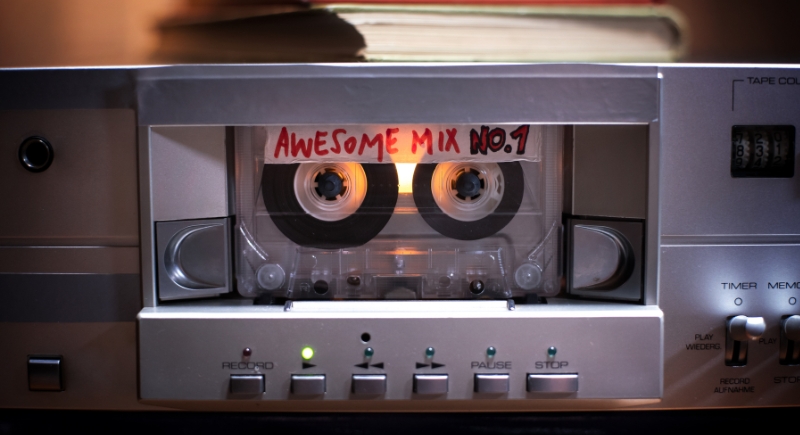
Mixtapes Took Effort and Meant Something
Credit: Getty Images
Making a mixtape wasn’t fast. It required real-time recording, careful song order planning, and maybe even handwriting a track list. Bonus points if the tape included a radio recording.
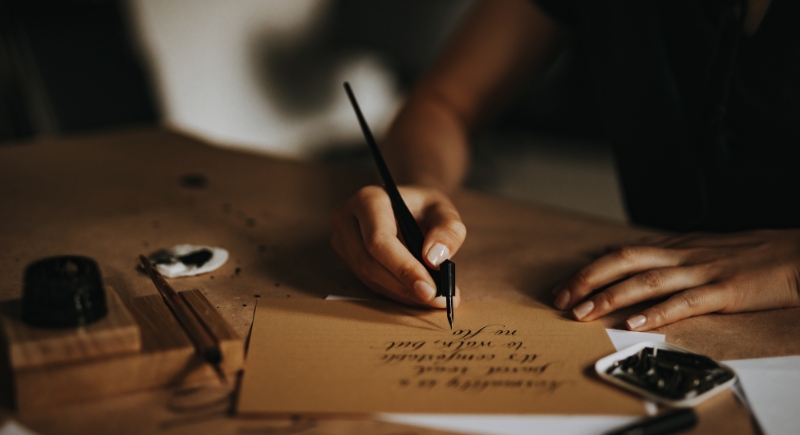
Letter Writing Was Still Alive and Personal
Credit: Getty Images
Email wasn’t universal yet, so people still wrote actual letters. Handwriting styles, doodles in the margins, and folded-up notes added something that text just doesn’t replicate, and the arrival of a letter in the mailbox felt like getting a tiny time capsule.
Magazines Were the Original Internet
Credit: pixabay
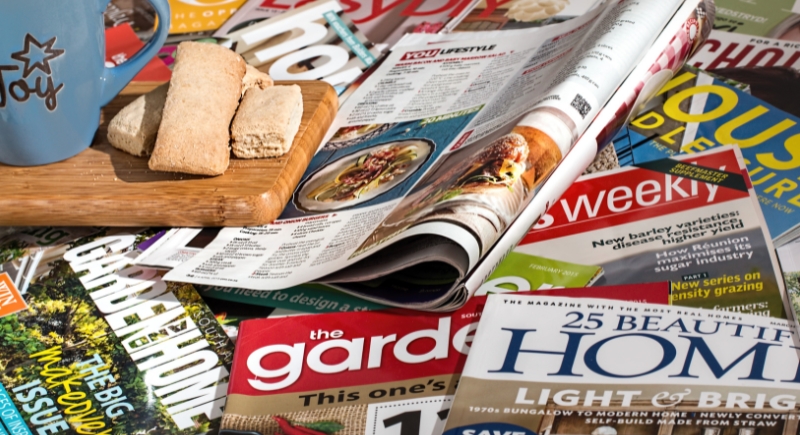
Want fashion tips? Guitar chords? Celebrity gossip? Magazines had it all, and each new issue was like a mini-event. The topics talked about were Seventeen, Guitar World, or Nintendo Power, and people dog-eared pages, taped photos to walls, and kept stacks under the bed.
Concerts Were for Watching, Not Recording
Credit: pexels
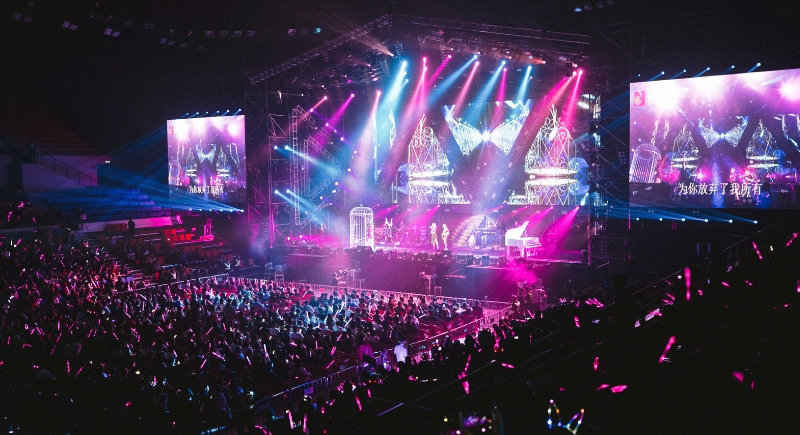
In the ’90s, people watched concerts with their eyes, not their phones. Lighters, not screens, lit up the crowd during slow songs. No one worried about getting the perfect angle or remembering to hit record. The grainy photos someone snapped on a disposable camera were more than enough.
Clothing Styles Had Zero Rules

Credit: Canva
Looking back, ’90s fashion was chaotic, but proudly so. Style didn’t rely on influencers or trend algorithms. People wore what they liked, even if that meant a spaghetti-strap dress over a white t-shirt and a choker necklace from the mall.
TV Had Better Representation Across the Board

Credit: Youtube
Shows like Living Single, Martin, The Fresh Prince of Bel-Air, and In Living Color brought diverse stories to primetime. Black characters weren’t sidekicks or token friends; they were leads, creators, and cultural trendsetters who helped shape a broader, more inclusive television era.
People Hung Out Just to Hang Out
Credit: Canva
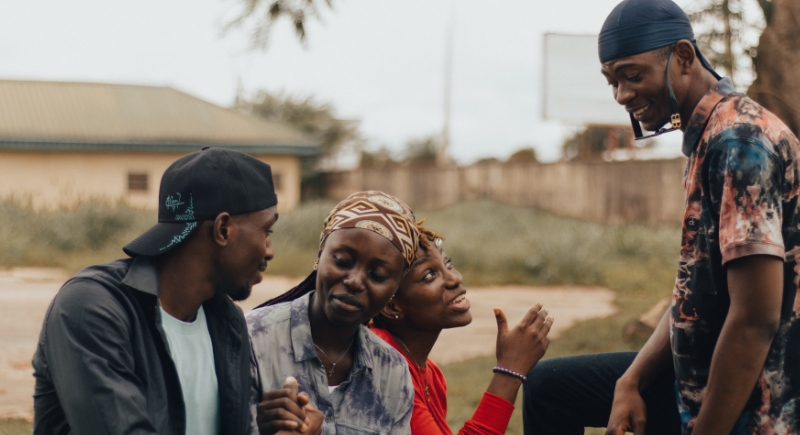
There didn’t need to be a plan. Friends just showed up, maybe knocked on the door or waited outside honking. People spent afternoons doing “nothing,” eating snacks, talking, or flipping channels. It was just what people did, and somehow, that was more than enough.