9 Things You Should Never Return to Costco (It’s Just Rude)
Costco has one of the most forgiving return policies in modern retail. That flexibility is the point—and also the problem. The line between “allowed” and “awkward” isn’t written on a sign above the returns counter, but most shoppers instinctively know when something crosses it. Costco may not technically forbid these items, but they make the transaction uncomfortable for everyone involved and test the limits of courtesy.
Mattresses That Are Long Past Their Prime
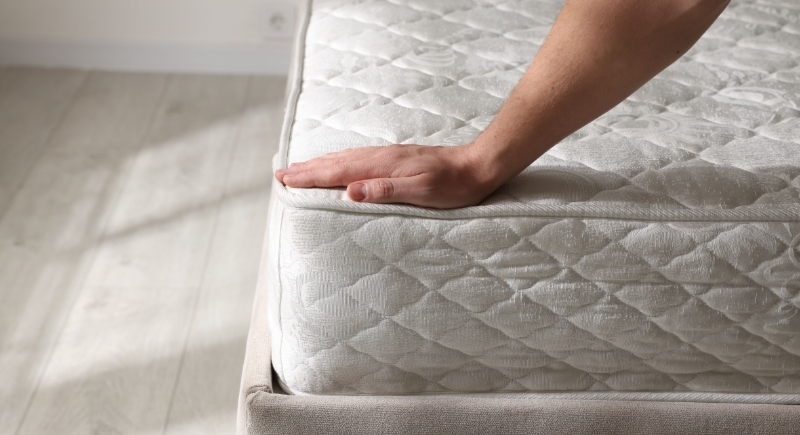
Image via Canva/Africa images
A mattress that didn’t work out after a short trial is one thing. A mattress that shows years of use is another entirely. When a mattress comes back visibly worn, flattened, or stained, the issue is no longer comfort or quality. It has already delivered its value. At that point, the return counter is being asked to handle something closer to waste than merchandise.
Leftover Prepared Foods
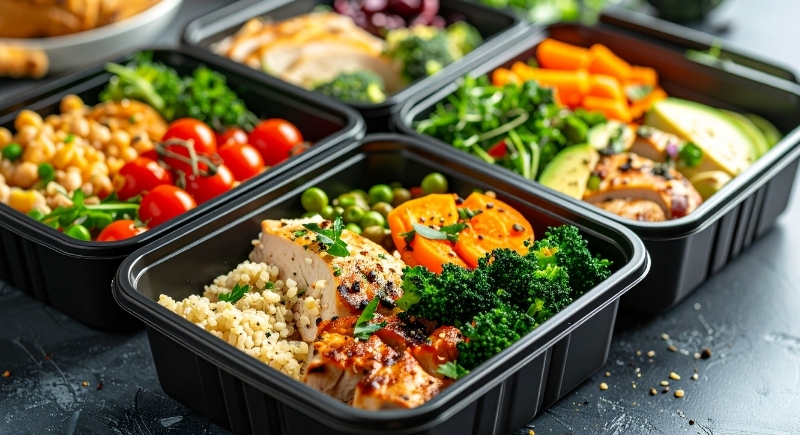
Image via Canva/TrueCreatives
Returning trays, salads, or hot items after an event shifts responsibility for unused food onto the store. Prepared foods are meant to be eaten, not reconsidered afterward. Once food has been served and partially consumed, there’s no practical way to treat it as a retail problem, even if the policy technically allows a refund.
Plants That Died at Home
Plants require care, and their condition usually reflects how they were treated. When a plant comes back dried out or wilted long after purchase, it’s rarely a mystery what happened. Returning it implies the store should absorb the outcome of neglect or poor placement.
Clothing With Clear Signs of Wear
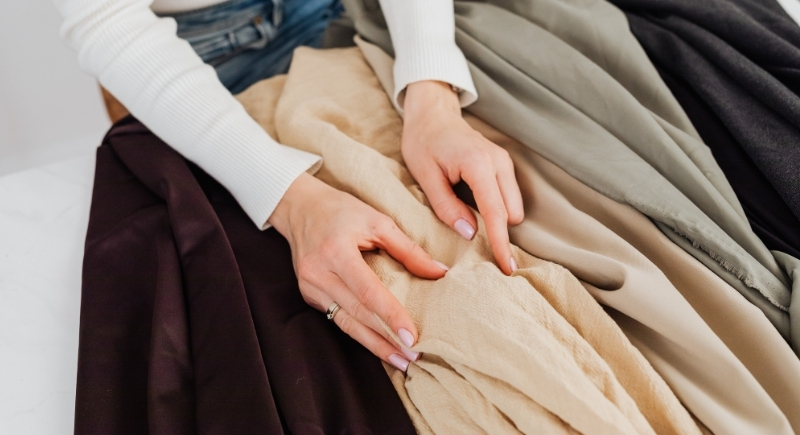
Image via pexels/Karola G
Trying on clothes is expected. Living in them is different. When clothing is returned stretched, faded, or obviously worn over time, the transaction stops being about fit or comfort. The item has already been used as intended.
Electronics That Worked Just Fine
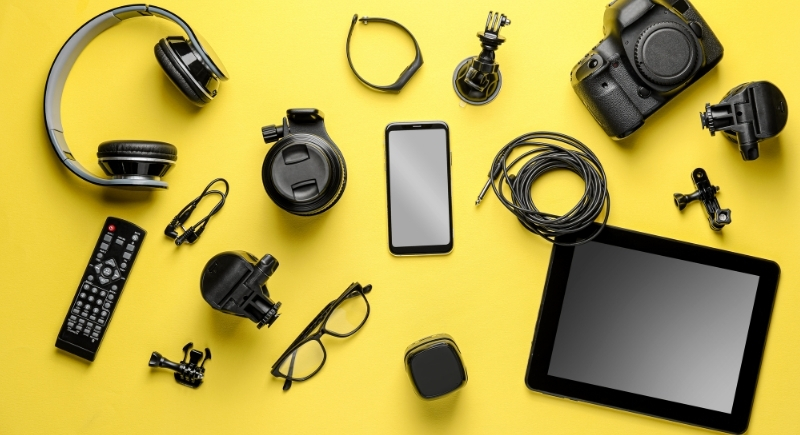
Image via Canva/pixelshot
Electronics returned after months of normal use, especially around upgrade cycles, often raise eyebrows. When a device functions properly and shows signs of regular use, dissatisfaction becomes hard to distinguish from timing. While the policy may allow it, this kind of return relies heavily on technicalities rather than fairness.
Seasonal Decorations After the Season
Holiday décor has a narrow window. Returning trees, lights, or decorations once the season has passed suggests the item did exactly what it was bought to do. Nothing about the product changed—only the calendar did.
Opened Personal Care Products
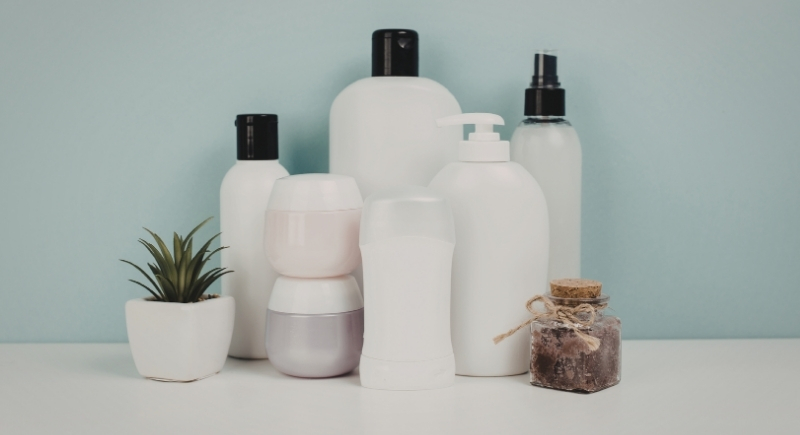
Image via Canva/Stefanut Sava’s Images
Personal care items are difficult to handle once opened. Even if someone dislikes a scent or texture, opened soaps, skincare, or supplements can’t be resold or repurposed. Returning them shifts the burden of disposal to store employees, which is why these items often lead to uncomfortable exchanges at the counter.
Furniture Used for Years
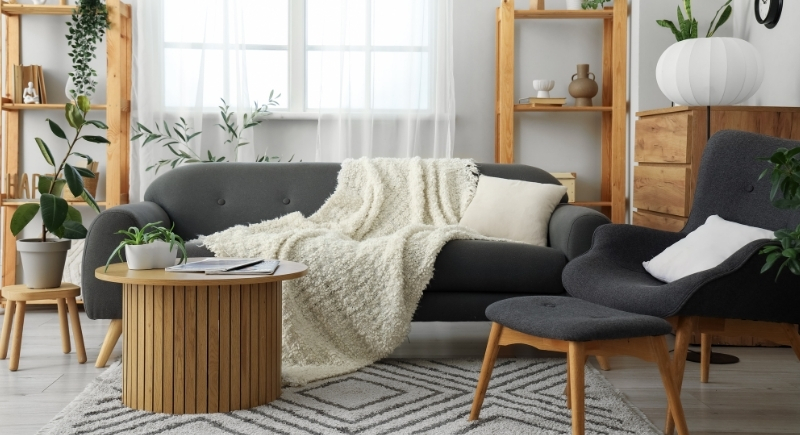
Image via Canva/pixelshot
Furniture tells time. Cushions sag, fabric wears, and materials age. When couches or chairs come back after years of use, the return no longer reflects dissatisfaction with quality. The furniture served its role. Asking for a refund later reframes normal wear as a flaw.
Alcohol Returned After Consumption
In locations where alcohol returns are permitted, bringing back a bottle because it wasn’t enjoyable—especially after most of it is gone—creates an awkward situation. Taste preferences aren’t defects, and nearly finishing a product before deciding against it stretches the idea of a return beyond its reasonable intent.