9 Things You Should Never Put in the Microwave (That Most People Do)
A microwave turns leftovers hot in seconds and handles everything from late-night snacks to quick lunches between meetings. The convenience explains why the appliance is in nearly every American kitchen.
But fast heating comes with trade-offs. Certain foods trap steam until they burst, and some containers react to microwave energy, creating sparks. A few items even release fumes or chemicals when heated. Many of the biggest microwave mistakes involve items people heat all the time.
Hard-Boiled Eggs
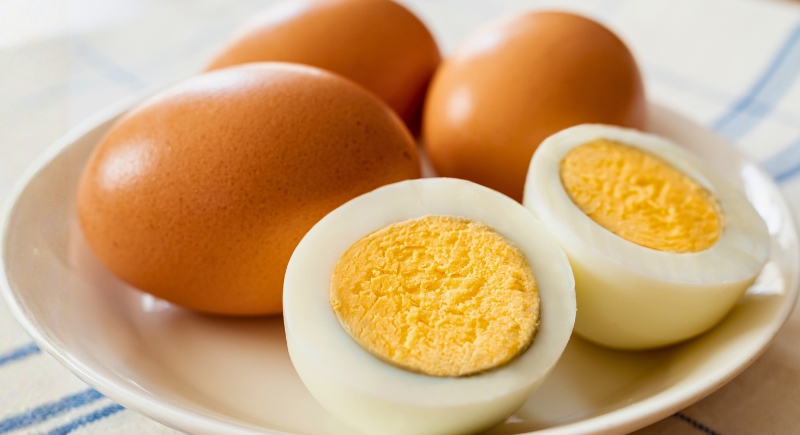
Image via Getty Images/kaorinne
Hard-boiled eggs seem like an easy reheating shortcut, but the problem lies in how microwaves heat the dense egg white. Steam builds inside the egg as the temperature rises, and since the egg white traps that steam, pressure continues to grow. Everything looks fine until the egg is cut or bitten into. At that moment, the steam releases instantly, sending pieces of egg outward and sometimes causing burns. Slicing the egg before heating or placing it in hot water for a few minutes is a safer way to warm it.
Chili Peppers
Chili peppers contain capsaicin, the compound responsible for their heat. Microwaving peppers causes that compound to vaporize inside the appliance. Opening the door releases the vapor into the air, and the fumes can irritate the eyes, nose, throat, and lungs. People often compare the sensation to pepper spray because the compound becomes airborne in the enclosed space.
Processed Meats

Image via Pixabay/artubal
Hot dogs, bacon, sausages, and deli meats are often put in the microwave because they cook quickly. But research has raised concerns about what happens during that rapid heating process. Studies show microwave heating can produce compounds known as cholesterol oxidation products. Scientists link these compounds to inflammation and heart disease risk. Oven baking or stovetop cooking allows slower, more controlled heating that reduces the formation of those compounds.
Tomato Sauce
A bowl of tomato sauce in the microwave almost always creates a cleaning job. The thick sauces trap steam beneath the surface, and heat builds until the pressure pushes upward, sending bursts of sauce across the microwave interior. Sometimes the sauce erupts when someone stirs the bowl. Heating sauce in a small pan keeps the temperature steady and prevents splatter.
Plain Water
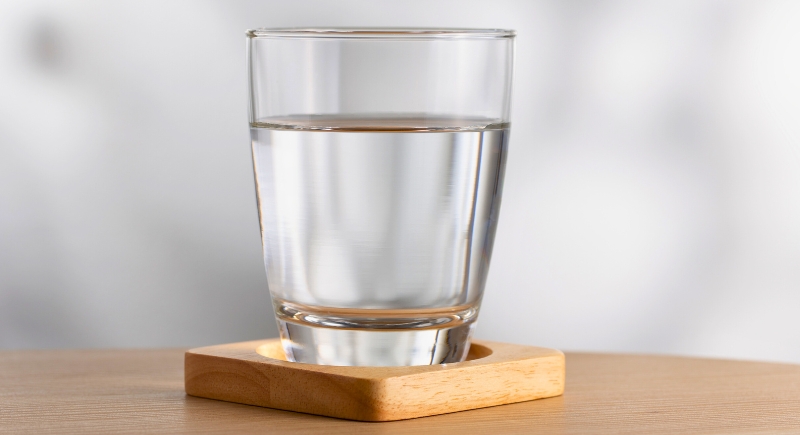
Image via Tharakorn arunothai/eddows
Microwaving a mug of water for tea may seem harmless, but the physics behind it can cause trouble. The liquid rises above its boiling point without visible bubbles. The moment a spoon or a tea bag touches the surface, the water may suddenly erupt. Using a kettle or heating water on the stove prevents this unstable condition.
Baby Formula Or Breast Milk
Microwaves heat liquids unevenly and create hot spots in bottles of milk or formula. A bottle may feel warm on the outside while sections of the liquid remain extremely hot. Babies can burn their mouths before anyone realizes the temperature difference. Placing the bottle in warm water or using a bottle warmer yields safer results and preserves the milk’s nutrients.
Styrofoam Containers
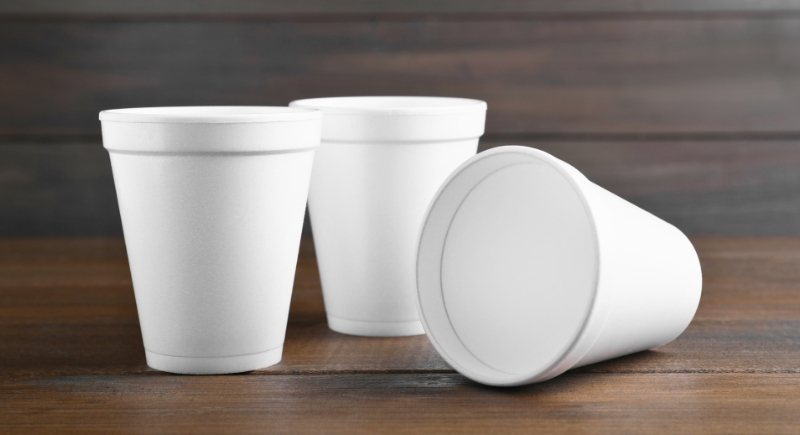
Image via Canva/Africa Images
Takeout leftovers often arrive in polystyrene foam containers, widely known as Styrofoam. When exposed to microwave heat, the material can melt or warp. The process may release chemicals into food at the same time. Some containers even soften enough that hot food pushes through the bottom.
Takeout Boxes With Metal Handles
Chinese takeout boxes look microwave-friendly, but the thin metal handle tells a different story. Metal reflects microwave energy rather than absorbing it. The reflection can produce sparks inside the appliance and potentially start a fire. Removing food from the container before reheating prevents that risk.
An Empty Microwave
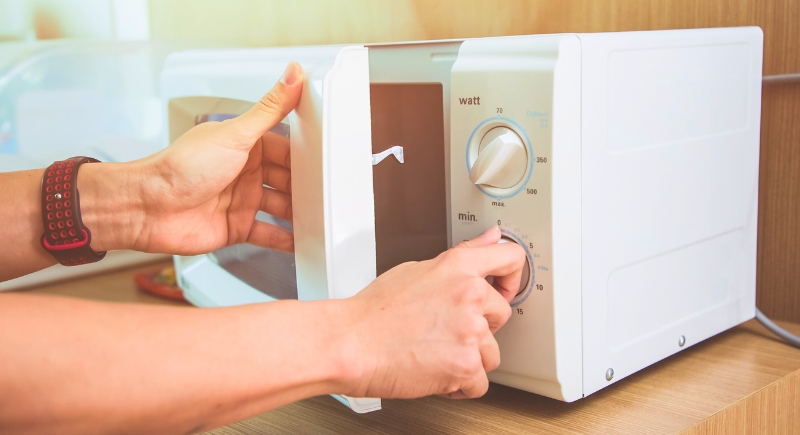
Image via Getty Images/Jay_Zynism
Starting a microwave without food inside may damage the appliance itself. Microwave ovens generate energy waves designed to be absorbed by food. With nothing inside, those waves bounce around the interior and return to the magnetron, the component that produces the energy. Repeated exposure can damage the magnetron and lead to expensive repairs. A glance inside the microwave before pressing start keeps the appliance working the way it should.