9 Things to Know About the Ohio Grove Saving Rare Apples
An Ohio orchard holds decades of work and hundreds of rare apple trees, but its future is uncertain. The people behind it are trying to protect a unique collection that may have to be moved or lost. As pressure builds, the situation shows how easily rare apple varieties can disappear if they are not preserved in time.
A Global Apple Origin Story Starts in Central Asia
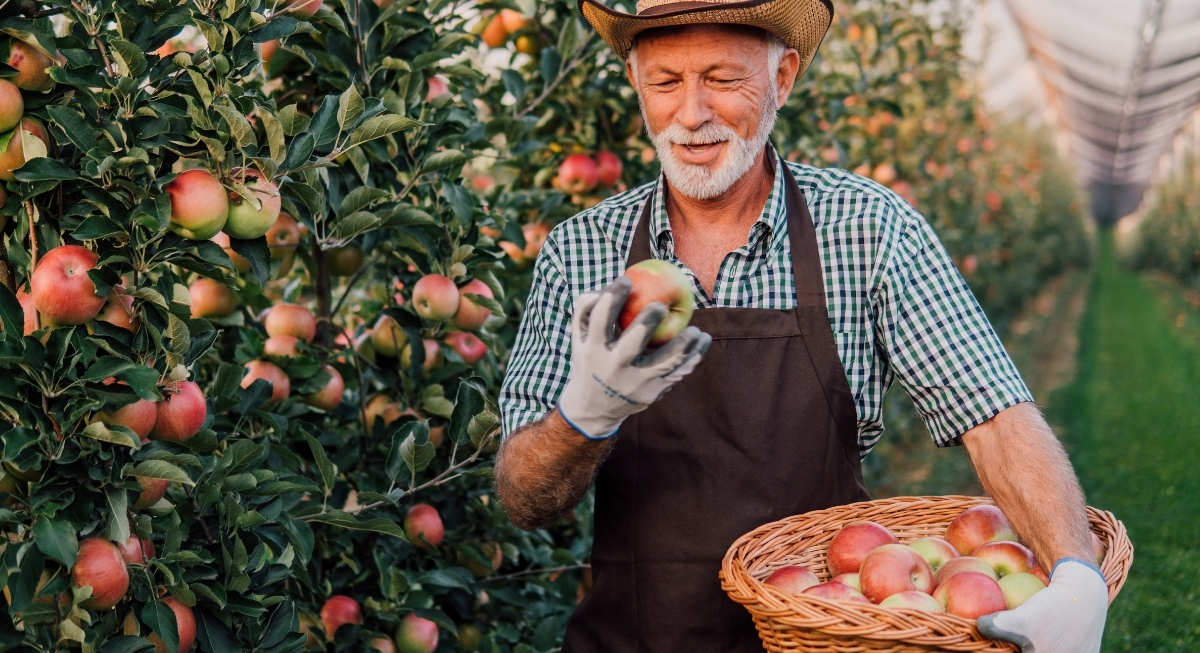
Image via Getty Images/RgStudio
In 2004 and 2005, fruit specialist Dr. Diane Miller traveled to Kazakhstan and Kyrgyzstan, regions widely considered the birthplaces of apples. She collected seeds from wild apple trees that had survived centuries of pests, disease, and climate change. Those seeds carried genetic traits that modern apple farming had slowly lost.
Ohio Became Home to Thousands of Experimental Trees
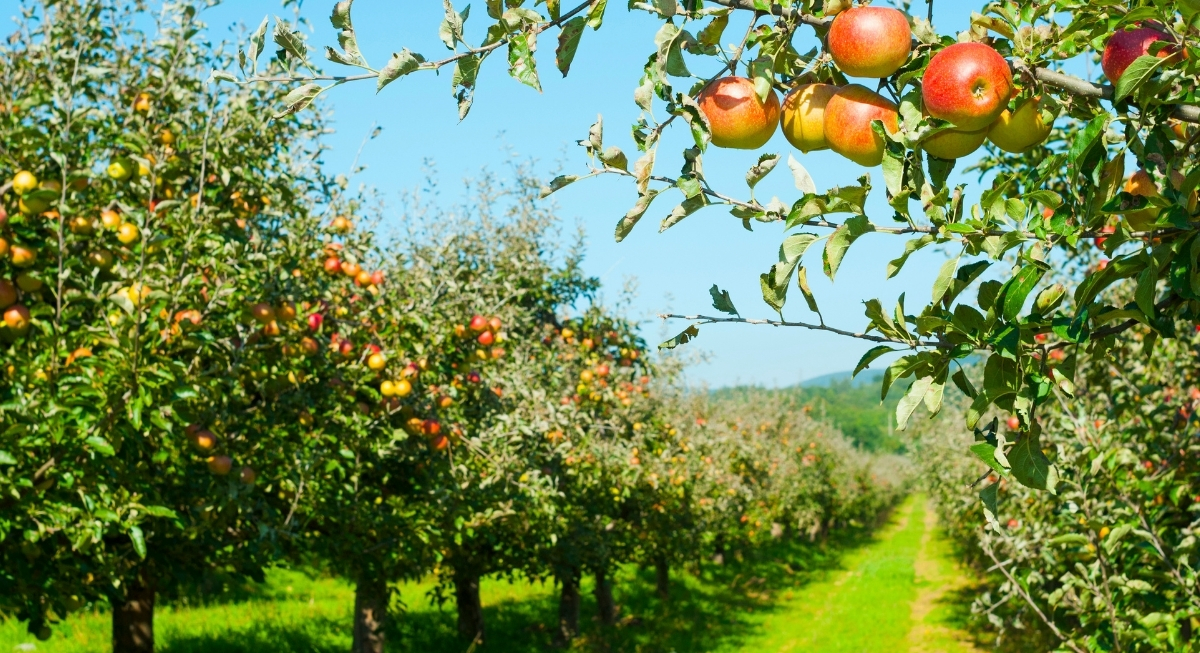
Image via Getty Images/S847
By 2007, researchers at The Dawes Arboretum in Newark, Ohio, planted those seeds. Over time, the project expanded into a 15-acre research grove with about 800 trees. It became a living library where researchers could study traits that don’t occur in most commercial orchards.
These Wild Apples Carry Built-In Defense Systems
The Central Asian trees offer something modern apples lack: natural resistance. Over millions of years, they adapted to threats without chemical help. Researchers believe those traits could reduce the need for weekly pesticide spraying.
The Flavor Potential Goes Beyond What’s on Shelves
Image via Canva/Africa images
These apples bring new flavors and higher levels of beneficial compounds. Breeders see an opportunity to combine that resilience with the crisp texture and sweetness people expect from popular varieties.
A Sudden Deadline Brought Changes
In December 2025, Dawes Arboretum leadership told researchers the grove had to be removed. The initial deadline was March 2026, later extended to March 2027. The decision was tied to shifting priorities, concerns about invasive species, and the lack of a formal agreement governing the project.
Two Sides See the Same Grove Very Differently
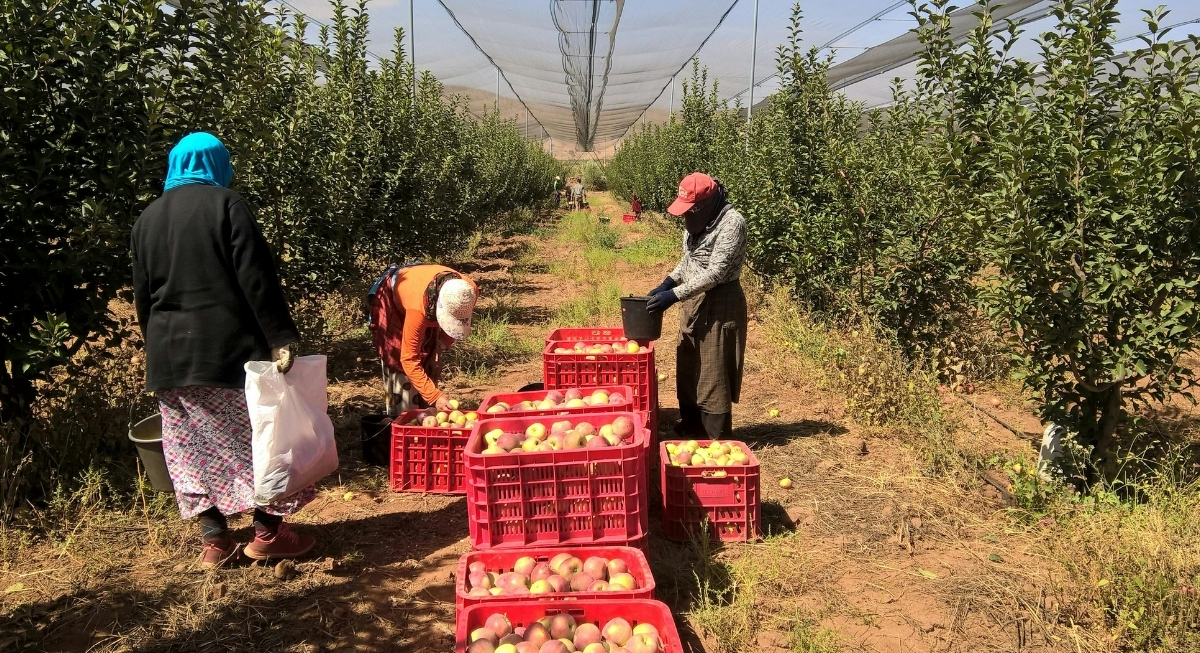
Image via Pexels/JAMAL Tamouajat
Arboretum officials say parts of the site were left unmanaged, which allowed invasive plants to spread and threaten nearby collections. Advocates push back, arguing that those concerns were never clearly raised before. They believe the focus on weeds overlooks a much bigger loss: a rare genetic resource that took more than two decades to build.
Losing the Grove Could Set Research Back 20 Years
Experts warn that dismantling the collection would erase years of careful breeding and observation. Plant breeding is slow. Mature trees reveal traits over time, and once they’re gone, that data disappears with them. Rebuilding something similar could take decades, assuming the same genetic diversity can even be gathered again.
Saving the Trees Isn’t as Simple as Moving Them
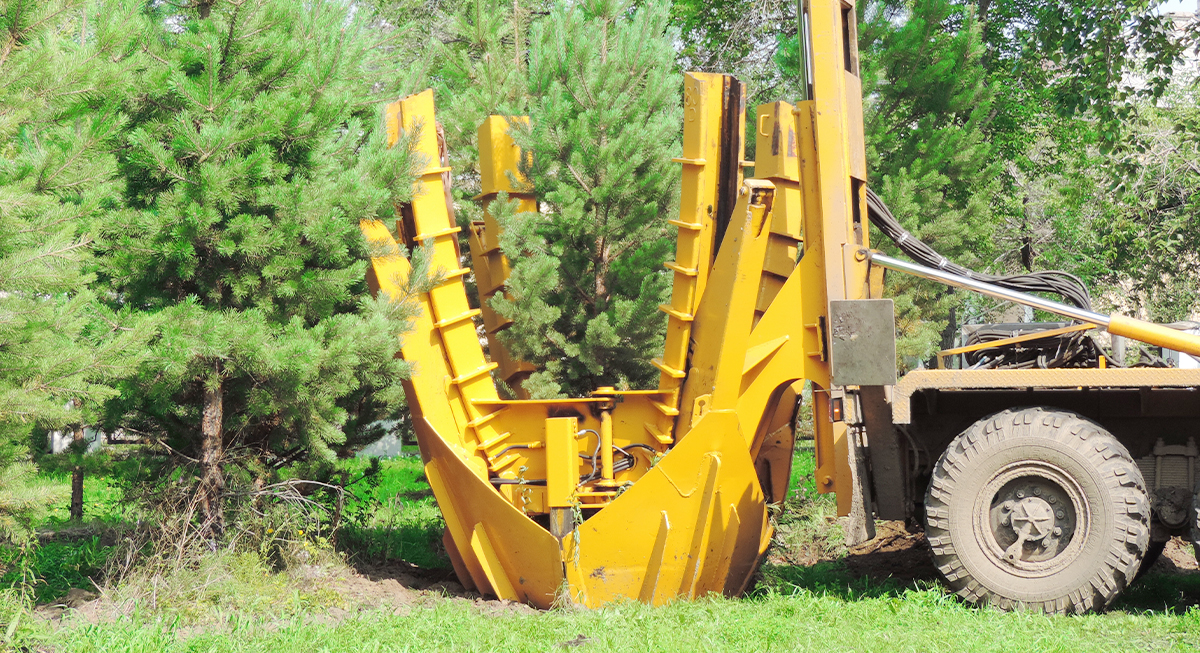
Image via iStockphoto/Elena Kurkutova
Relocating the entire grove isn’t realistic. Instead, researchers are racing to collect scionwood and budwood, which can be grafted onto new rootstock. It’s a partial solution, as cloned trees won’t grow on their original roots, limiting how well scientists can study their full potential.
The Clock Is Ticking on a Rare Opportunity
Teams are now searching for new locations to host the trees while gathering what they can before the 2027 deadline. Some trees may stay at Dawes, but only a small fraction. For many involved, the bigger concern is losing a chance to rethink how apples are grown before the industry faces a problem it can’t easily fix.