9 Secrets of the IKEA “As-Is” Section
IKEA handles returns, discontinued items, and showroom displays continuously. Rather than discarding these items, the company routes them through the As-Is section, which operates under a separate pricing and inventory system.
This area follows different rules from the rest of the store, including faster turnover, limited warranties, and pricing that changes quickly. Many shoppers pass through without realizing how structured the process actually is, or how much timing matters compared to posted prices. Understanding how the As-Is section works can help shoppers make more informed decisions and spot worthwhile opportunities before items disappear.
It Is a Clearance System, Not a Junk Pile
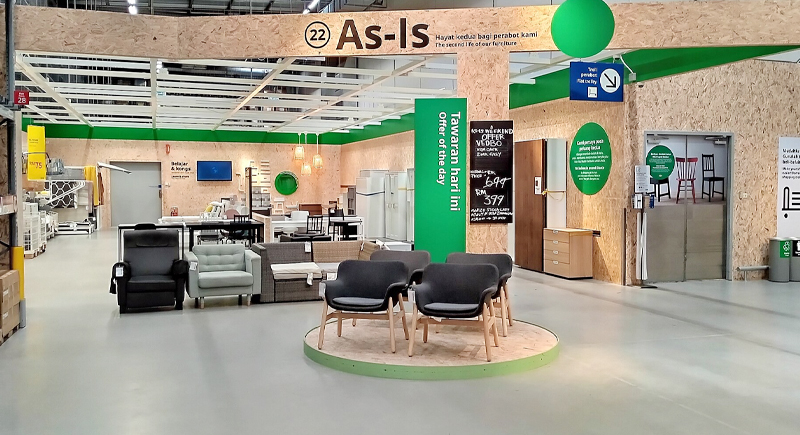
Image via Wikimedia Commons/Wiki Farazi
The As-Is section exists because IKEA constantly retires products, refreshes displays, and processes customer returns. Floor models, discontinued lines, seasonal leftovers, and lightly damaged items are placed here instead of heading to waste streams. Stores then price these pieces to move quickly, with markdowns commonly between 30 percent and 60 percent off retail.
Inventory Resets After Weekends
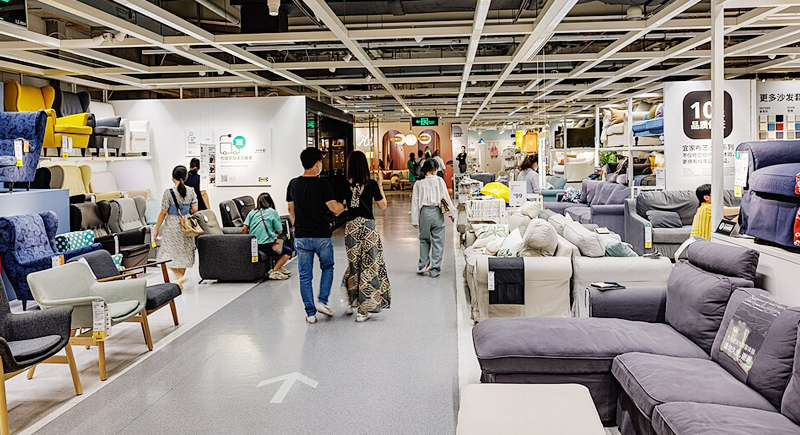
Image via Wikimedia Commons/Dinkun Chen
Returns peak over Saturdays and Sundays, then filters through staff inspections. This is vital because stores typically update As-Is stock early in the week, which makes Monday and Tuesday afternoons the most reliable window to see fresh inventory. Experienced shoppers plan visits around that routine.
Every Store Runs Its Own Version
No two IKEA locations share the same As-Is lineup. Each store handles returns, floor samples, and discontinued stock locally. That means pricing, selection, and volume change by location. A chair marked down heavily in one city may never appear in another, even during the same week.
Cosmetic Damage Drives the Best Deals
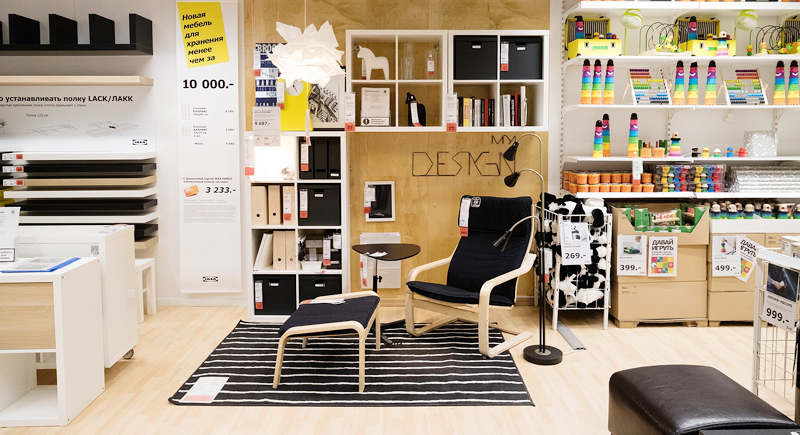
Image via Wikimedia Commons/Vyacheslav Argenberg
Scratches, scuffs, or small dents trigger markdowns, even when the structure is solid. As-Is pricing focuses on resale condition. The bias favors shoppers who separate surface flaws from stability, so tables, cabinets, and shelving often remain fully usable despite minor wear.
Raw And Modular Pieces Stretch Further
Items built with simple forms or unfinished surfaces tend to age well in As-Is. Pine cabinets, plain countertops, and modular shelving retain their value because buyers can easily sand, paint, or repurpose them. These pieces rarely depend on pristine finishes to work well in a space.
Online Browsing Changed the Game

Image via iStockphoto/Empato
Select markets now allow shoppers to browse As-Is inventory online tied to a specific store. Items are local and require in-store pickup, usually within a 48-hour reservation window, and access requires a free IKEA Family membership. Inventory still changes fast, but browsing online saves unnecessary trips.
The Price Tag Carries Warnings And Limits
As-Is tags list damage notes, missing parts, and final-sale status. Returns are usually off the table, even if issues surface later. Staff inspect items before pricing, but buyers carry responsibility after purchase. Reading tags closely prevents surprises at checkout or during assembly.
Spare Parts Are Outside The Section
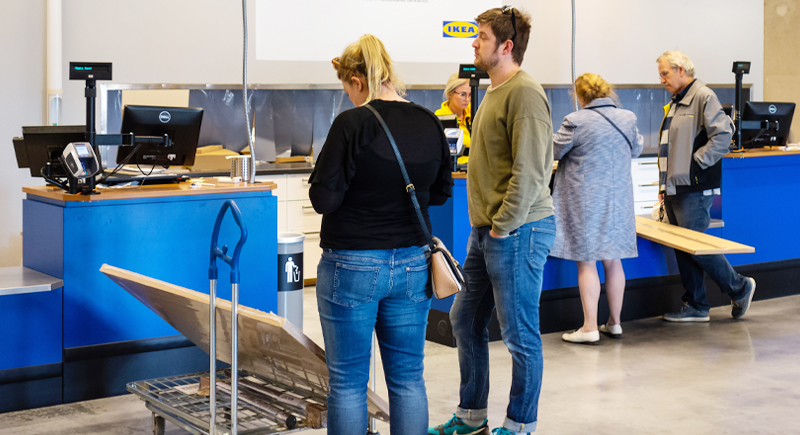
Image via Wikimedia Commons/W.carter
Missing screws or brackets often scare shoppers away from As-Is finds, so IKEA quietly solves that problem elsewhere. Customer service desks stock spare hardware for most products at no cost, and staff match parts by item number.
Timing Beats Treasure Hunting
The As-Is section rewards shoppers who arrive ready. Knowing dimensions, transport limits, and repair comfort makes decisions faster. Inventory changes constantly, but the system is predictable, so understanding how it works removes the chaos and replaces it with confidence.