9 Reasons Why Costco Is the New Leader in Low-Cost Groceries
Bulk shopping has traditionally involved trade-offs: paying a membership fee, buying in large quantities, and relying on long-term savings to justify the cost. Recent data suggests that equation has shifted—and Costco is leading the shift.
A February 2, 2026, report from Consumer Reports found that Costco now consistently underprices traditional discount grocers. The warehouse model, built on large quantities and in-store samples, has become one of the most cost-effective ways to shop.
The Price Gap Isn’t Small
Image via Getty Images/Pgiam
Consumer Reports compared grocery prices across six major regions in the United States in late summer 2025. The result showed Costco was 21.4 percent cheaper than Walmart on average for comparable items. This puts it ahead of names people usually associate with low prices, including Aldi and Lidl.
Pricing Codes Say More
A quick glance at the price tag can reveal more than the price itself. Items ending in .97 or .98 signal markdowns. Prices ending in .00 or .88 often point to manager-driven discounts to clear stock. These patterns help regular shoppers time purchases and stretch savings further.
Seasonal Cycles Reward Patience
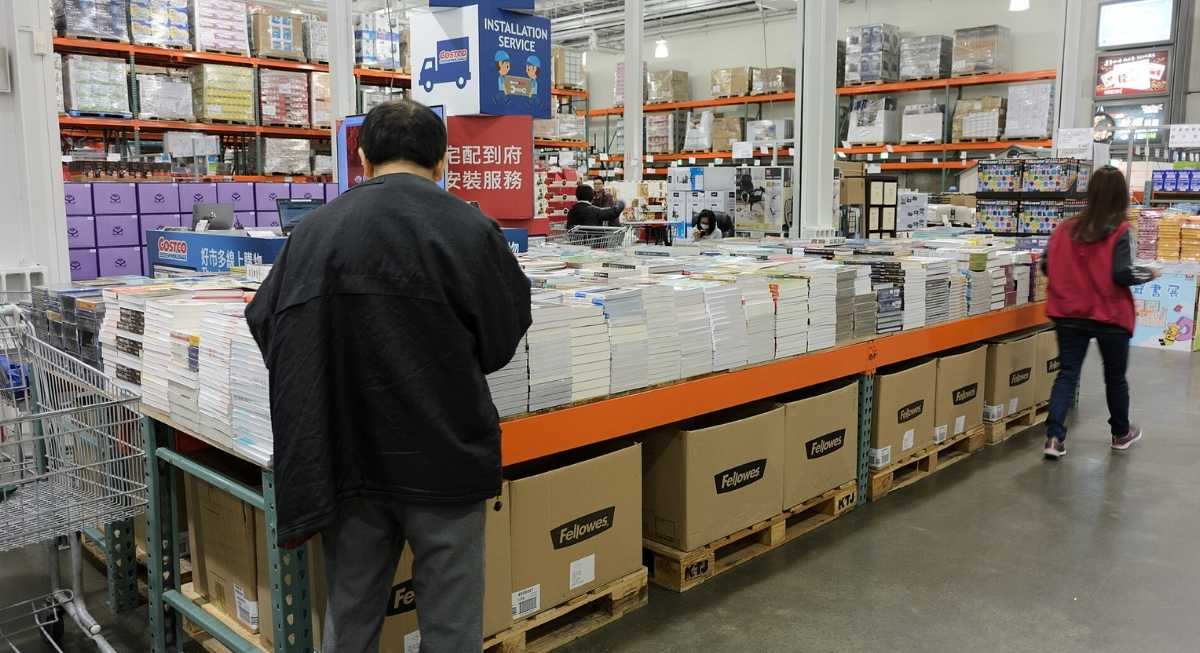
Image via Wikimedia Commons/玄史生
Costco doesn’t run traditional weekly sales, but it follows predictable cycles. Certain items drop in price during specific months, like back-to-school snacks in August or diaper discounts every few months. Shoppers who track these patterns know when to stock up and when to wait.
The “Asterisk Effect” Drives Urgency
One small asterisk on a price tag signals that an item is being discontinued. With limited shelf space and constant rotation, products are quickly rotated out to make room for new ones. Regular shoppers know that hesitation can mean missing out, which speeds up buying decisions.
Membership Fees Actually Work in Your Favor

Image via Getty Images/KLH49
The idea of paying $65 a year might sound like a barrier. In practice, it often pays for itself. Between lower grocery prices and access to deals on essentials, frequent shoppers recoup that cost quickly. Some even upgrade memberships to earn rewards on spending across categories beyond food.
Discounts Go Beyond Groceries
Costco’s pricing advantage doesn’t stop at the aisles. Optical services, prescriptions, and even tires come at lower rates. For example, a pair of eyeglasses priced near $400 at a typical store dropped to about a third of that at Costco. This kind of pricing builds long-term loyalty beyond food shopping.
The Food Court Is a Strategic Move
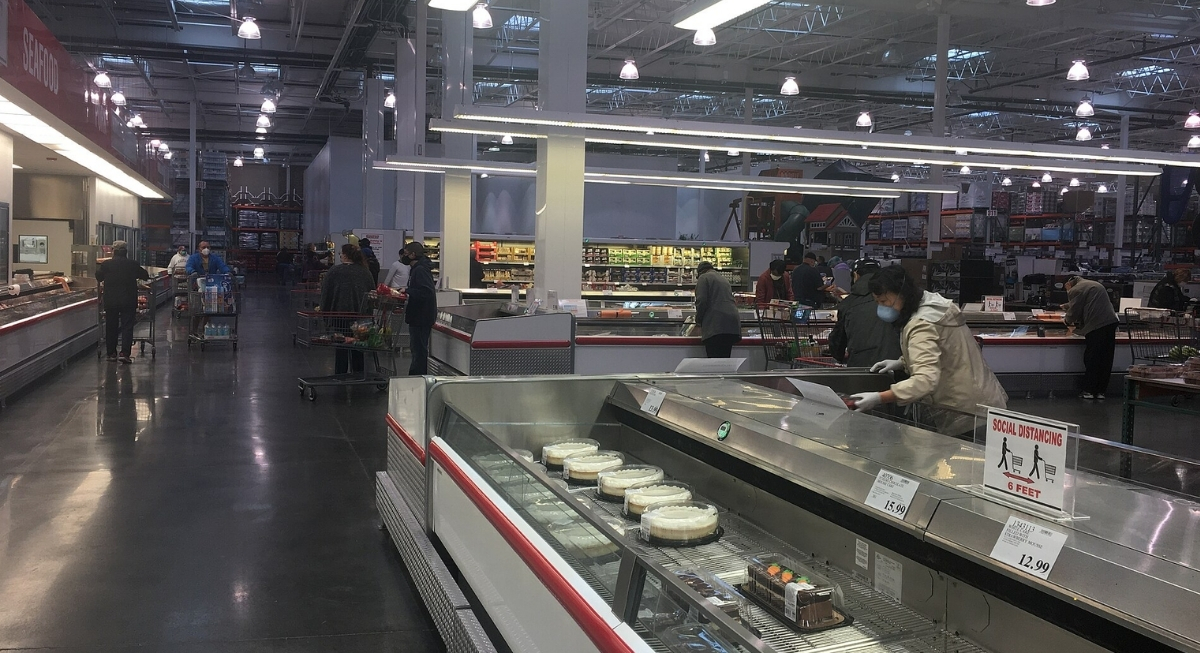
Image via Wikimedia Commons/Richard Arthur Norton
The $1.50 hot dog and soda combo has remained at that price since 1985. This consistency draws shoppers in and keeps the brand tied to value. There are also $9.99 pizzas and freshly prepared food made daily.
Inventory Changes Keep Things Competitive
Around 40 percent of products vary by region, which keeps items fresh and relevant. Local sourcing allows stores to adapt to demand while keeping costs in check. It also explains why the layout changes often. New items come in, older ones move out, and the mix remains dynamic.
Generous Policies Remove Risk
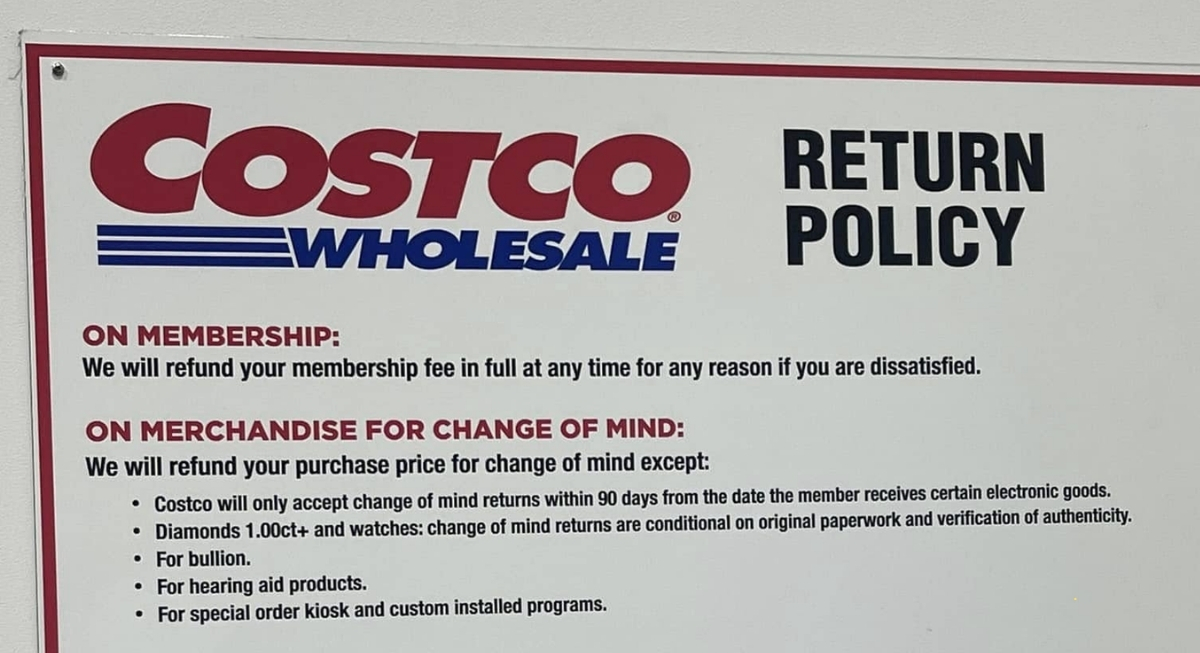
Image via Facebook/Vincent Su
Costco’s return policy adds another layer of confidence. Shoppers can request a price adjustment within 30 days if an item drops in price. Returns are handled with flexibility, and purchase history is tracked for years. This reduces hesitation when buying in bulk.