9 Foods That Are Banned in Europe But Legal in the US
Grocery shelves in the United States have thousands of snacks, drinks, and packaged meals that pass federal safety checks every year. But regulators across the Atlantic often evaluate those same ingredients through a different lens. European food laws tend to take a stricter approach to additives, preservatives, and agricultural chemicals. The difference means that certain foods sold in American supermarkets simply cannot enter the European market.
Chicken Treated With Chlorine Washes
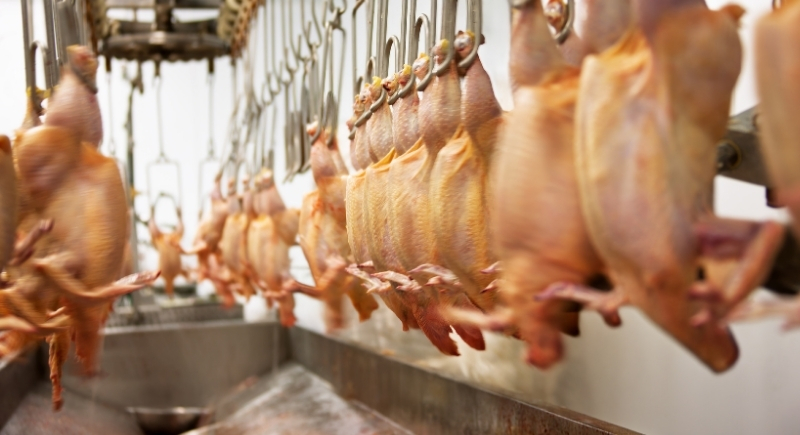
Image via Canva/poco_bw
American poultry producers often rinse raw chicken with antimicrobial solutions during processing. Chlorine-based washes help reduce bacteria, such as Salmonella, before the meat reaches stores. The European Union rejected this practice in 1997. Officials argued that food safety should be maintained throughout the production chain rather than corrected at the end with chemical rinses. As a result, chicken processed with chlorine solutions cannot be sold across EU markets.
Milk Produced With rBGH Hormone
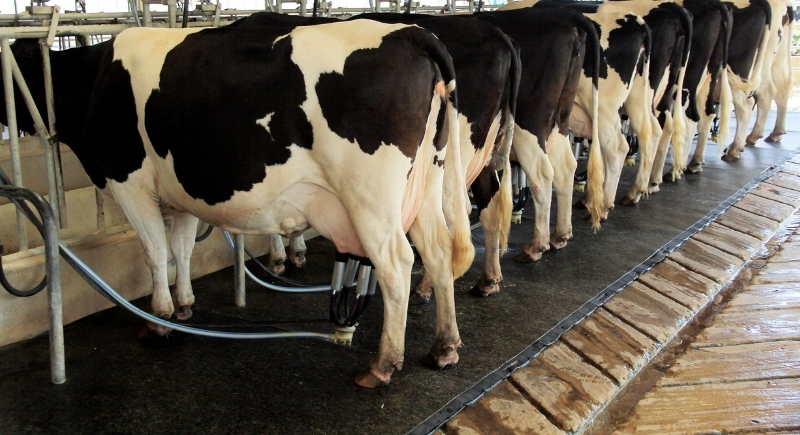
Image via Getty Images/Egasit_Mullakhut
Recombinant bovine growth hormone, often called rBGH or rBST, entered United States dairy farming after the Food and Drug Administration approved it in 1993. The synthetic hormone increases milk production in cows. The European Union banned rBGH use in 1999 after animal welfare concerns and questions about hormone levels in milk. Canada, Australia, and several other countries followed with similar policies.
Pork Raised With Ractopamine
American pork production often relies on ractopamine, a feed additive that promotes lean muscle growth in pigs. The compound speeds up weight gain and improves feed efficiency during the final weeks before slaughter. European regulators banned ractopamine decades ago because of concerns about animal health and potential residue in meat. More than 160 countries now restrict the additive. Pork raised with ractopamine remains legal in the United States but cannot enter European markets.
Apples Treated With Diphenylamine
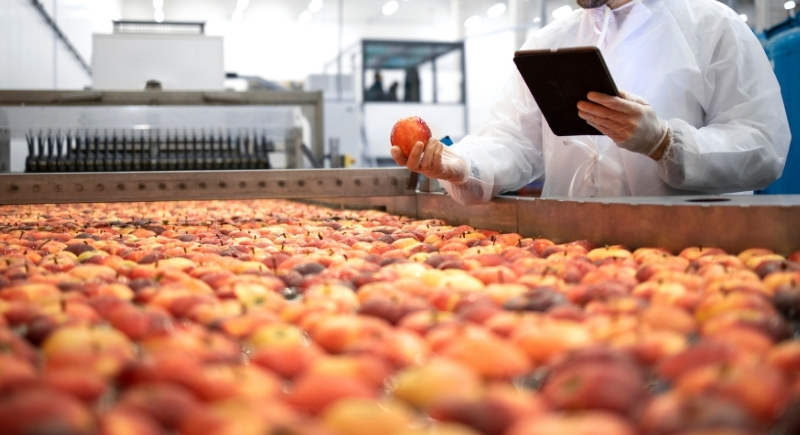
Image via Getty Images/Smederevac
Shiny apples on American grocery displays often owe their appearance to a chemical called diphenylamine, or DPA. Growers apply the compound after harvest to prevent brown blotches that develop during long storage periods. European food safety authorities banned DPA in 2014 after researchers found potentially harmful residues forming when the chemical breaks down.
Genetically Engineered Hawaiian Papaya
The ringspot virus nearly wiped out Hawaii’s papaya industry during the 1990s. Scientists responded by creating a genetically engineered papaya resistant to the disease, which allowed farmers to revive production. European regulators rejected the modified fruit under strict rules governing genetically engineered crops. Since the papaya carries inserted viral genes, the European Union prohibits its sale. American markets, however, widely accept the virus-resistant variety.
Beef Produced With Hormone Growth Implants
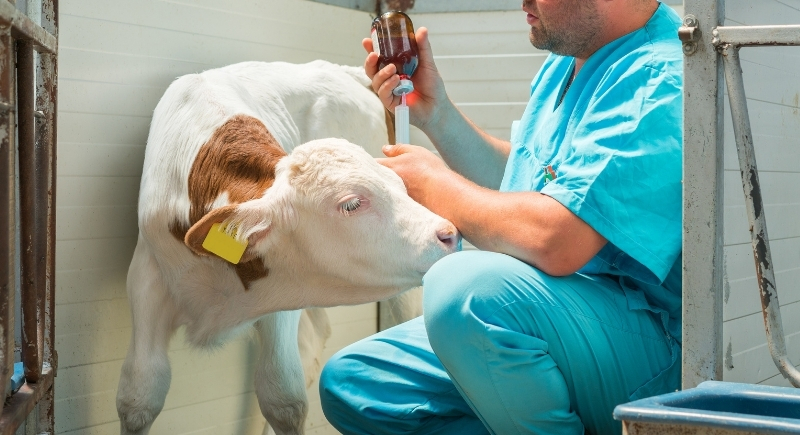
Image via Getty Images/mgstudyo
Cattle raised in the United States often receive hormone implants that speed growth and increase meat yield. These implants may contain synthetic or natural hormones such as estradiol or trenbolone acetate. The European Union banned hormone-treated beef imports in 1989 after studies raised concerns about long-term health effects. The decision created one of the most famous trade disputes between the United States and Europe.
Farmed Salmon
Farmed salmon sold in the United States often comes from intensive aquaculture operations. Fish raised in crowded pens sometimes receive antibiotics and chemical treatments to control disease and parasites. Several European regulators placed restrictions on farmed salmon containing certain chemical residues tied to aquaculture feed and treatments. The bans target salmon produced under conditions that allow contaminants, such as dioxins, to accumulate in the fish.
Processed Foods Using BVO
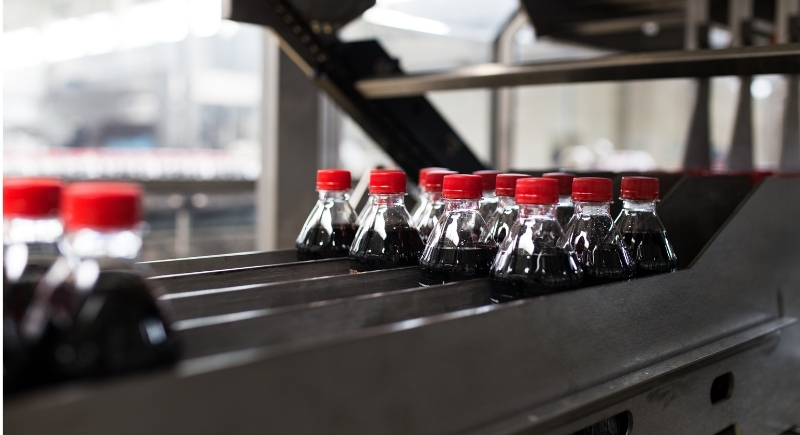
Image via Getty Images/DuxX
For decades, citrus-flavored sodas in the United States relied on brominated vegetable oil, or BVO, to keep flavoring oils evenly distributed in beverages. European regulators banned BVO from food products because bromine compounds can build up in the body and affect the nervous system. While American beverage companies began removing BVO from many drinks during the 2010s, products containing the additive remained legal in the United States for years after the European ban.
Bread Made With Azodicarbonamide
Industrial bread production sometimes uses azodicarbonamide as a dough conditioner. The compound improves texture and helps bread maintain structure during baking. European regulators prohibited azodicarbonamide in food after studies linked the chemical to respiratory issues in factory workers and raised concerns about breakdown compounds formed during baking.