9 Best Healthy Canned Foods Experts Always Keep in Their Pantry
A well-stocked pantry doesn’t have to lean on fresh produce alone. Many dietitians and chefs rely on canned staples because they stay shelf-ready, offer real nutritional value, and make everyday meals easier to pull together. The key is choosing the options that deliver nutrients without unnecessary extras.
The items below are the ones experts reach for most often.
Canned Beans
Beans deliver a powerful mix of plant-based protein, fiber, iron, magnesium, potassium, and folate. They support digestion, heart health, and satiety, while fitting easily into salads, soups, tacos, and grain bowls. Draining and rinsing can reduce sodium by up to 40 percent, which makes them an easy daily staple.
Canned Tomatoes
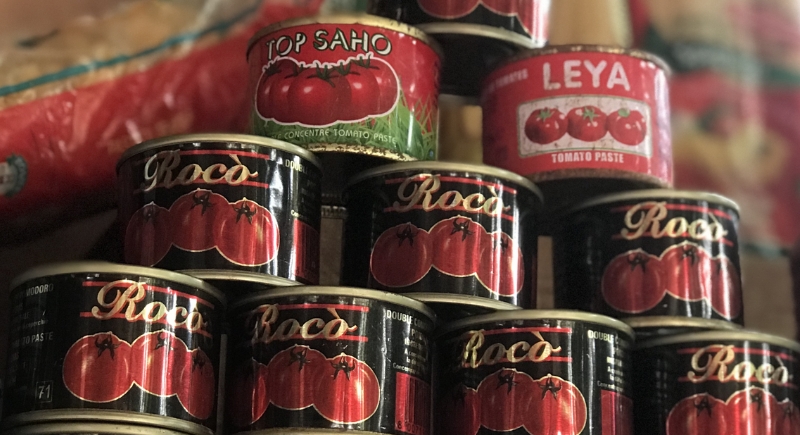
Image via Wikimedia Commons/Edithobayaa1
Canned tomatoes may actually be healthier than fresh ones. The heat used during canning increases lycopene availability, an antioxidant linked to heart protection and reduced inflammation. They also supply vitamin C, potassium, and magnesium.
Canned Pumpkin
One cup of canned pumpkin provides about 7 grams of fiber and over 200 percent of the daily value of vitamin A. It also contains potassium, iron, vitamin C, and vitamin E. Choosing unsweetened versions allows it to work in smoothies, soups, baked goods, and even savory dishes.
Canned Green Beans
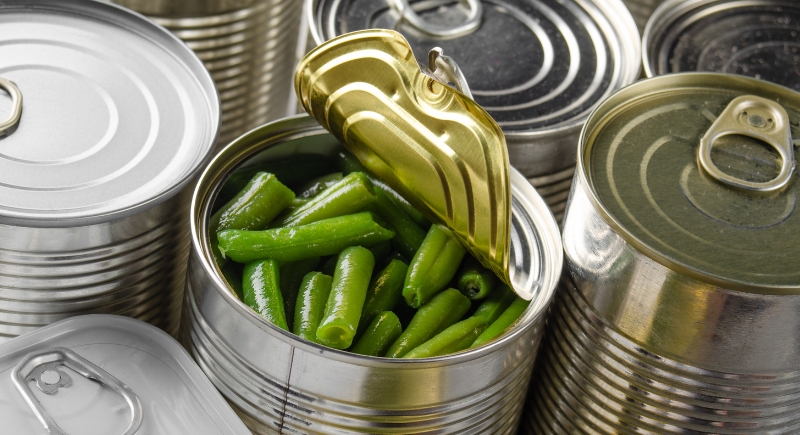
Image via Getty Images/OlenaMykhaylova
Canned green beans are a low-calorie food source packed with fiber. They contribute vitamins A, C, and K, as well as small amounts of calcium and magnesium. They serve as a quick side dish or a reliable addition to casseroles and soups when fresh options are unavailable.
Canned Tuna
Light tuna packed in water provides lean protein along with vitamin D, selenium, and iron. Many cans contain approximately 30 grams of protein, which makes them a reliable option for salads, wraps, and grain bowls. Low-sodium versions help keep overall intake in check.
Canned Salmon

Image via Getty Images/Tetiana Chernykova Photos
Canned salmon is rich in omega-3 fatty acids, protein, vitamin B12, potassium, and naturally occurring vitamin D. A typical serving delivers around 18 grams of protein. It blends easily into patties, salads, and simple rice dishes with no additional cooking steps.
Canned Sardines
Sardines are small but nutrient-dense. They offer approximately 22 grams of protein per 3-ounce serving, along with calcium, selenium, vitamin B12, and heart-healthy omega-3 fatty acids. They are naturally low in mercury and work well on crackers, in salads, or stirred into pasta.
Canned Corn
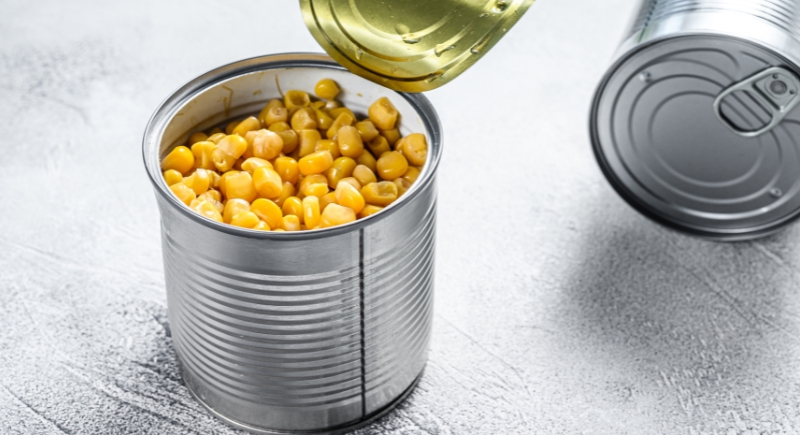
Image via Getty Images/Vladimir Mironov
Corn provides complex carbohydrates, fiber, vitamin C, B vitamins, potassium, and magnesium. Both soluble and insoluble fiber support digestion and steady energy. It adds texture and natural sweetness to soups, grain bowls, and quick side dishes.
Canned Pineapple
A single cup of canned pineapple supplies nearly 20 percent of the daily value of vitamin C, which then supports immune function, metabolism, and iron absorption. Choosing varieties packed in water or natural juice limits added sugar, and pairing it with protein helps balance blood sugar response.