8 Ways to Spot a Fake Review on Amazon Before You Buy
Amazon reviews can be useful, but they’re also one of the easiest parts of a product listing to manipulate. Paid reviews, coordinated review dumps, and incentivized feedback can make weak product reviews look exceptional and bury legitimate competitors. Star ratings alone rarely tell the full story. Knowing what to look for in the reviews themselves is the difference between buying confidently and getting misled.
A Suspicious Split Between Five-Star and One-Star Reviews

Image via Canva/Horia Ionescu’s Images
Real products usually generate a messy middle of three- and four-star reviews that mention tradeoffs. When a listing shows a lopsided pattern of overwhelmingly five-star praise paired with a noticeable chunk of one-star complaints and very little in between, it often signals manipulation. This pattern commonly appears when positive reviews are incentivized while angry buyers leave genuine negative feedback after purchase.
Reviews That Arrive in Sudden Bursts
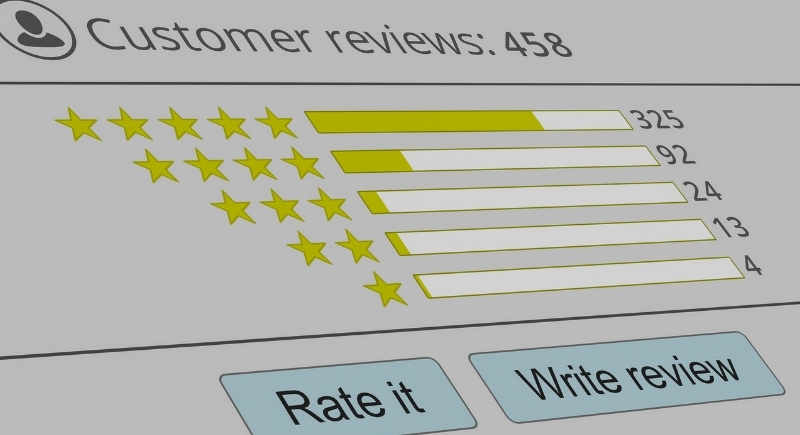
Image via Getty Images/lucadp
Authentic reviews accumulate gradually as people buy and use a product over time. A surge of dozens or hundreds of glowing reviews appearing within days or even hours of each other is a red flag. This is especially suspicious when the brand is new, obscure, or has no visible marketing footprint outside Amazon.
Vague Praise Without Product-Specific Details

Image via Getty Images/Pheelings Media
Legitimate reviewers are more likely to mention specifics. They will talk about sizing issues, setup time, battery life, durability, packaging, or how the product performs after repeated use. Fake reviews often rely on empty language like “great quality,” “works perfectly,” or “highly recommend” without explaining why. If multiple reviews sound positive but interchangeable, they likely weren’t written by real users.
Reviewer Profiles With Unrealistic Histories
Clicking on a reviewer’s profile can be revealing. Warning signs include accounts that review dozens of unrelated products in a short time, almost exclusively leave five-star ratings, or post across wildly different categories with equal enthusiasm. While prolific reviewers do exist, unnatural consistency across products often signals participation in review schemes.
“Verified Purchase” Used as a Shield

Image via Canva/Jacob Lund
A verified purchase does not guarantee a review is honest. Many compensated review operations require reviewers to buy the product first so the review appears legitimate. Treat “Verified Purchase” as a baseline filter, not proof of authenticity. The content and timing of the review matter far more than the badge.
Repeated Phrasing Across Different Reviews
Scan for unusual repetition. When multiple reviewers use the same phrasing, highlight identical features in the same order, or mirror each other’s sentence structure, it often indicates coordinated or outsourced writing. Real customers don’t independently describe a product using the same keywords and rhythms.
A Product With Thousands of Reviews but No Brand Presence
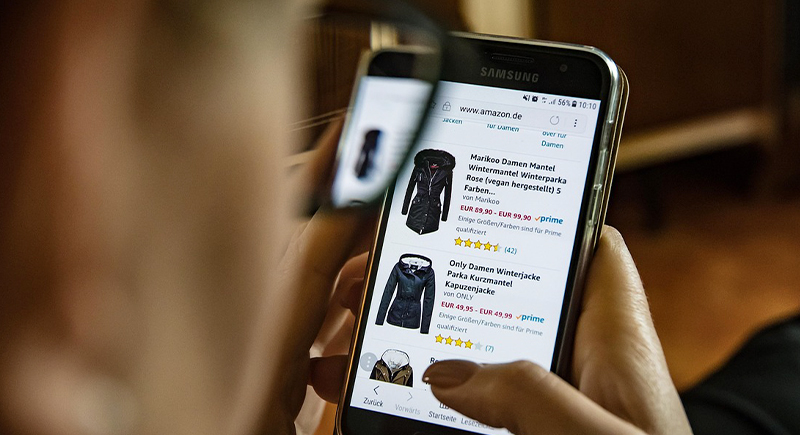
Image via pixabay/HutchRock
If a brand has massive review volume but no website, customer support page, social media presence, or footprint outside Amazon, be skeptical. It’s difficult for an unknown company to generate enormous organic review activity without external visibility. This doesn’t prove fraud on its own, but it significantly increases the odds.
Star Ratings That Spike Abruptly Over Time
Scroll through the review timeline instead of relying on the average score. Sudden jumps from mediocre ratings to near-perfect ones often indicate review manipulation campaigns rather than genuine improvements. Authentic quality improvements tend to produce gradual shifts rather than overnight transformations.