8 Things Boomers Did With Leftovers That Younger Generations Find Unsettling
Boomer fridges were often packed with mystery containers and frozen loaves of bread. Younger generations grew up with delivery apps, food safety infographics, and a lot less patience for anything that smells even slightly off. This clash of habits is where things get interesting, because many Boomer leftover tricks sit right on the line between legendary thrift and low-key horror movie.
Food safety agencies now recommend that cooked leftovers be stored in the fridge for only about three to four days, after which the risk of spoilage increases. For optimal quality, it is best to store leftovers in the freezer for no more than a few months.
Turning The Freezer Into A Bread Archive
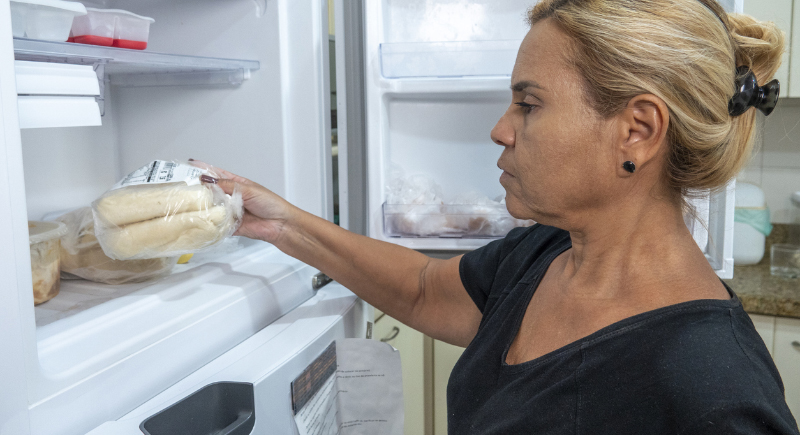
Image via iStockphoto/Luoman
Many Boomer kitchens treated discounted bread like treasure. Extra loaves went straight into the freezer, sometimes for months, then came out slice by slice for toast, grilled cheese, or stuffing. Modern guidance suggests that frozen bread retains its good flavor for around three months, possibly up to six months with careful wrapping, after which its quality starts to decline, even if it remains safe. Younger generations, used to bakery runs and delivery services, often see this long-term bread storage as a quality downgrade.
Building “Everything Leftover” Casseroles
Boomer parents mastered the mixed-up casserole. A bit of meat, stray vegetables, leftover rice, all baked under cheese or crumbs, could turn into a whole new dinner. That strategy stretches groceries and reduces food waste, a significant win in households feeding multiple children on tight budgets. Younger adults often find this approach unsettling because they like transparency. A pan full of “stuff that needed to be used up” feels like a mystery project instead of dinner, even if the result tastes edible.
Keeping A Freezer Bag Of Vegetable Scraps
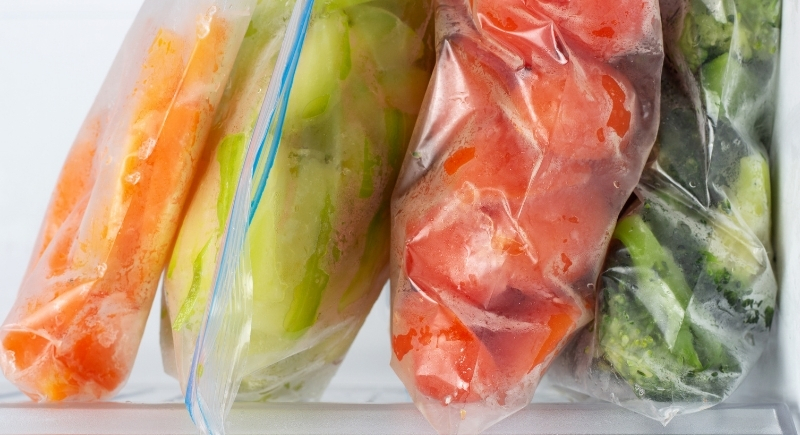
Image via Canva/Kim Tatiana
Plenty of Boomer cooks kept a zip bag filled with onion ends, carrot peels, celery leaves, and herb stems. Once complete, it became the base for homemade stock, a method many zero-waste cooks and chefs still recommend today as a smart way to turn scraps into broth.
Eating Leftovers Until The Last Day
Boomers followed a simple rule: if leftovers smelled fine, they were good enough to be served. Pasta, casseroles, and roast meat often resurfaced four, five, or even six days later. Official guidance now suggests storing cooked dishes in the fridge for three or four days before the risk of spoilage increases, after which freezing is considered a safer option.
Reusing Foil And Containers
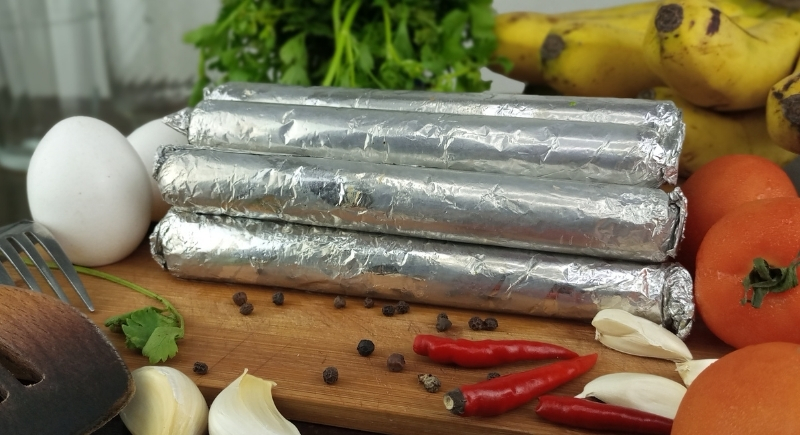
Image via Canva/Friez Ruiz
Boomer kitchens often had a stack of rinsed foil sheets, bread bags, and margarine tubs ready for a second life. Younger generations, on the other hand, tend to focus more on recyclable or reusable glass containers and are concerned about hygiene when thin foil or old tubs are used to store leftovers. They also grew up with messages about cross-contamination and safe reheating temperatures. The instinct to reuse still exists; it just expresses itself in different tools.
Turning Stale Bread Into Crumbs And Croutons
Stale bread rarely landed in the trash in Boomer households. It turned into croutons, stuffing cubes, or jars of breadcrumbs used for meatloaf and cutlets. Many younger adults skip straight to store-bought breadcrumbs, which are cheap and shelf-stable. The choice saves time, although it misses a low-effort way to reduce food waste at home.
Storing Cooked Bones For Multiple Uses
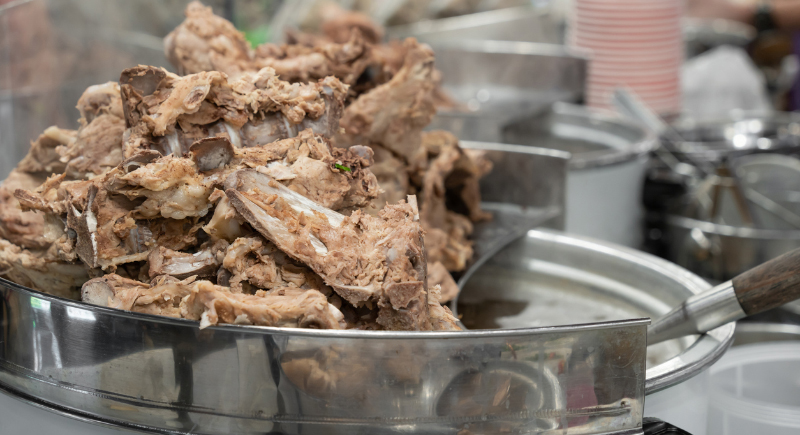
Image via iStockphoto/Gracethang
A roast chicken in a Boomer kitchen had several lives. After the main meal, leftover meat became sandwiches, while the picked-over carcass waited in the fridge or freezer for stock. Some cooks even simmered bones more than once to extract extra flavor.
Mixing Everything Into One Leftover Container
One of the most unsettling habits for younger eaters is the “everything bowl.” After dinner, all leftovers are scraped into one container: mashed potatoes, peas, meat, gravy, sometimes even stuffing. That single tub becomes lunch, often reheated as one solid mass. Modern meal-prep culture favors clear, compartmented containers and visually separated meals. Combined leftovers can be messy, harder to reheat evenly, and more challenging to track for food safety, especially when items were initially stored in the fridge on different days.