8 Items You Should Always Buy in Bulk (And 5 You Shouldn’t)
Buying in bulk sounds like a no-brainer: a bigger package, a lower price, a better deal. In reality, bulk buying only works when the math, storage, and shelf life all line up. Some products reward you for stocking up because they’re predictable, stable, and slow to degrade. Others lose quality or sit unused until they’re thrown out. Knowing the difference is what separates real savings from clutter and waste.
Toilet Paper
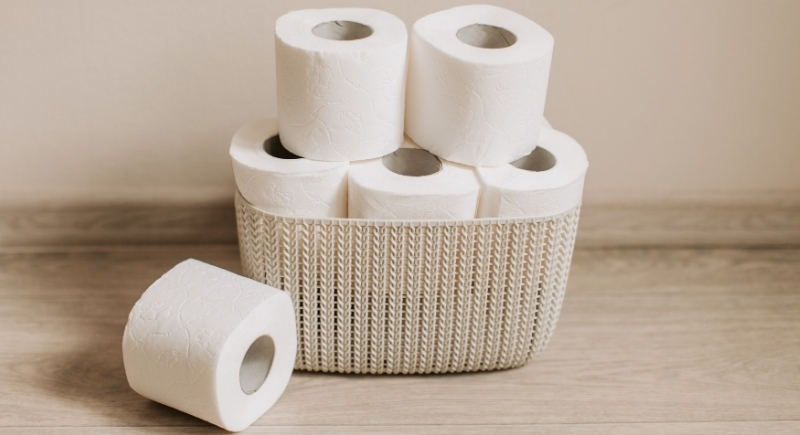
Image via Pexels/Vlada Karpovich
Toilet paper is nonperishable, has no expiration date, and is used at a steady pace in most households. Bulk packs typically reduce the cost per roll, and the main limitation is storage space. If you have room to keep it dry and clean, buying larger quantities almost always saves money over time.
Rice
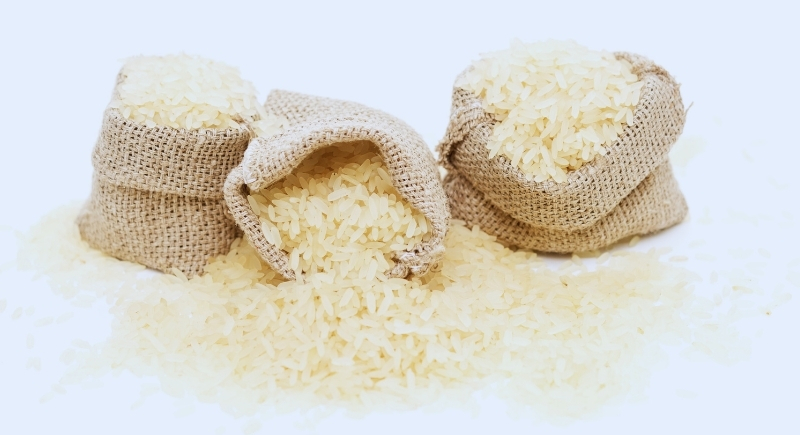
Image via Getty Images/RusN
Dry rice stores extremely well when kept in an airtight container in a cool, dry place. White rice, in particular, has a very long shelf life because it lacks the oils that cause spoilage. Since it’s a versatile pantry staple used across many meals, buying larger bags often delivers real savings with minimal risk of waste.
Pasta
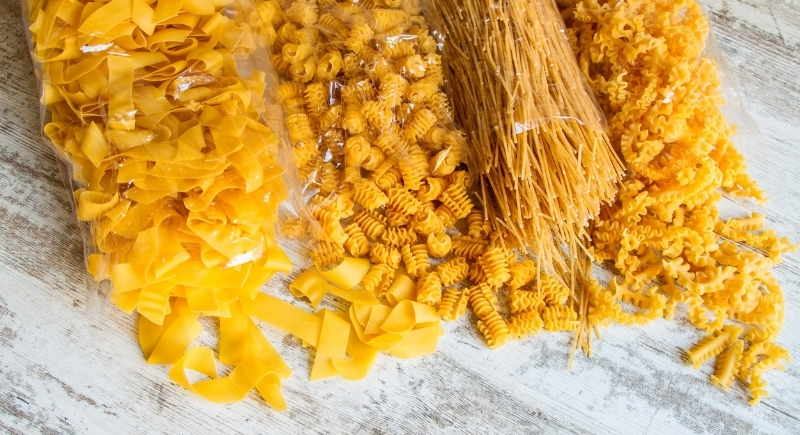
Image via Getty Images/conejota
Pasta is another dry good that holds up well over time and works across countless meals. Bulk packaging usually lowers the price per ounce, and spoilage isn’t an issue as long as it’s stored away from moisture and pests. It’s one of the easiest foods to buy in bulk without regret.
Paper Towels
Like toilet paper, paper towels are shelf-stable and consistently used. Larger packs usually offer a lower cost per sheet, and there’s no concern about spoilage if they’re stored properly. Even households that try to limit use tend to go through them steadily enough to make bulk purchases practical.
Frozen Fruits and Vegetables
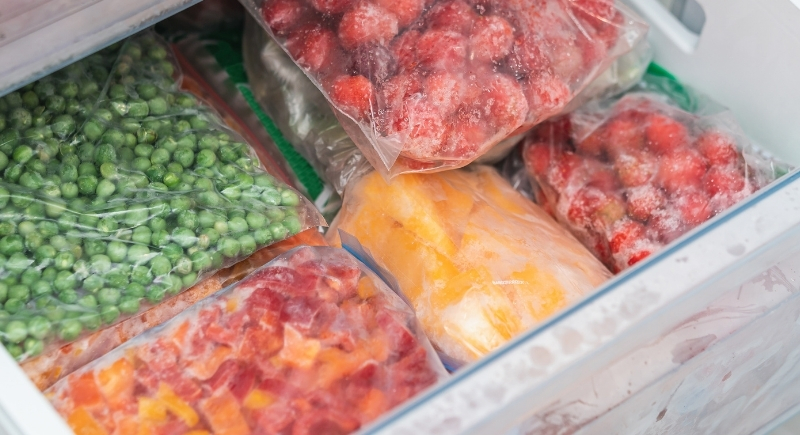
Image via Getty Images/Андрей Клеменков
Frozen produce avoids one of the biggest bulk-buying pitfalls: spoilage. Flash-freezing helps preserve nutrients, texture, and flavor, and large bags tend to cost less per serving than smaller ones. For smoothies, cooking, and quick meals, bulk frozen produce often delivers better value and longevity than fresh.
Canned Goods
Canned beans, vegetables, soups, and tomatoes are designed for long-term storage. When kept in a cool, dry place, undamaged cans stay safe and usable well beyond their best-by dates. Bulk buying works especially well here because you’re paying for convenience and longevity.
Cleaning Supplies
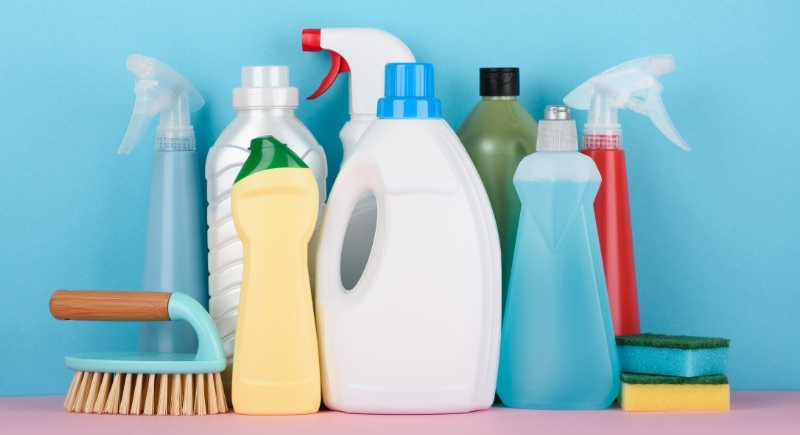
Image via Getty Images/nevodka
Items like dish soap, surface cleaners, and some household disinfectants are used gradually and predictably. Larger containers often reduce the cost per use and cut down on frequent restocking trips. That said, not all cleaning products last indefinitely, so bulk buying makes the most sense for items you use regularly rather than products that may sit unused for long stretches.
Pet Food
For households with pets on consistent diets, bulk pet food can reduce costs and limit trips to the store. Consumption is predictable, which makes planning easier. The key is choosing sizes that can be stored properly and used within the recommended freshness window, so quality doesn’t decline before the bag is finished.
Fresh Produce You Can’t Freeze
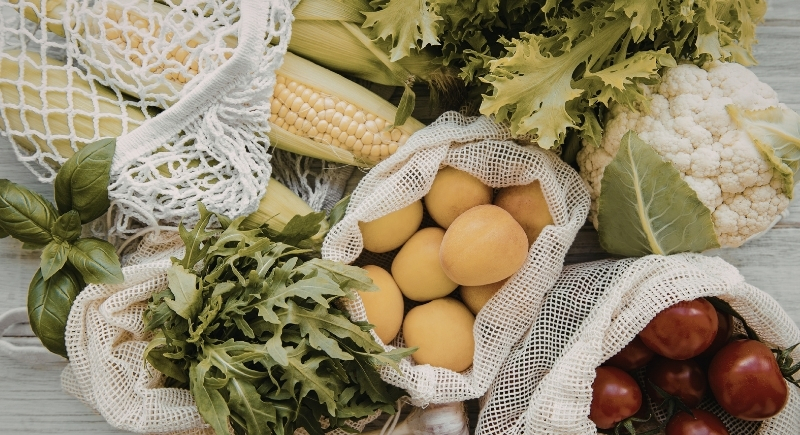
Image via Getty Images/Olivia Grigorita’s Images
Buying large quantities of fresh fruits and vegetables often leads to waste. Unless you’re feeding a crowd or freezing them correctly right away, fresh produce tends to spoil faster than expected. Bulk pricing doesn’t help if a significant portion ends up discarded.
Ground Spices
Spices don’t become unsafe in a typical pantry, but they do lose flavor and aroma over time. Large containers may look like a bargain, but if you cook infrequently, the spice will fade long before it’s finished. Smaller amounts usually deliver better flavor and better overall value.
Condiments
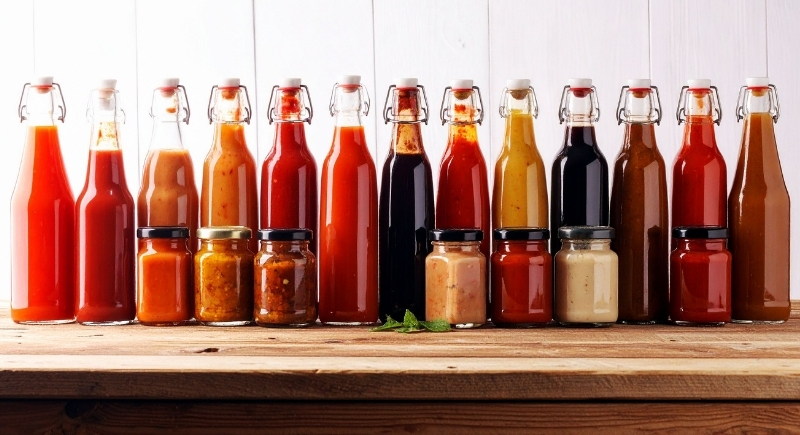
Image via Canva/Truecreatives
Condiments vary widely in shelf life, but many households don’t use them fast enough to justify oversized containers. Once opened, sauces and spreads can expire or lose quality well before they’re finished.
Cooking Oils
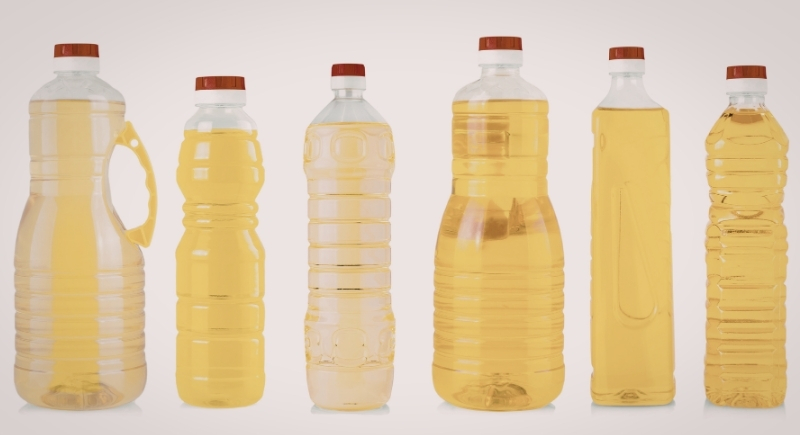
Image via Canva/Vlad Fratila’s Images
Many cooking oils oxidize and eventually turn rancid after opening, especially oils with higher fat sensitivity or specialty varieties. Buying oversized bottles increases the chance that quality will decline before you reach the bottom. Bulk sizes make sense only if you use oil quickly and consistently.
Baked Goods
Bread, muffins, and pastries stale quickly, even when stored carefully. Bulk packs only make sense if they’ll be eaten promptly or frozen soon after purchase. Otherwise, you’re paying for quantity that won’t hold up long enough to enjoy.