8 Foods Nutrition Experts Say You Should Never Eat on an Empty Stomach
The body handles food differently after several hours without eating, which is usually the case early in the morning. Without any food to buffer or dilute stomach acid, the digestive lining can be more sensitive. At the same time, digestion is slower to ramp up, and stress hormones like cortisol are already elevated. In this state, certain foods are more likely to irritate the gut, disrupt blood sugar balance, or trigger discomfort because there’s nothing in the stomach to soften their impact. Nutrition experts recommend saving a few until after you’ve eaten something more substantial.
Coffee

Image via Pixabay/02kim_
Interestingly, coffee is often the first thing people reach for to start their day, but drinking it on an empty stomach is one of the most common triggers of acid reflux and nausea. Caffeine stimulates the release of gastrin, a hormone that increases stomach acid production, while also relaxing the lower esophageal sphincter, which increases the likelihood of reflux. Experts recommend eating even a small protein- or fat-containing snack before your first cup to reduce irritation and jitters.
Citrus Fruits and Citrus Juice
Oranges, grapefruits, lemons, and their juices are quite acidic by nature. On an empty stomach, this acidity can irritate the gastrointestinal lining and worsen reflux, especially in individuals prone to heartburn or gastritis. Citrus can still be part of a healthy diet, but pairing it with carbohydrates or other foods later in the meal helps dilute its impact and makes it easier to tolerate.
Sugary Foods

Image via Pexels/Burak Akin
When sugar hits an empty stomach, insulin rises quickly, often leading to fatigue, hunger, and cravings not long after. Starting the day with sweets, whether pastries, candy, or sugary cereals, can cause a rapid spike in blood glucose followed by a sharp crash. It is recommended to eat fiber-rich or protein-based foods first, which slow sugar absorption and help stabilize energy levels throughout the morning.
Spicy Foods
Capsaicin, the compound that gives spicy foods their heat, activates pain receptors in the digestive tract. This can trigger burning sensations, cramping, urgency, or loose stools, particularly in people who aren’t used to spicy meals. Building tolerance gradually and saving spicy dishes for later meals reduces the likelihood of gastrointestinal distress.
Caffeinated Teas

Image via Pexels/Vlada Karpovich
Herbal teas without caffeine are generally better tolerated on an empty stomach, while caffeinated teas are best paired with food. Black and green teas may seem gentler than coffee, but they still contain caffeine, which can increase stomach acid and aggravate reflux when consumed alone. Black tea, in particular, can be harsh first thing in the morning.
Yogurt
Yogurt is often marketed as a perfect breakfast food, but eating it alone on an empty stomach doesn’t work well for everyone. The lactic acid in yogurt can stimulate stomach acid production and, in some cases, reduce the survival of its beneficial probiotics. Consuming yogurt alongside other foods helps buffer acidity.
Carbonated Drinks
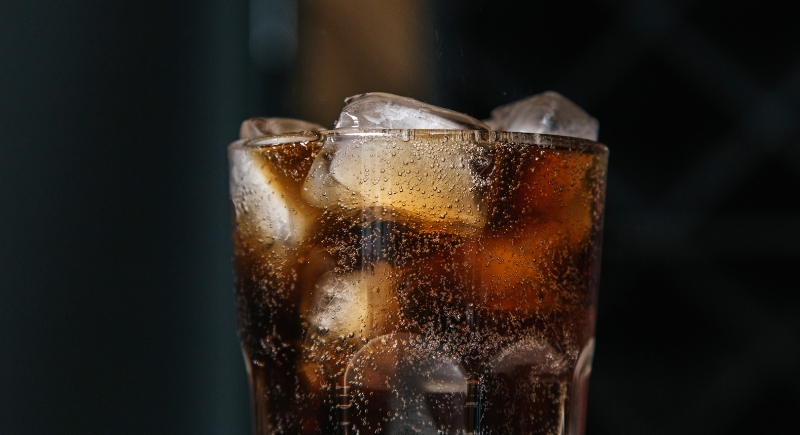
Image via Pexels/Ron Lach
Carbonation introduces carbon dioxide gas into the stomach, which can cause bloating, pressure, and burping. These sensations feel more intense when you haven’t eaten in a while. Carbonated beverages can also relax the lower esophageal sphincter, increasing the risk of acid reflux. Sugary versions add another issue by rapidly spiking blood sugar without any nutritional buffer.
Greasy Fried Foods
High-fat foods, such as fried chicken, fries, or fast-food breakfasts, digest slowly. This prolonged digestion can increase acid production and exacerbate discomfort, nausea, or reflux when consumed without anything else. Experts note that pairing fats with carbohydrates or consuming them later in the day makes them easier to digest.