8 Craziest McDonald’s Menu Items Available Around the World
McDonald’s runs one of the largest restaurant systems in the world, and its menu changes noticeably from country to country. Local teams adjust items to reflect everyday eating habits, religious rules, and regional flavor preferences. What feels ordinary in one market can look surprising in another.
Sometimes that means turning familiar comfort food into fast food. Other times, it leads to combinations that feel unexpected on purpose. These items are carefully planned to match local tastes and keep customers interested. The eight picks below show just how different McDonald’s can get once the U.S. menu stops setting the standard.
Oreo Spam Burger, China
McDonald’s China released a members-only Oreo and SPAM burger in December 2020, and reports said the run totaled 400,00 burgers. The concept sounds chaotic: luncheon meat with Oreo cookie crumbs and mayonnaise. But the reason it worked is also the reason it sounds so wrong! China’s limited drops thrive on shock value and quick sellouts, and this one leaned hard into sweet-salty contrast.
McKroket, Netherlands
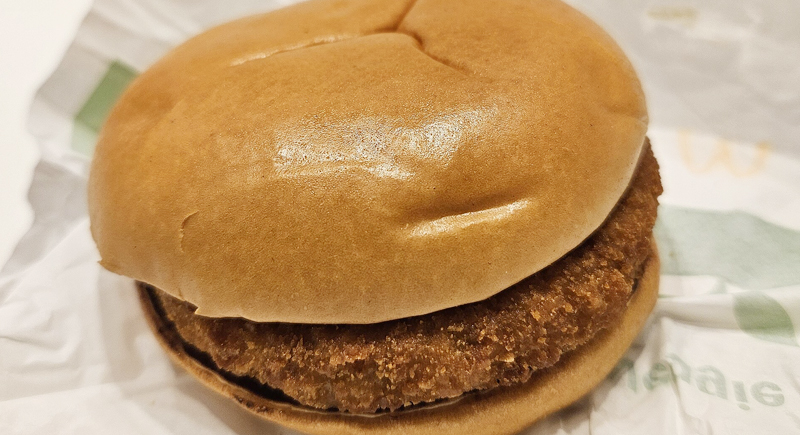
Image via Wikimedia Commons/Vera de Kok
The Netherlands gets a burger built around a croquette-style patty filled with ragout, finished with a creamy mustard sauce. It’s fast food doing a local snack in burger format. The crunchy coating and soft filling make it feel closer to a bar snack than a drive-thru sandwich, and that texture switch is the whole point.
Chicken McDo With McSpaghetti, Philippines
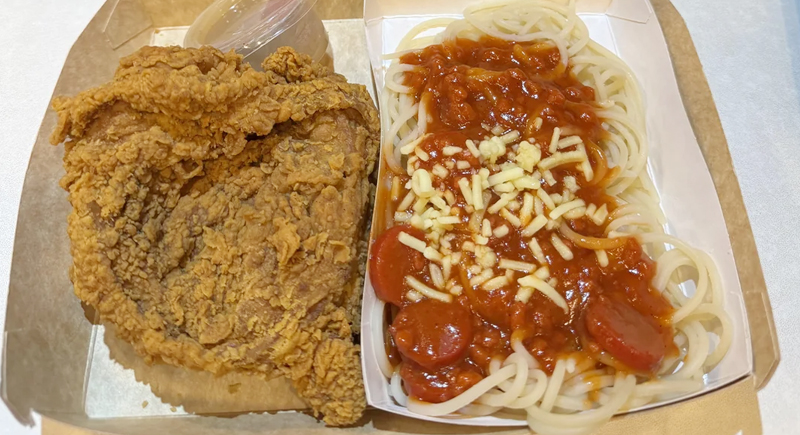
Image via Reddit/asianfatty69420
In the Philippines, McDonald’s pairs McSpaghetti with fried chicken in a combo called Chicken McDo with McSpaghetti. It works as a comfort meal: sweet-leaning spaghetti with meat sauce served alongside crisp chicken. In the United States, spaghetti at McDonald’s would feel out of place, but in the Philippines, it fits local tastes and remains a menu staple.
Pizza McPuff, India
India’s Pizza McPuff looks like a handheld pastry, but the filling goes full snack-aisle pizza: mixed vegetables, mozzarella, tomato sauce, and spices, all inside a rectangular, savory crust. It clocks in at about 228 calories per serving on McDonald’s India’s site. The appeal is simple: it’s vegetarian-friendly, portable, and built like a hot pocket with an Indian fast-food flavor profile.
Chicken Maharaja Mac, India
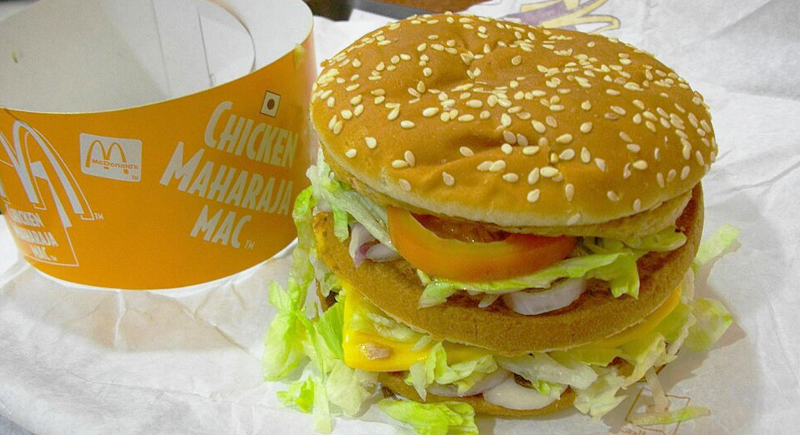
Image via Wikimedia Commons/Yusuke Kawasaki
India’s version of the Big Mac replaces beef with two stacked chicken patties, layered with familiar toppings and a spiced sauce. McDonald’s India lists it at around 689 calories. The build mirrors a classic McDonald’s burger, but it reflects local tastes and dietary needs. Its size also puts it firmly in the category of a full meal rather than a quick bite.
Poutine, Canada
McDonald’s Canada sells poutine: fries topped with cheese curds and gravy, listed at 870 calories for the regular size. It’s a national comfort food, so it isn’t strange in Canada. However, it’s hard to imagine McDonald’s United States casually serving cheese curds and gravy as a mainstream side. It’s rich, messy, and exactly why people order it.
Kiwiburger, New Zealand
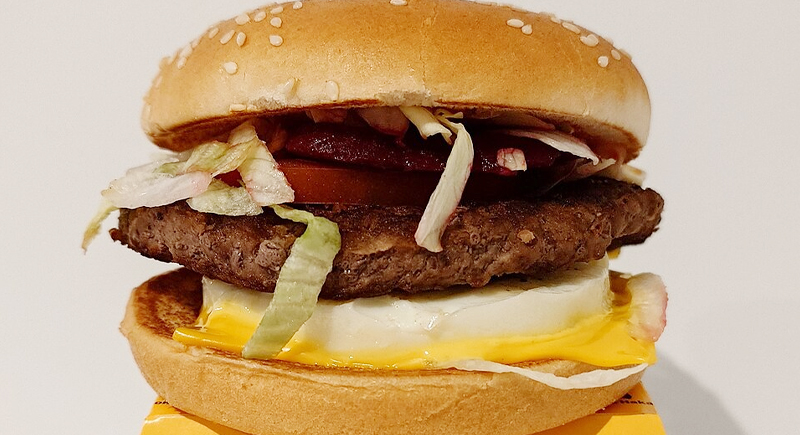
Image via Wikimedia Commons/Alexeyevitch
The Kiwiburger leans into what many New Zealanders already consider a proper burger. It starts with beef, then adds beetroot for sweetness and a grilled egg that gives it a diner-style feel. The combination is familiar rather than flashy, which explains why it keeps returning as a limited-time item and why fans make noise every time it does.
McRice Burger, Taiwan, And Parts Of Asia
McDonald’s has sold rice-bun burgers in parts of Asia, using compact rice cakes as the “bun.” Reporting tied to McDonald’s Taiwan said 5 million were sold in 6 months and put the rice burger at 378 calories, compared with 529 for a Big Mac. It’s a smart local fit in rice-first markets, and it changes the entire bite. Less bread chew, more sticky-satisfying rice texture, and still very much a burger build.
Fried Taro Pie, Asian Markets
Taro pies show up as a seasonal dessert item in various Asian markets, and McDonald’s even lists “Fried Taro Pie” as a product in its nutrition pages. The hook is the color and flavor: purple filling with a mild, sweet, starchy taste closer to sweet potato than candy. It’s familiar in regions where taro desserts are common, and it feels like a curveball anywhere else.