8 Craziest Burger King Items Available Around the World
Burger King doesn’t treat its international menu like a copy-paste of the U.S. lineup. Outside America, the brand experiments a lot more. Some locations roll out bold flavors, strange ingredient combos, or limited items that feel almost unreal compared to the standard Whopper.
In certain countries, these releases reflect local tastes or cultural moments. In others, they feel like pure spectacle, built to grab attention and get people talking online. Either way, they are real menu items. Customers actually lined up, paid, and ate them.
Some are surprisingly creative. Others leave you wondering who approved the idea. What stands out most is the effort. These weren’t halfhearted gimmicks. Burger King is fully committed, from packaging to promotion, and that’s what made them unforgettable.
Windows 7 Whopper — Japan
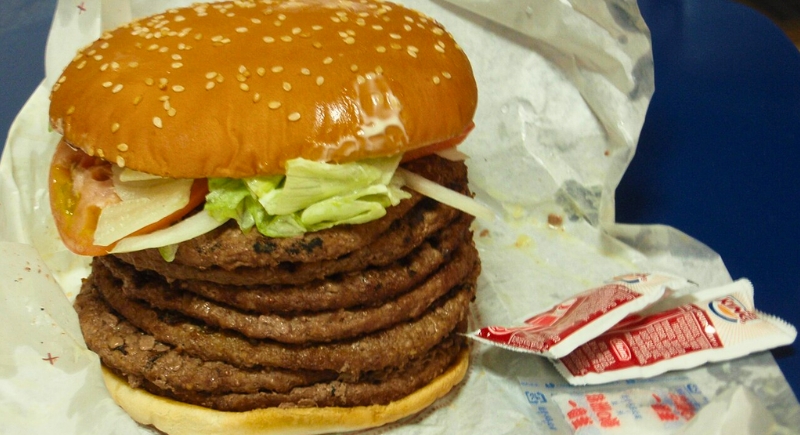
Image via Wikimedia Commons/Tomomori
Few fast food items have ever been tied so directly to a tech product launch. The Windows 7 Whopper debuted in Japan in 2009 and stacked seven full beef patties into one burger. It was priced at 777 yen and only sold for seven days.
The burger itself was basically a normal Whopper multiplied into absurd territory. The real goal was attention, and it worked. Customers lined up to try something that felt more like a publicity stunt than lunch. Even today, it remains one of the clearest examples of fast food colliding with pop culture marketing.
SufganiKing Donut Burger — Israel
The SufganiKing replaced the bun with two fried donuts filled with ketchup, creating a sweet, salty, and extremely messy sandwich. Burger King Israel leaned directly into holiday tradition with this release. It launched during Hanukkah, when fried foods are traditionally eaten. The combination sounds chaotic, but it was surprisingly popular locally. The release was so successful that it sold for nearly $4.00 per unit.
Kuro Burgers — Japan
The Kuro Pearl and Kuro Diamond burgers turned fast food into visual theater. Everything was black. The buns and cheese used bamboo charcoal, while squid ink colored the sauces. It looked like something from science fiction. Flavor stayed relatively normal, with black pepper patties and standard toppings, but presentation carried the entire experience.
The burgers launched during Burger King Japan’s anniversary campaign and became some of the chain’s most photographed items ever. They helped cement Japan as Burger King’s most experimental market.
Garlic Meat Beast — Japan
If the Kuro burgers focused on looks, the Garlic Meat Beast focused on raw intensity. This sandwich stacked a beef patty, teriyaki chicken, garlic pork, and piles of fried garlic slices. Instead of balancing flavors, it leaned hard into savory overload. The miso-based sauce and scallions added even more intensity. It felt less like a burger and more like a full mixed grill smashed into bun form. The name was not subtle, and neither was the eating experience. It was designed for people who wanted maximum flavor density in every bite.
Spicy Shrimp Whopper — Japan
The Spicy Shrimp Whopper combined flame-grilled beef with crispy shrimp and spicy tomato sauce. This “surf-and-turf” model allowed Burger King to integrate into the seafood-heavy Japanese market without removing its core beef product. By layering shrimp on top of the existing Whopper, the brand raised the menu’s price point and created a “premium” tier while maintaining its recognizable identity. It became a permanent part of the regional strategy because it added local luxury to a standard fast-food format.
Sprout Surprise Whopper — United Kingdom
This limited winter promotion added Brussels sprouts and Emmental cheese to a standard Whopper. The release referenced the traditional British Christmas dinner, where sprouts are a staple side dish. While customer reactions were mixed due to the vegetable’s divisive nature, the campaign served a specific logistical purpose: it allowed Burger King to use local seasonal produce surpluses to create a high-margin “limited-time offer” without importing new ingredients.
RiNGO Apple Burger — Japan
Fruit inside a burger sounds strange, but the RiNGO Burger made it a selling point. A slice of apple, coated in honey mustard, sat atop a beef patty to create a sweet-and-savory profile. This combination mirrored the traditional use of fruit in pork and cheese dishes, applying it to a standard hamburger format. Using a whole-fruit slice instead of jam introduced a distinct texture contrast that differentiated the item from the permanent menu.
Bacon Lover With Bacon Buns — France and Switzerland
Instead of just adding bacon strips, Burger King baked bacon pieces directly into the buns. The burger already had bacon, so every bite doubled down on smoky flavor. The idea was simple but surprisingly rare in fast food. Most chains stop at extra bacon toppings. This version changed the bread itself. It showed how Burger King sometimes experiments with texture and structure rather than just stacking more ingredients.