8 American Foods That Are Completely Banned in Other Countries
Food safety rules differ sharply across countries, and those differences guide and shape what ends up on store shelves. The United States permits thousands of additives under a system that often allows ingredients to be introduced first and reevaluated later. But other countries apply stricter standards that block certain chemicals before widespread use.
Those regulatory gaps have real consequences. Several foods sold nationwide in American grocery stores cannot be legally manufactured or imported elsewhere. The bans on these foods focus on specific additives, processing methods, and agricultural drugs that regulators abroad consider unacceptable for routine consumption.
Bread Made With Potassium Bromate
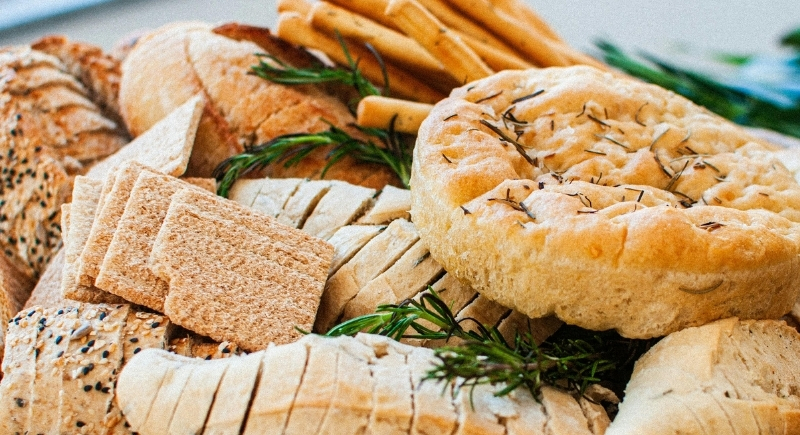
Image via Pexels/Taís Alves
Potassium bromate strengthens dough and speeds baking. The ingredient also carries cancer concerns tied to kidney and thyroid tumors in lab testing. The United Kingdom, the European Union, Canada, China, and India prohibit its use in food, while some American loaves, bagels, and breadcrumbs still list it as an additive.
Mountain Dew and Sodas With Brominated Vegetable Oil
Brominated vegetable oil once appeared in citrus sodas to keep flavor oils suspended. The compound is chemically similar to brominated flame retardants and can build up in the body. The European Union and Japan banned it decades ago, and PepsiCo removed it domestically only after sustained pressure.
Pork Produced With Ractopamine
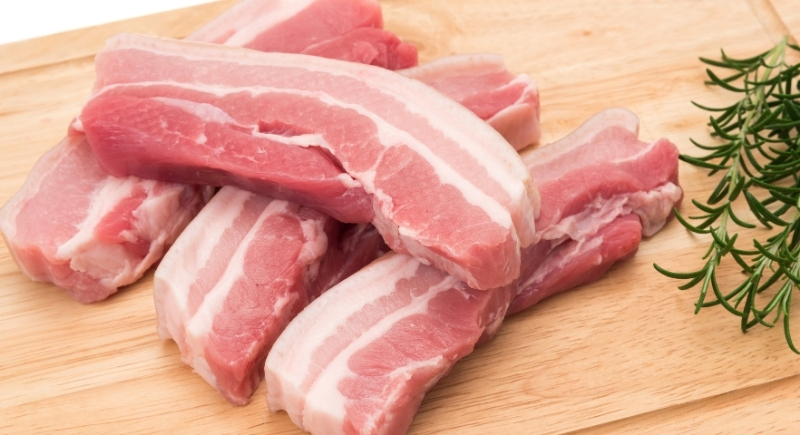
Image via Getty Images/Clubfoto
Ractopamine promotes lean muscle growth in pigs. Over 160 countries ban pork raised using the drug, including China, Russia, and every member of the European Union. Health agencies cite cardiovascular concerns and gaps in long-term human data, but the United States still permits its use.
Chicken Treated With Chlorine Washes
American poultry producers rely on chlorine rinses to reduce bacteria after slaughter. The European Union and the United Kingdom ban the practice entirely. Regulators argue it masks poor farming hygiene and shifts safety responsibility away from producers. Imported chicken treated this way cannot enter those markets.
Candy Colored With Titanium Dioxide
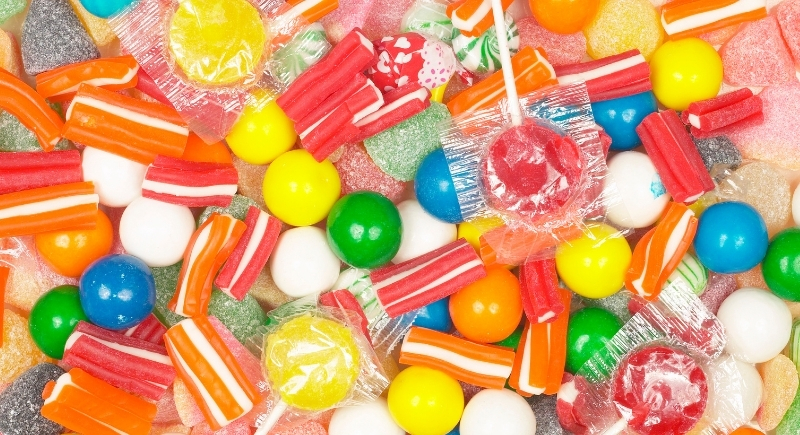
Image via Canva/Hemera Technologies
Titanium dioxide brightens candy and baked goods. European regulators banned it in 2022 after determining it could damage DNA, with the ban applicable across the European Union. Popular American candies still rely on it to enhance appearance.
Packaged Foods With Artificial Trans Fats
Industrial trans fats created through partial hydrogenation raise heart disease risk. The European Union enacted a strict limit that effectively bans them, and Denmark led the effort years earlier. Several American crackers, creamers, and dough products have historically relied on these oils and remain restricted in overseas markets.
Breakfast Cereals With BHA or BHT
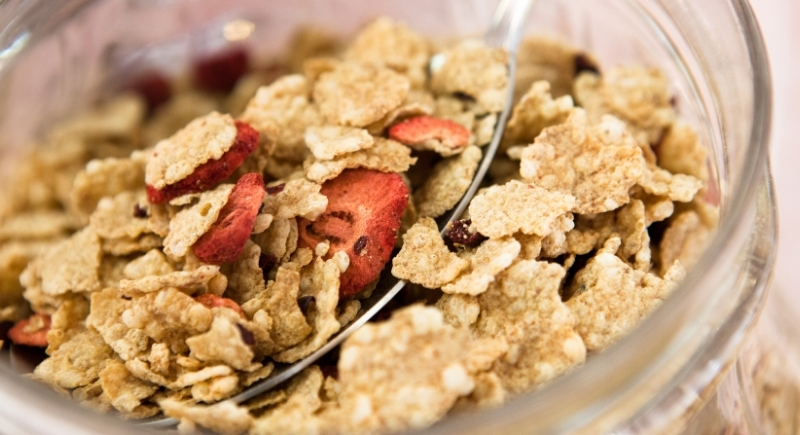
Image via Getty Images/Claudio Beduschi
BHA and BHT extend shelf life and preserve flavor. Japan and parts of the European Union prohibit BHA outright, while BHT is more restricted than banned. Both additives face scrutiny tied to tumor development in animal studies, but many American cereals and instant foods still depend on them.
Snack Cakes Using Certain Synthetic Food Dyes
Yellow 5, Yellow 6, and Red 40 are widely used in American snack cakes, while Norway and Austria have banned several of them outright. Other European countries require warning labels that make approval commercially unworkable. These rules remove many United States versions entirely unless manufacturers reformulate.