7 Things You Should Never Buy at a Gas Station (Besides Gas)
Gas stations are among the most expensive retail environments in the United States. Consumer reports and safety warnings have been saying the same thing for years, but most of us ignore them. When you stop at a gas station, you are usually tired, in a hurry, or just trying to get back on the road. That is when overpriced or risky items slip into your hands without a second thought, which is why the same products keep causing problems again and again.
Hot-Case And Refrigerated Foods
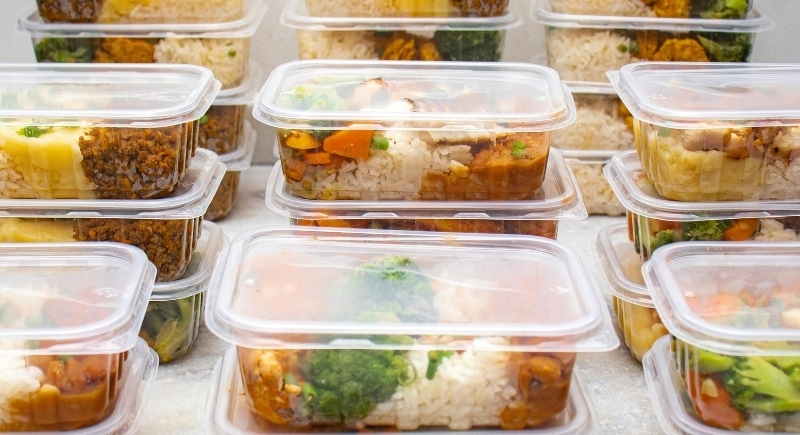
Image via Pexels/IARA MELO
Prepared foods stay safe only within a narrow temperature range. Meat, dairy, and ready-to-eat items spoil quickly once that range slips. At gas stations, coolers open nonstop and hot cases often drift below safe heat. When food sits longer than expected, bacteria multiply fast. A wrapped sandwich can still look fine even after it has passed safety limits.
Cheap Phone Chargers And Power Banks

Image via iStockphoto/damircudic
Emergency chargers at the counter tempt anyone watching a battery die. Consumer safety agencies warn that low-quality chargers can overheat, damage batteries, or spark fires. Many lack verified safety certification despite printed logos. Testing groups have flagged counterfeit electronics sold through informal retail channels as a growing hazard. Saving a few dollars here can cost a phone, a car outlet, or worse.
Gift Cards On Open Racks
Open gift card racks are easy to mess with. Scammers copy card numbers and wait until the card is activated, then drain the balance almost immediately. Consumer agencies warn that altered cards often look normal until the money is gone. Gas stations do not watch these displays closely, which is why digital cards or ones kept behind the counter are safer.
Supplements And Energy Pills
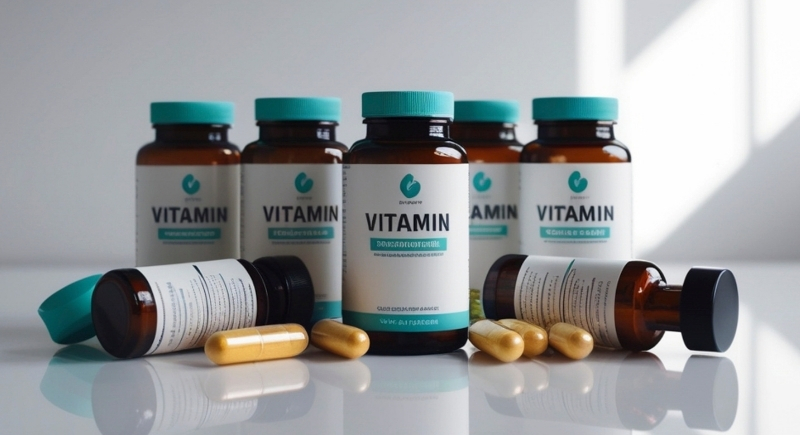
Image via Canva/SUMALI IBNU CHAMID
Some gas station supplements carry ingredients flagged by health regulators, including substances linked to serious illness. These products often appear beside legal vitamins yet operate in regulatory gray zones. Health agencies have issued repeated warnings tied to emergency room visits and poisoning clusters. Fatigue feels urgent, but water, caffeine, and food remain safer fixes than unregulated pills sold at the register.
Sunglasses And Non-Prescription Eyewear
Cheap sunglasses focus on style rather than protection. Eye health groups warn that lenses lacking proper UV filtering can cause more harm than no sunglasses at all. Dark lenses without protection force pupils to open wider, letting in more damaging rays. Packaging claims rarely guarantee real UV blocking, and driving for hours compounds the risk.
Prepaid Debit Cards
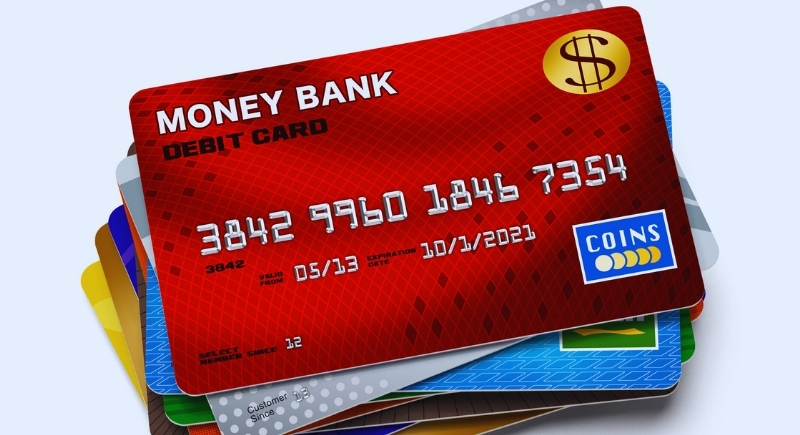
Image via iStockphoto/Michael Burrell
Regulators have flagged fees for activation, monthly use, reloads, ATM withdrawals, and purchases on prepaid debit cards. Those costs add up quickly. Cards sold at gas stations tend to be the least clear about fees, while banks and credit unions usually offer simpler terms and lower costs.
Premium Gas When Your Car Does Not Need It
Many drivers assume premium fuel improves performance by default. Automotive testing groups and fuel researchers report no benefit for engines designed for regular gasoline. Manuals spell this out clearly. Paying extra without a requirement buys nothing measurable. Fuel quality matters, but octane level only helps engines built to use it.