7 Secrets to Getting the Freshest Donuts at Dunkin’
Getting a truly fresh donut at Dunkin’ is not really guaranteed. Most customers chalk the inconsistency up to bad luck or timing and move on.
But the difference comes down to how individual stores operate, when decisions are made, and what happens to donuts between when they’re prepared and when you order. Once you know where those differences come from, it’s much easier to make choices that consistently lead to better donuts.
You Can Ask Dunkin’ to Warm Donuts on Request
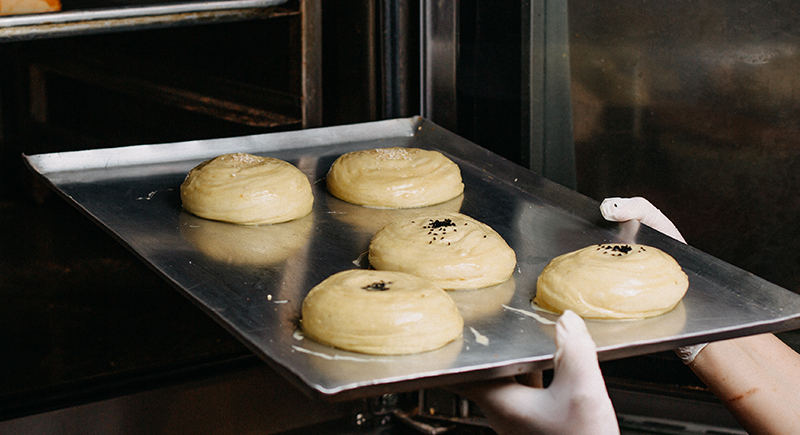
Image via Freepik/KamranAydinov
Dunkin’ employees can warm donuts on request, even outside peak breakfast hours. This works especially well for items like apple fritters, old-fashioned donuts, and coffee rolls, where gentle heat softens the interior and slightly melts glazes or frosting. It’s an option many customers don’t realize exists, and it can dramatically improve texture without requiring perfect timing.
Dunkin’ Donuts Are Sourced in Three Different Ways
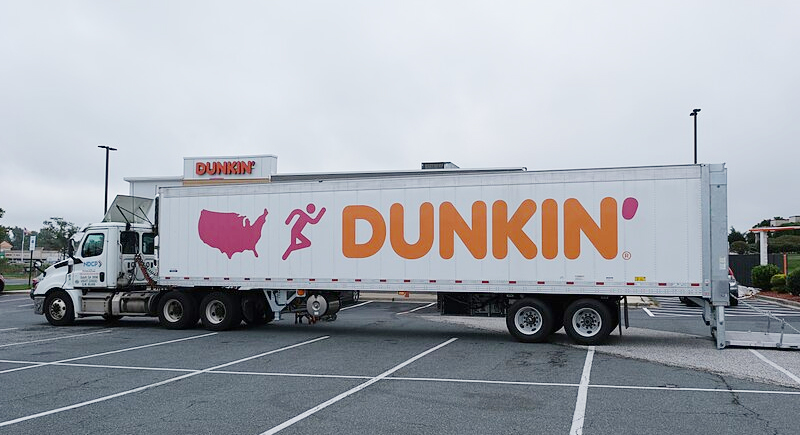
Image via Wikimedia Commons/Engineerchange
Not all Dunkin’ locations get their donuts the same way. Franchise owners can choose between three sourcing methods: baking donuts in-house, receiving them from a central kitchen shared by multiple stores, or ordering frozen donuts that are reheated on-site. This decision is made at the franchise level, not by corporate, which explains why donut quality can vary widely from one location to another, even within the same city.
In-House Baked Donuts Are Usually the Freshest Option
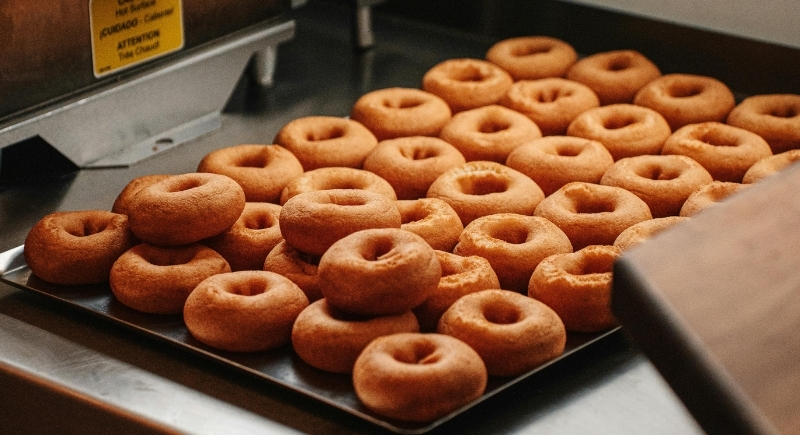
Image via Pexels/Clément Proust
When donuts are baked directly inside the store, they tend to be at their peak. Franchise owners who’ve used this method describe these donuts as larger, better-filled, and noticeably fresher. The downside is that in-house baking is labor-intensive and chaotic during early-morning prep, which is why many locations have moved away from it. If freshness is the priority, though, in-house baking is generally the gold standard.
Central Kitchen Donuts Are Baked Overnight and Delivered Early
Many Dunkin’ locations rely on central manufacturing locations, often called CMLs. These facilities bake donuts overnight and deliver them to stores early in the morning before opening. While these donuts are still made fresh daily, their quality is more time-sensitive. Ordering earlier in the day usually means better texture and flavor, while late-afternoon or evening visits increase the chance that donuts have been sitting for hours.
Frozen JBOD Donuts Are the Lowest-Quality Option
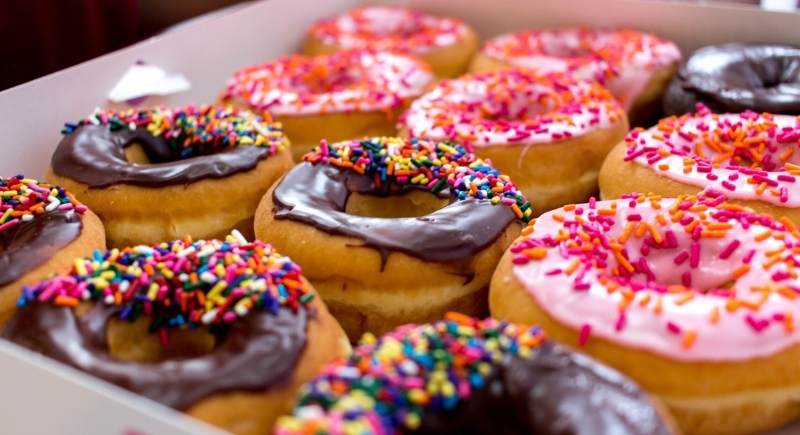
Image via Getty Images/matheuservilha
The third sourcing method involves JBOD donuts, which arrive frozen and are reheated and finished in-store. Franchise owners have been blunt about this option, describing these donuts as denser, smaller, and fundamentally inferior to the other methods. No amount of timing fully fixes the limitations of frozen donuts.
There’s No Public Label Showing How a Store Gets Its Donuts
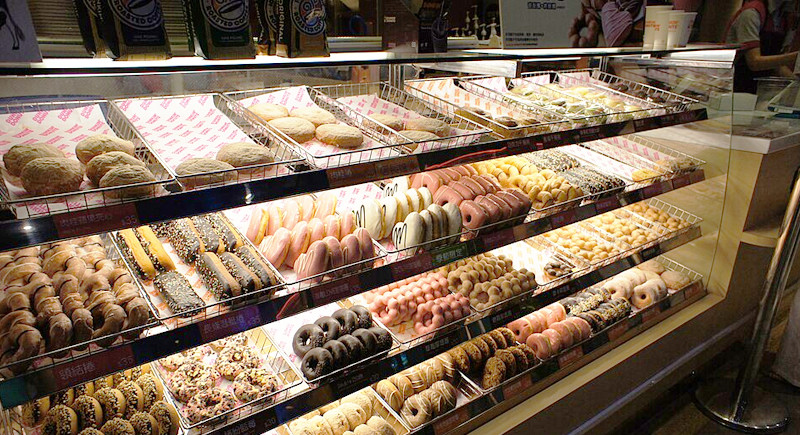
Image via Wikimedia Commons/miyaiijima
Dunkin’ doesn’t disclose donut sourcing on menus or signage. There’s no visual indicator that tells customers whether donuts were baked in-house, delivered fresh, or reheated from frozen. The only reliable way to find out is to ask a store employee directly or call the location ahead of time. Employees generally know which method their store uses and can answer if asked.
Mobile Order Timing Affects Freshness More Than People Realize
Mobile ordering can help or hurt donut freshness depending on timing. Ordering too far in advance can mean donuts sit longer before pickup, while placing an order right as you arrive gives staff no time to prepare it. Employees recommend placing mobile orders shortly before leaving home so items are prepared close to arrival time without unnecessary sitting. This is especially important during busy periods when mobile orders are deprioritized behind drive-thru and counter orders.