7 Foods That Are Surprisingly Good for Your Teeth
Dental health is influenced by various factors aside from brushing. The mouth responds to food intake throughout the day through changes in saliva production, pH levels, and bacterial activity. Dentists consistently point to diet as a factor that can either support enamel, protect gums, or increase the risk of decay. Those effects depend on texture, mineral content, and how specific foods interact with bacteria and acids in the mouth. Having said that, let’s check out a few foods that can improve your dental health.
Cheese

Image via Getty Images/Magone
Cheese supports teeth in several ways at once. It provides calcium and phosphate, both of which are essential for maintaining strong enamel. It also raises the pH level in the mouth, which helps reduce acid after meals. That shift creates a friendlier environment for teeth and encourages saliva production.
Apples
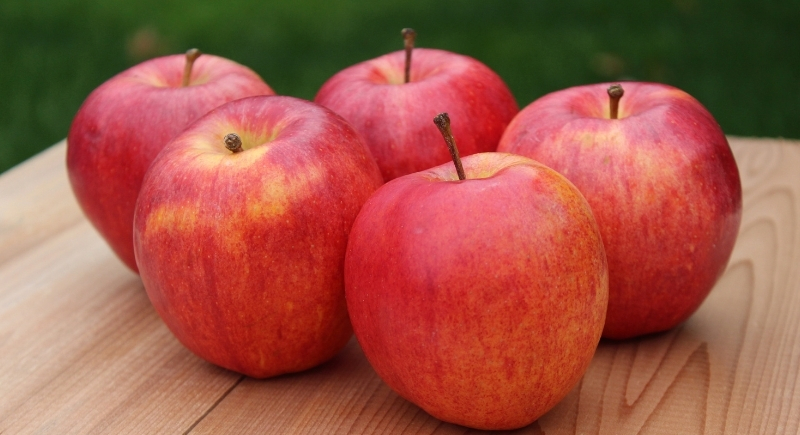
Image via Pixabay/kavpro
Apples are acidic, but their texture changes how they affect the mouth. Chewing an apple increases saliva flow, which helps neutralize acids and rinse bacteria. The fibrous flesh gently scrubs tooth surfaces during chewing. Apples also supply vitamins that support gum health.
Yogurt
Plain, unsweetened yogurt delivers calcium and protein that help strengthen enamel. It also contains probiotics, which support a healthier balance of bacteria in the mouth. That balance is crucial for maintaining gum health and can help limit the growth of bacteria associated with cavities. Flavored varieties with added sugar do not offer the same benefit.
Carrots
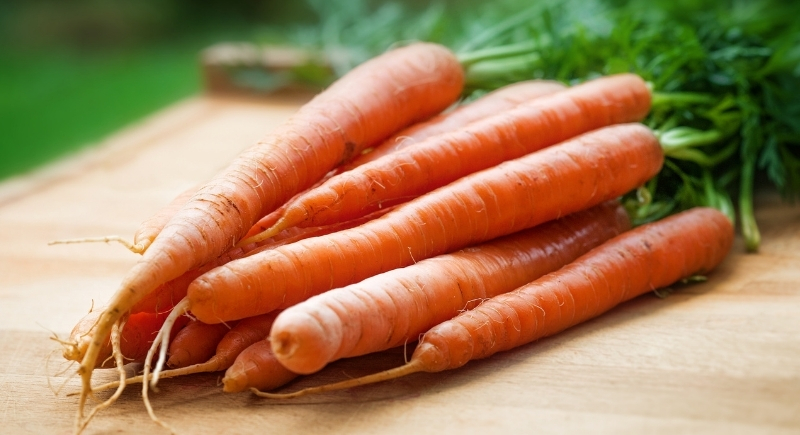
Image via Pexels/mali maeder
Raw carrots work through texture rather than chemistry. Their crunch requires thorough chewing, which increases saliva production. That saliva helps neutralize bacteria and acids. Carrots also contain vitamin A, which supports enamel and gum tissue. They fit easily into meals or snacks without adding sugar to the mix.
Celery
Celery provides a similar benefit with even more chewing involved. Its fibrous structure promotes extended chewing, which boosts saliva flow and helps clean tooth surfaces. The chewing motion also stimulates the gums, thus supporting circulation. Celery’s low sugar content makes it a safe option for frequent snacking.
Sugar-Free Gum
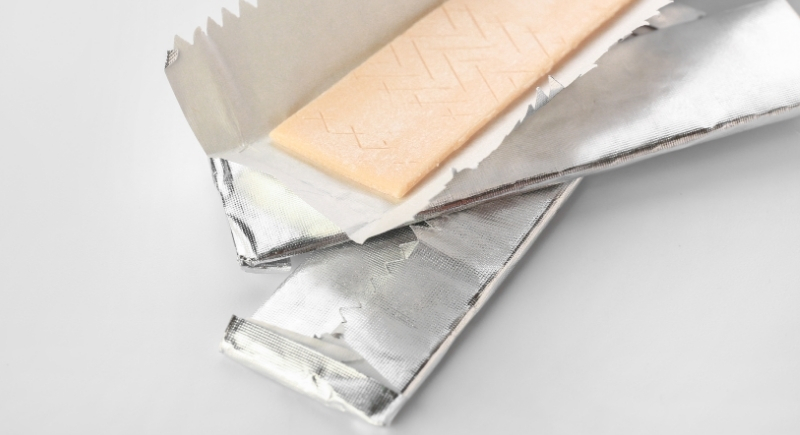
Image via Canva/Pixelshot
Sugar-free gum helps teeth through saliva stimulation. Chewing activates the salivary glands, increasing saliva flow for up to twenty minutes after eating. Saliva dilutes acids and helps remove food particles from the mouth. Dentists often recommend sugar-free gum after meals as a simple way to reduce the risk of cavities when brushing is not possible.
Green Tea
Green tea contains polyphenols that help limit bacteria associated with cavities and gum disease. These compounds also support the health of gum tissue. Drinking green tea without sweeteners is essential, as added sugar can offset its benefits. As a regular beverage choice, it supports oral health without contributing to enamel erosion.