7 “American” Foods That Were Actually Invented in Other Countries
Menus across the United States feel familiar because generations of families have eaten the same comfort dishes at home, in school cafeterias, in diners, and in stadiums. Many of those foods gained national prominence through advertising, fast-food chains, and mass production. However, history shows a more surprising path. Trade routes, migration waves, and cultural blending formed everyday meals long before they reached American kitchens. The American food culture is built on reinvention, adaptation, and scaling recipes for massive audiences. Here are seven items we’re sure you never thought were invented in other countries.
Apple Pie
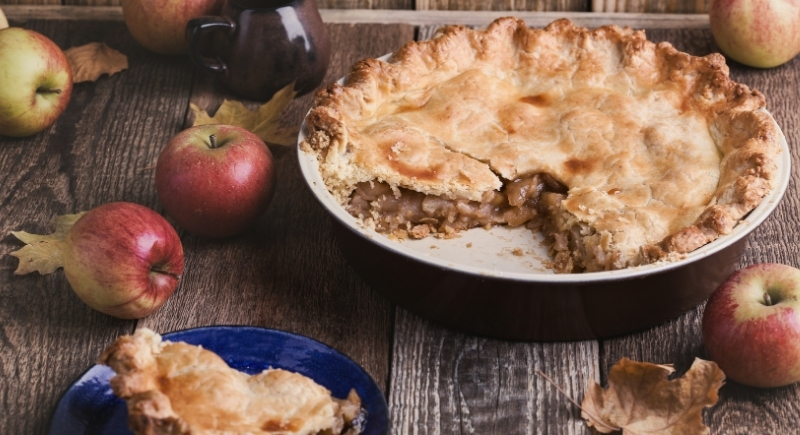
Image via Getty Images/istetiana
Apple pie carries heavy patriotic symbolism, yet the earliest written recipe dates to England in 1381. Early pies used mixed fruit, spices, and thick pastry shells meant more for storage than eating. Apples themselves trace back to Central Asia, where they spread across Europe. Colonists planted orchards across early American settlements, which helped push pies into daily cooking.
Hot Dogs
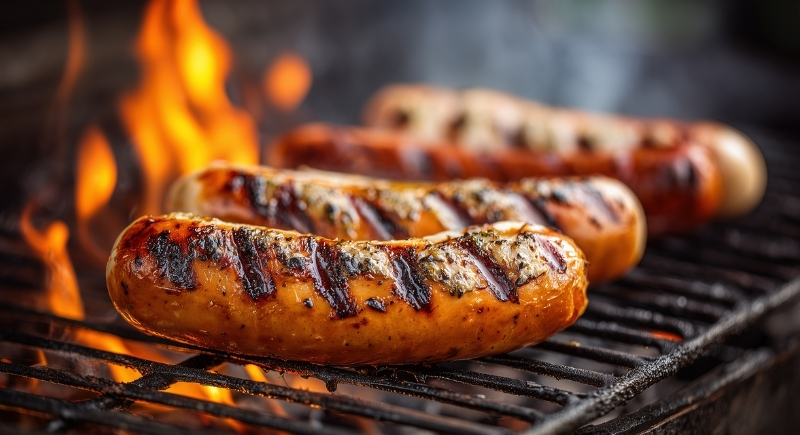
Image via Canva/Изображения пользователя Be Easy
Ballpark hot dogs grew out of European sausage traditions tied to Germany and Austria. Sausage making thrived in Central Europe for centuries before immigrants introduced variations to cities in the United States during the late 1800s. Street vendors in New York helped popularize serving sausages in bread rolls to make them easy to eat while walking. Baseball stadiums later helped cement the food as part of American sports culture.
Fried Chicken
Fried chicken connects Scottish frying techniques with West African seasoning traditions. Scottish cooks traditionally fried chicken in fat, while West African cooks specialized in seasoning meats heavily before cooking. Those cooking styles blended in the American South during the 1700s and 1800s, and the dish later moved into fast food through commercial chains during the mid-1900s.
French Fries
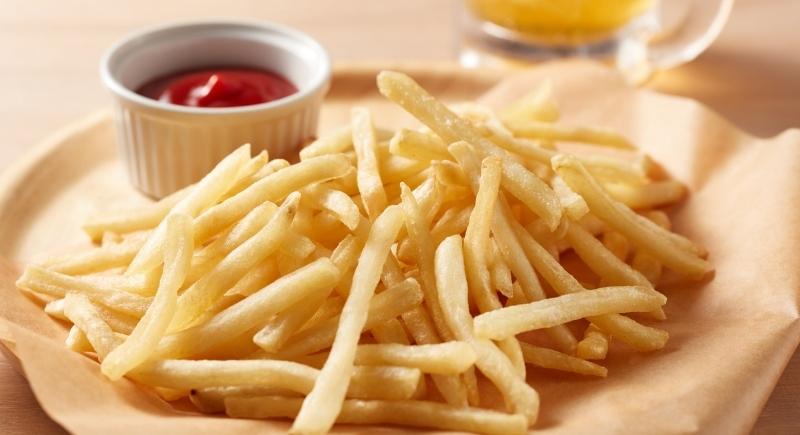
Image via Canva/Aflo Images
French fries likely originated in Belgium or France during the late 1600s. One story says villagers fried potatoes when river fish became scarce during the winter months. Potatoes later spread widely across Europe during food shortages. American soldiers stationed in Europe during World War I helped popularize fries back home, and fast-food chains later turned them into one of the most recognized side dishes on Earth.
Cheesecake
Cheesecake existed in ancient Greece centuries before New York versions appeared. Historical records suggest athletes ate early cheesecake during the first Olympic Games in 776 BC as an energy food. European bakers later refined the recipe using softer cheeses and richer textures, and American versions evolved again after cream cheese production became widespread.
Peanut Butter
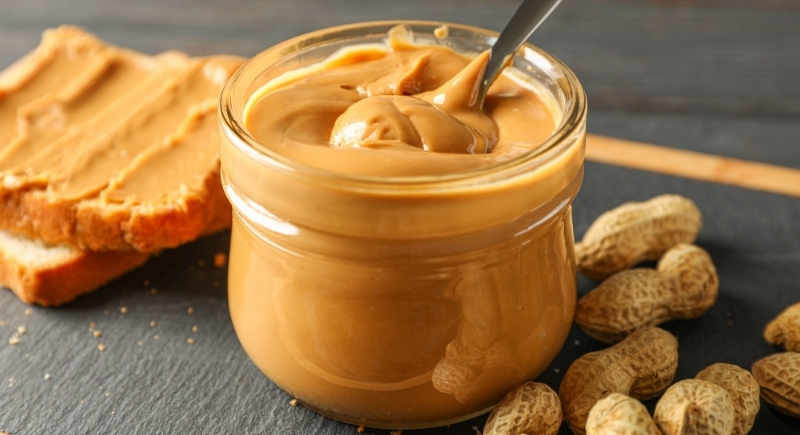
Image via Canva/atlasstudio
Ancient civilizations in South America crushed peanuts into paste long before modern peanut butter entered grocery stores. Peanut butter reached American consumers through industrial food processing and large events like the 1904 St. Louis World’s Fair. Later advances in mass production made it affordable and shelf-stable.
Pickles
Pickling dates back at least 4,000 years to Mesopotamia, where preserving food was essential for survival during long storage periods. Early cultures pickled many foods using salt brine or vinegar. Jewish communities later helped popularize cucumber pickles across Eastern Europe, and immigrants brought those recipes into American cities. Refrigeration and mass production then helped push pickles into supermarkets and fast food restaurants across the country.