17 Strange Rituals You Didn’t Know Happen Before a Pope Is Chosen
Papal elections might be rooted in faith, but don’t let the incense and chanting fool you, there’s a lot more going on than meets the eye. The process is steeped in secrecy, centuries-old traditions, and bizarre precautions. Here are the strangest customs that still shape the election of the world’s most powerful religious leader.
Locked in “With a Key”

Credit: Getty Images
The term “conclave” literally comes from the Latin “cum clave,” meaning “with a key.” Since the 13th century, cardinals have been physically locked inside to prevent outside influence. Once the doors close, they’re in for the long haul; no visitors, no news, and absolutely no texting.
The Sistine Chapel Gets a Bug Sweep
Credit: Getty Images
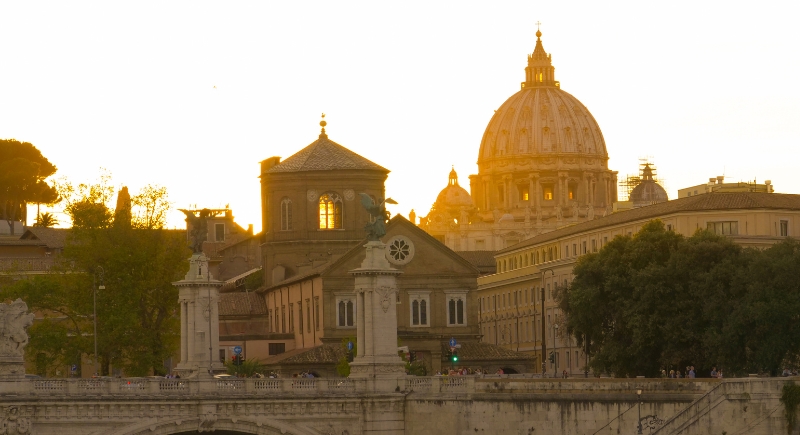
Just before voting begins, the Sistine Chapel gets thoroughly swept. Vatican security installs jammers under the floor to block electronic communication. It’s not that they don’t trust the cardinals. They just don’t trust the possibility of a rogue smartwatch or a hidden device tucked into someone’s cassock.
Meals Are Inspected for Secret Messages

Credit: Getty Images
Meals are passed through a rotating hatch called a ruota, then examined by guards to ensure no one hides messages in ravioli. Napkins are unfolded. Whole chickens and closed pies are not allowed. Even liquids must be served in clear containers.
The Vatican Kitchen’s Vow of Secrecy

Credit: Canva
While the Daughters of Charity still oversee the Casa Santa Marta residence, modern conclaves now utilize a mix of trusted lay staff and specialized Vatican catering. All kitchen personnel must take a strict vow of secrecy, and security measures ensure no messages are passed through the “sober” meals served to the cardinals.
No Red Carpet, Just Red Shoes
Credit: Facebook
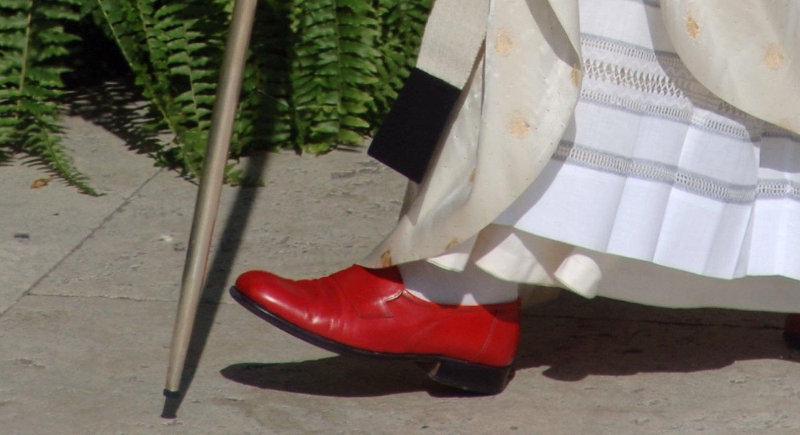
Traditionally, the new pope used to don full red robes. Today, he steps into a white cassock instead, but the red shoes remain. In the 2000s, Pope Benedict XVI famously wore handcrafted red loafers rumored to be made by a high-end cobbler in Rome.
Card-Counters, Literally

Credit: Syda Productions
Every cardinal writes a name on a paper ballot, folds it, and drops it into a chalice-like urn while reciting an oath aloud. A small group of electors then tallies the votes. There are no machines or digital tabulators. The votes are counted by hand and then burned.
Voting Is Done in Silence
Credit: X
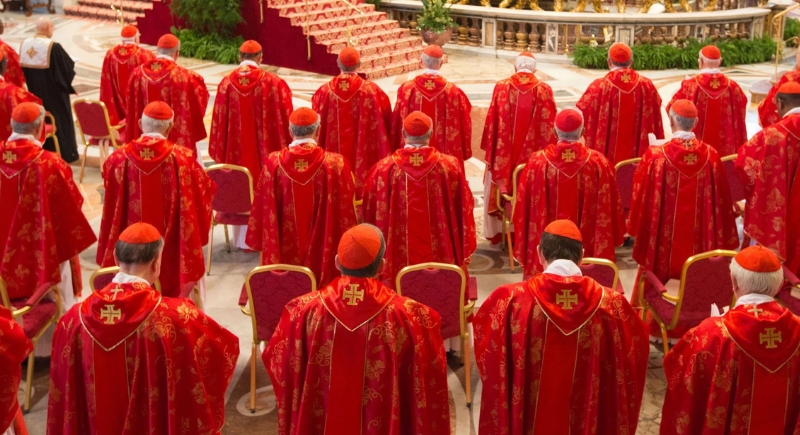
Aside from the oath spoken while casting a ballot, the conclave is eerily quiet. There are no debates or speeches. Cardinals are expected to pray and listen for the guidance of the Holy Spirit.
One Ballot Per Round, No Exceptions
Credit: Reddit
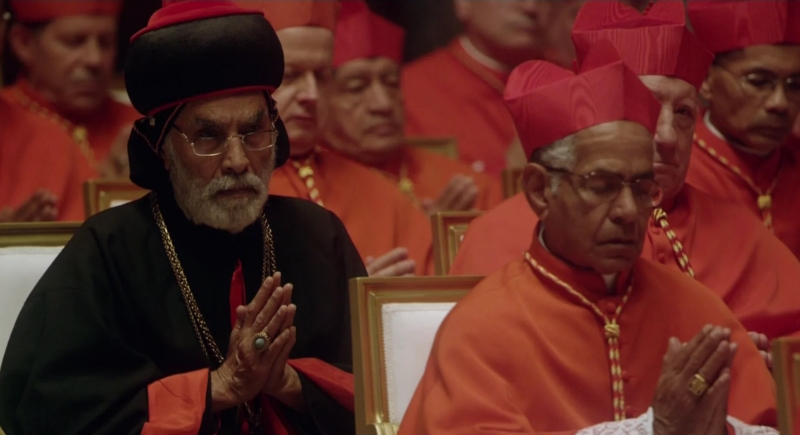
Each cardinal gets one vote per round. If the majority isn’t met, they try again. And again. And again. Typically, there are two votes in the morning and two in the afternoon. If things are still stuck after three days, they pause for prayer.
Smoke Signals Decide the Mood
Credit: flickr
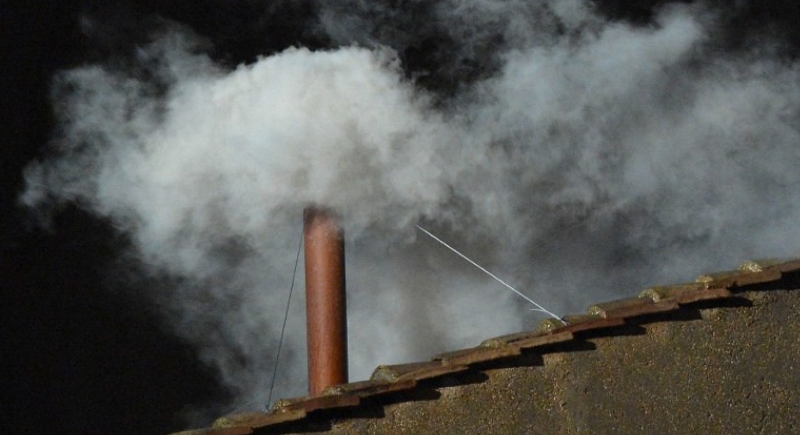
Forget press releases; the only sign the world gets is smoke. Ballots are burned after each vote, and chemicals are added to signal the result. Black smoke means no pope yet; white means a new one has been chosen.
The New Pope Picks a New Name
Credit: Wikimedia Commons
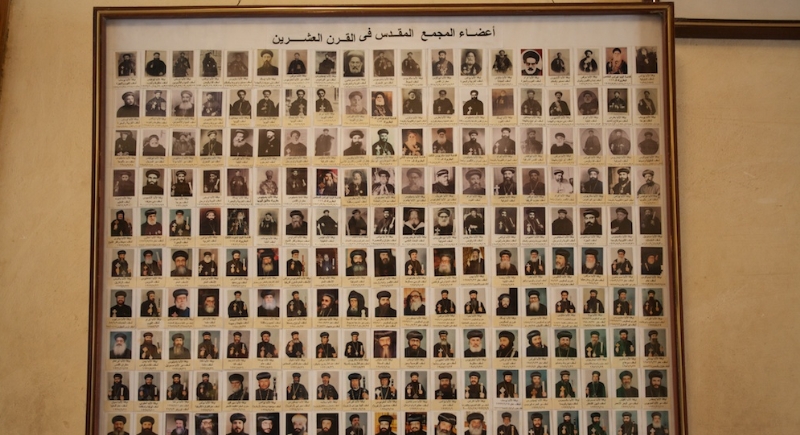
Upon election, the Pope chooses a regnal name to signal his vision. Following the legacy of Pope Francis, his successor, Pope Leo XIV, chose his name in 2025 to emphasize diplomatic strength and continuity. This centuries-old tradition transforms a cardinal’s personal identity into a global symbol of their intended leadership style.
Not All Cardinals Can Vote
Credit: Wikimedia Commons
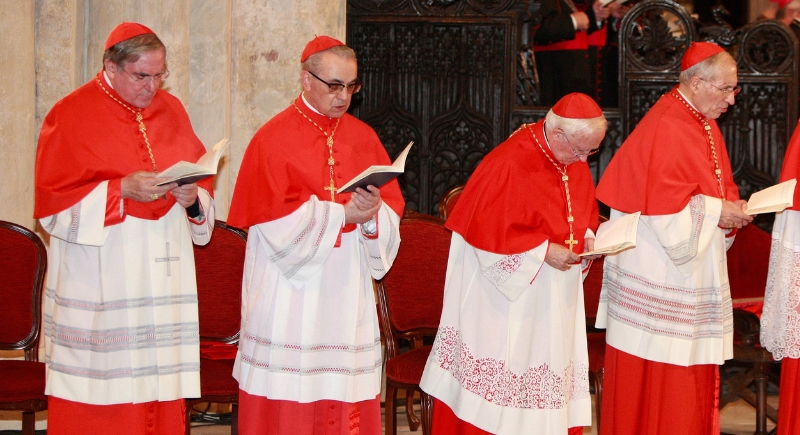
Cardinals over 80 are ineligible to vote in a conclave, a rule ensuring active leadership decides the next Pope. As of April 2026, there are 128 eligible voting cardinals out of 252 worldwide. This age limit remains a vital factor in shaping the Church’s future direction during the transition between papacies.
A Pope Doesn’t Have to Be a Cardinal
Credit: Wikimedia Commons
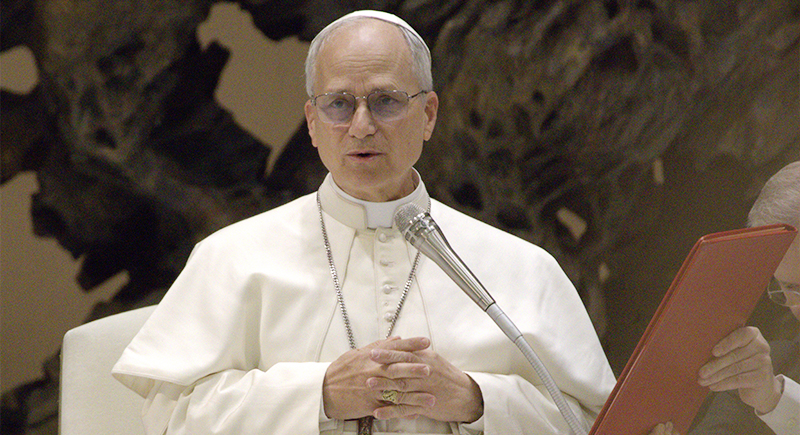
While unlikely, the rules technically allow any baptized Catholic male to be elected pope. The last time that happened was in 1378. Since then, it’s been all cardinals, all the time. Still, the possibility remains. So if you’re Catholic, male, and suddenly feel called, you never know.
Pope-to-Be Learns Fast
Credit: Facebook
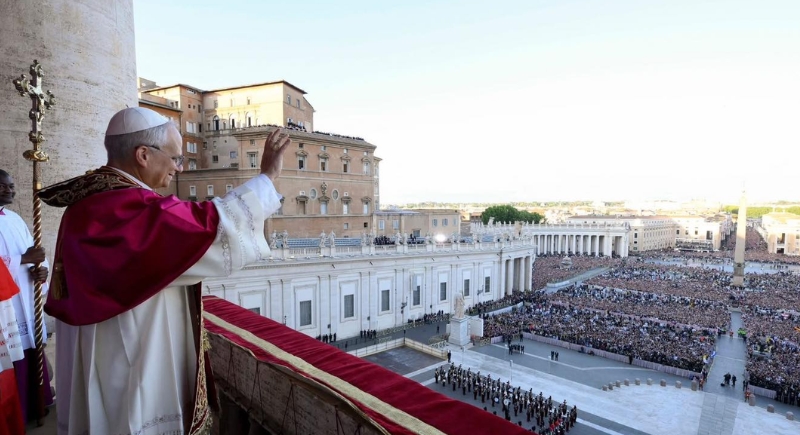
There’s no honeymoon period. The moment a cardinal accepts the vote, he’s pope instantly. That means he needs to step onto the balcony of St. Peter’s Basilica and address the world with barely any prep. Vatican tailors prepare white robes in multiple sizes ahead of time.
Meals Used to Be Weaponized

Credit: Getty Images
In medieval times, food was a negotiation tool. During the famously long conclave of 1268–1271, locals got so fed up that they reduced the cardinals to one meal daily. When that didn’t work, they ripped the roof off the building. The strategy worked and a pope was finally chosen.
Cardinals Mingle Before Conclave Begins
Credit: Facebook
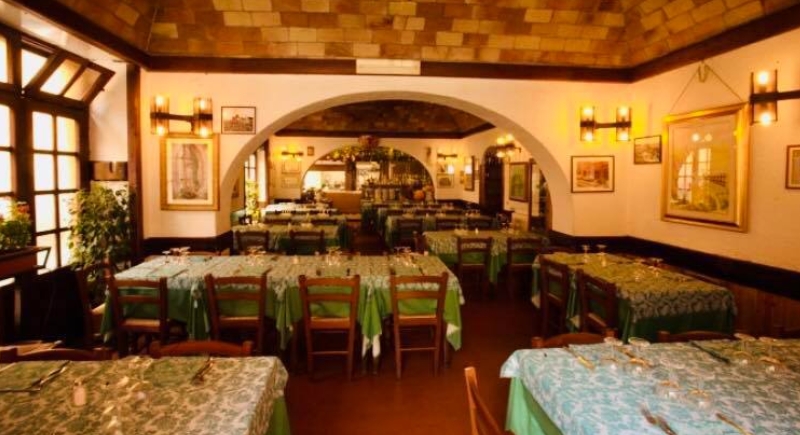
In the days before the conclave, cardinals often sneak in meals at their favorite Roman spots. Al Passetto di Borgo, near the Vatican, has reportedly seen high-ranking diners enjoying grilled squid and lasagna. It’s a chance to decompress, chat, and maybe speculate on who will wear white next week.
The Room of Tears
Credit: Youtube
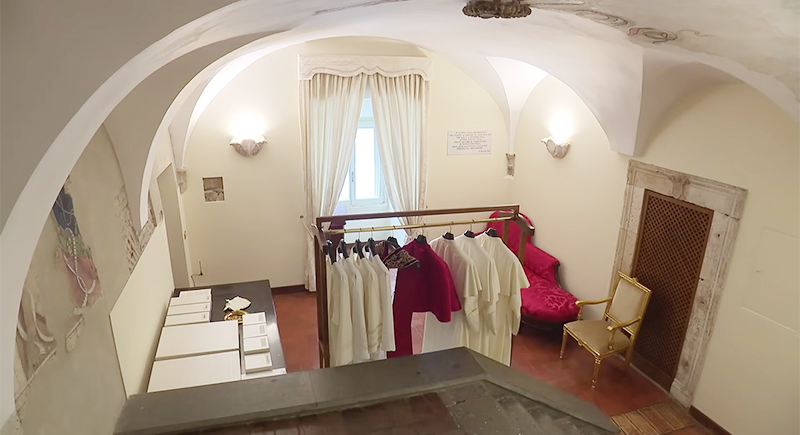
After the new pope is chosen, he’s taken to a private room called the “Room of Tears,” where he’s given the white papal attire. This emotional moment allows the pope-elect to process the overwhelming responsibility that comes with the role. It’s said that many popes cry, knowing the weight of their new position.
The “Everyone Out” Command
Credit: iStockphoto
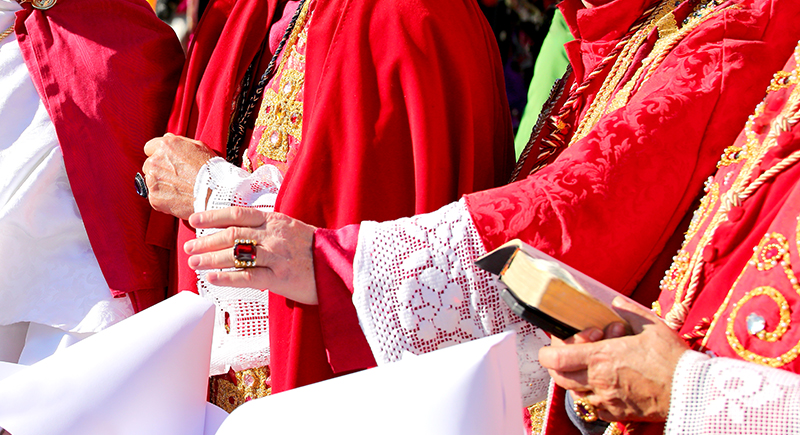
Before the final vote that elects a pope, the cardinals perform a symbolic act known as “The Everyone Out Command.” All non-cardinals are ordered to leave the Sistine Chapel, ensuring that only those eligible for the papacy remain. This is done to preserve the secrecy and sanctity of the final steps of the election process.