6 Stinkiest Foods in the World You Won’t Believe People Eat
Smell shapes how people react to food long before taste gets involved. Scientists have shown that strong odors trigger fast emotional responses linked to memory and survival, which once helped humans avoid danger. Many of the world’s most pungent foods come from that same instinct, rooted in fermentation and preservation methods used centuries before refrigeration. These dishes didn’t survive by accident. They remain part of daily diets because their smell signals tradition, safety, and flavor to the people who grew up eating them.
Durian Turns Bans Into Bragging Rights
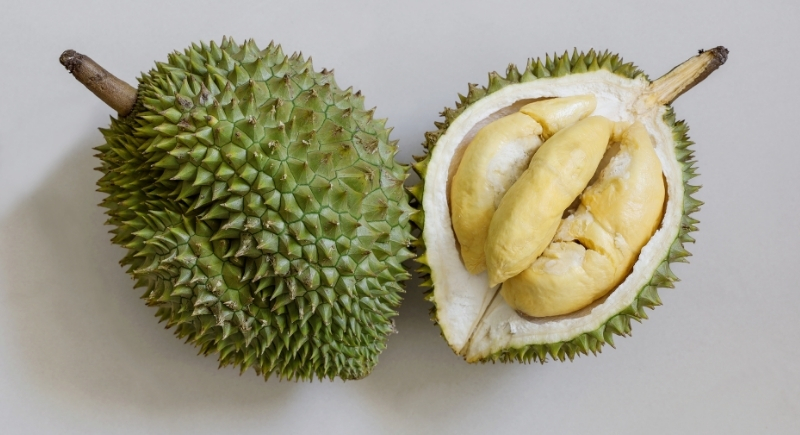
Image via Pixabay/DinhCo
Durian carries a global reputation heavy enough to earn bans across public spaces in parts of Southeast Asia. Transit systems, hotels, and airports enforce strict rules due to their sulfur-heavy aroma, but some markets still sell it daily. Fans describe a creamy texture with a sweet, savory balance once the shell cracks open. The disconnect explains the devotion. The smell makes headlines, but the flavor builds loyalty.
Surströmming Pushes Fermentation to the Edge

Image via Wikimedia Commons/Lapplaender
Surströmming relies on Baltic herring preserved with minimal salt, then sealed to ferment for months. Gas buildup causes cans to bulge, a warning sign locals respect. Food scientists have measured its odor as one of the strongest ever recorded, and outdoor openings remain standard practice in Sweden. Wrapped in flatbread with potatoes and onions, the taste softens into something briny and sharp rather than aggressive.
Stinky Tofu Owns the Night Market
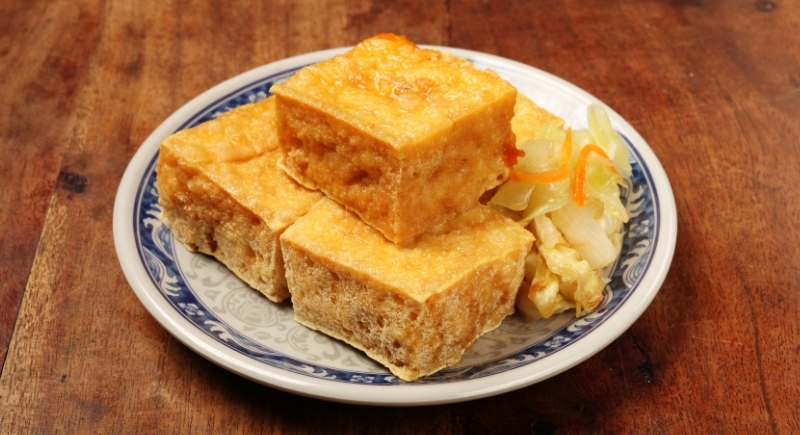
Image via Getty Images/Lcc54613
Stinky tofu announces itself blocks away at night markets across Taiwan and Hong Kong. Fermentation happens inside a brine built with vegetables and bacteria, producing ammonia and sulfur compounds. Each vendor guards a unique recipe, which explains the wide range in intensity. Deep frying creates a crisp shell and a mild interior. Regulars trust the strongest stalls, and the smell acts as a quality signal rather than a warning.
Hákarl Survives Out of Necessity
Hákarl begins with Greenland shark, toxic in its fresh state due to high urea content. Icelandic preservation methods neutralize that risk through burial, fermentation, and air drying. The resulting cubes release a sharp ammonia scent tied directly to chemistry, not decay. Served during festivals and tourist tastings, it delivers a chewy bite and a clean finish beneath the initial shock.
Natto Divides Breakfast Tables
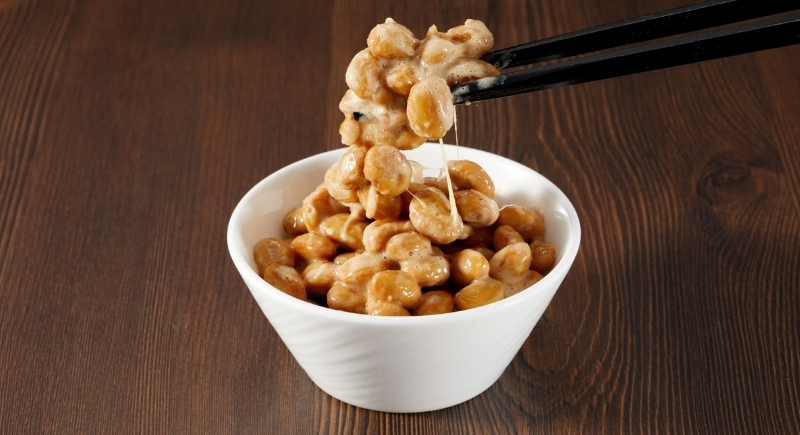
Image via Canva/Aflo Images
Natto splits opinion across Japan despite centuries of use. Soybeans ferment with Bacillus subtilis, creating sticky strands and a strong aroma. Grocery stores sell it daily, often paired with rice, soy sauce, and mustard. Nutrition research links natto to gut health and vitamin K2 intake, which supports bone strength. But habit plays a role here as regular exposure shifts perception over time.
Limburger Cheese Carries a Locker-Room Reputation
Limburger cheese owes its smell to bacteria also found on human skin, and this fuels its notoriety. Aging processes intensify the aroma while the flavor stays surprisingly mild and buttery. Served on bread, it becomes approachable despite the first impression. Cheese makers across Europe have defended it for generations, proving smell rarely tells the full story.
Strong aromas tend to share one origin: preservation. Fermentation solved survival problems long before refrigeration entered kitchens. Over time, necessity turned into identity. The result remains polarizing, yet persistent. These foods survive because taste rewards patience, and tradition rewards trust.