5 Things Chefs Say They Never Order From Restaurants
Menus are designed to sell confidence, but chefs read them through the eyes of experience and not just as paying customers. Years spent managing food safety, sourcing costs, prep timelines, and service pressure mold how industry professionals decide what is worth ordering. Patterns repeat across kitchens, cities, and price points, and certain dishes show up as trouble spots, often tied to freshness risks or inflated markups. Those red flags are hardly obvious to diners/ non-chefs, but they stand out immediately to people who know how restaurants actually operate. So, these are the top five foods that professional chefs will most likely skip when dining out.
Brunch Plates With Hollandaise
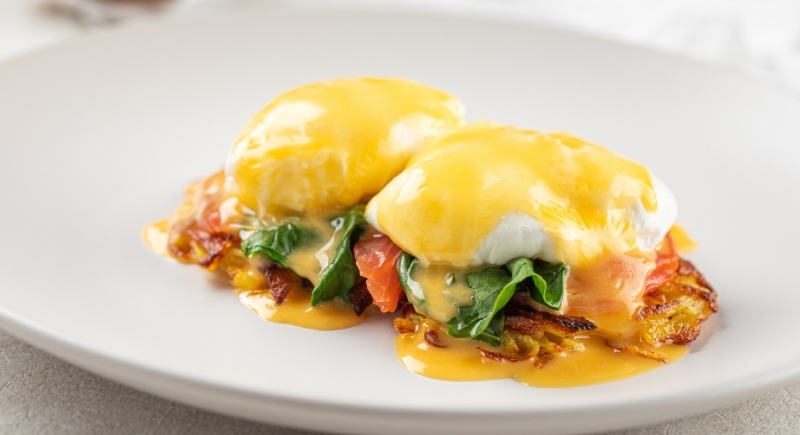
Image via Getty Images/Maxim Sparish
Brunch keeps dining rooms full, and kitchens stretched thin. Eggs Benedict and similar plates rely on sauces made with egg yolks and butter that demand precision and timing. During busy service, those sauces often stay warm longer than they should, and food safety aside, the texture suffers fast. Many chefs skip brunch classics unless the restaurant treats brunch as its main focus rather than a weekend cash grab.
Discount Sushi And Bargain Raw Fish
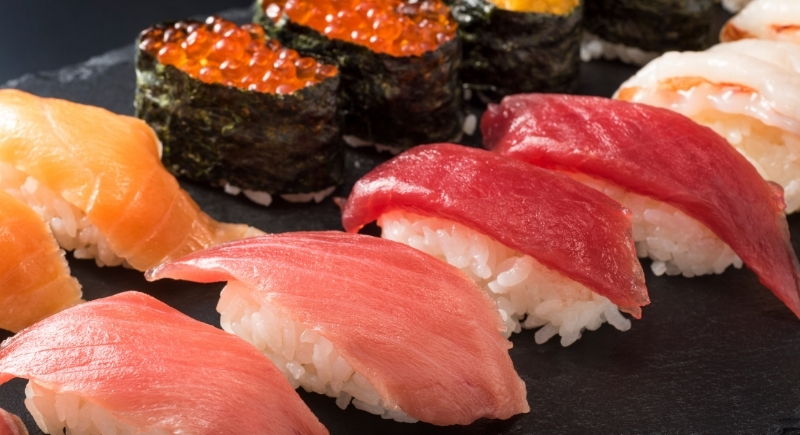
Image via Getty Images/kuppa_rock
Raw fish works only when sourcing, storage, and handling are in line. High-quality seafood costs money, and when sushi prices drop too low, some corners are probably cut. That can mean older fish, lower grades, or rushed prep. Sushi also depends on trained hands and tight standards. Chefs tend to avoid any deal that sounds too good, especially when raw seafood enters the picture. Value meals make sense in many categories, but sushi rarely qualifies.
Cooked Fish At Non-Seafood Restaurants
Fish punishes mistakes. Overcooked by seconds, it dries out. Undercooked, it disappoints. Many kitchens treat fish as a menu filler rather than a specialty. That leads to uneven results and heavy sauces used as cover. Chefs often order fish only at places known for seafood or located near strong supply chains. Elsewhere, fish becomes a gamble with low upside, especially during peak service when timing matters most.
Ground Meat Dishes And Heavy Stews
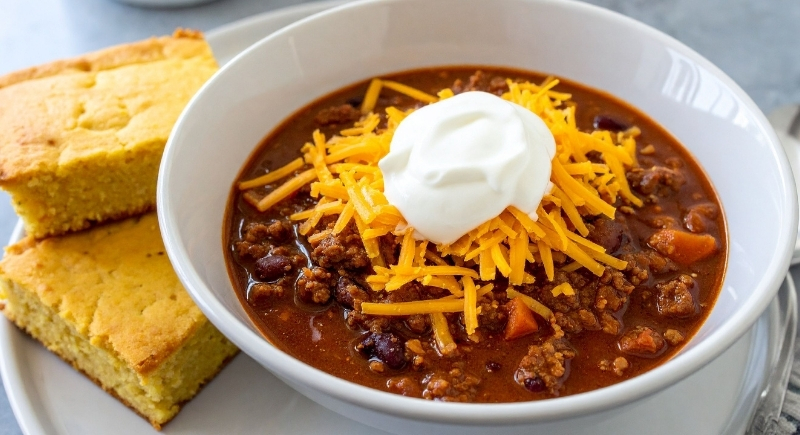
Image via Canva/Truecreatives
Chili, shepherd’s pie, and similar dishes share one trait: they conceal a lot. Ground meat masks texture and age better than whole cuts, and thick sauces cover flaws in seasoning and freshness. Those qualities make such dishes useful for reducing waste, which helps food costs but can hurt diners expecting care and craft. Chefs gravitate toward dishes that show ingredients clearly, and anything built to disguise tends to stay off their order.
Trend-Driven Or Overstuffed Creations
Menus chasing social buzz usually reveal themselves fast. Oversized burgers, mashups that pull flavors from multiple cuisines, and plates designed for photos often sacrifice balance. Complexity becomes clutter. Chefs prefer focus, and a tight menu signals confidence and restraint.