3 Reasons to Consume Onion Skins Instead of Discarding Them
Most people peel an onion, toss the papery skin, and use the onion for cooking. This feels convenient, but those thin outer layers carry far more value than they get credit for, both nutritionally and practically.
Food researchers, nutrition experts, and even chefs have been paying closer attention to onion skins, and the reasons are surprisingly convincing. If you are already buying onions every week, you may as well let them work a little harder for you.
There are solid reasons onion skins deserve a place in your kitchen routine instead of your trash can.
They Turn Kitchen Waste Into Something Useful
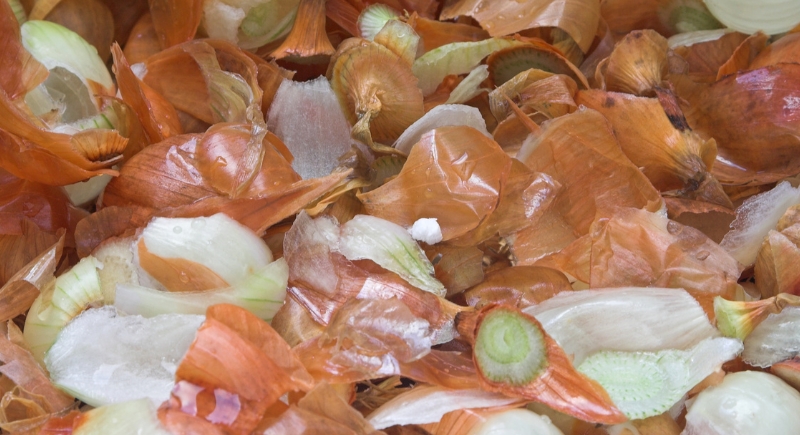
Image via Getty Images/Difydave
Onion skins often end up in the trash despite being completely usable. That adds to a much larger food waste problem, with a significant portion of edible or functional food parts discarded each year.
Using onion skins stretches the value of an ingredient you already paid for. Instead of buying extra seasoning or supplements, you are repurposing something that would have been wasted. Some food producers have taken this idea a step further by incorporating onion skins into commercial products to enhance nutrition while reducing waste.
At home, the process stays simple. Skins can be collected in the freezer until needed, added to broth, steeped for deeper flavor, or dried for later use. Once they have done their job, they can still be composted.
They Deliver More Antioxidants Than the Onion Itself
Interestingly, onion skins hold the highest concentration of antioxidants found in the entire vegetable. The outer layers contain much larger amounts of flavonoids, especially quercetin, compared to the inner flesh most people eat. Red onion skins also contain anthocyanins, the compounds responsible for their deep color.
These antioxidants help neutralize free radicals in the body and support overall cellular health. Research shows that onion skin powder can contain more than ten times the quercetin found in the edible onion layers. That gap explains why food scientists have studied onion skins as ingredients in fortified foods like pasta, bread, and meat products.
You do not need supplements to benefit. Adding clean onion skins to simmering stock or soup allows those compounds to infuse into the liquid. Once strained, the flavor stays behind, and so do the nutrients.
They Add Fiber Where Most Diets Fall Short
Image via Panacreative Studio/Pana Design
Fiber intake remains a challenge for many Americans, and onion skins quietly help fill that gap. Compared to the inner onion layers, the skins contain a much higher proportion of dietary fiber.
Fiber supports digestion, helps regulate blood sugar, contributes to fullness after meals, and plays a role in heart health. Onion skins are especially rich in insoluble fiber, which adds bulk and supports regular bowel movement. That makes them useful as an ingredient rather than something to chew directly.
Grinding dried onion skins into a fine powder creates an easy way to add fiber to soups, sauces, baked goods, or seasoning blends. Used in small amounts, it blends smoothly into recipes without changing texture in an unpleasant way.