What People Ate in the ’60s To Stay Slim
When you see old pictures of folks from the ’60s, do you ever notice how everyone looked so naturally slender? It wasn’t merely good looks or a vintage filter. They lived by some key nutrition principles that are far less common now. We might just find some answers there.
Portion Sizes Reflected Smaller Plates
Credit: flickr
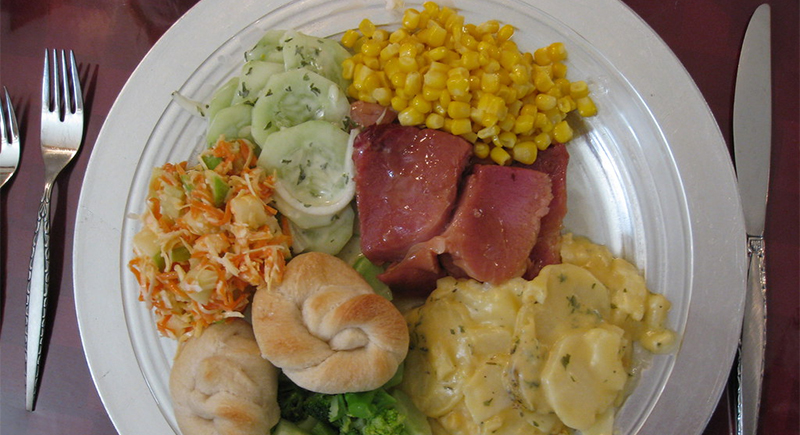
Dinner plates in the 1960s averaged about 8.5 inches, which limited how much food could fit on them. As a result, portion sizes stayed modest without the need for calorie counting. This control over intake helped people eat according to appetite, which reinforced healthy patterns day after day.
Snacks Looked Like Regular Food

Credit: George Dolgikh
Between meals, people often reached for something practical like fruit or a slice of bread. These options provided energy without overwhelming the appetite or confusing hunger signals. Because snacking stayed simple and grounded in routine, it supported daily balance rather than creating a cycle of constant eating.
Meals Began with Raw Ingredients

Credit: Getty Images
In most homes, preparing a meal meant starting with unprocessed foods. Vegetables were trimmed, meats seasoned by hand, and grains measured out with care. This hands-on process slowed things down and encouraged a natural awareness of what was being eaten and how it was prepared.
Grocery Stores Offered Modest Selections

Credit: flickr
Shopping trips involved straightforward decisions, as store shelves focused on essentials. There were very few processed products vying for attention, so people spent less time browsing and more time planning meals around basic staples. This limited variety kept overindulgence in check and made it easier to stick to consistent choices.
Advertising Focused on Home-Cooked Strength
Credit: Wikimedia Commons
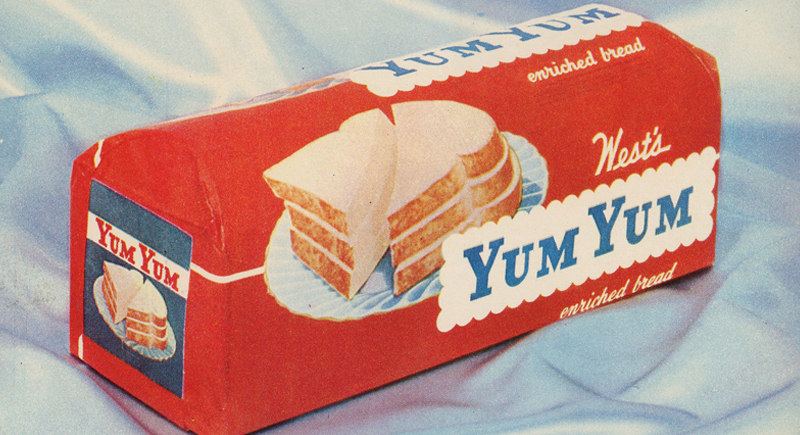
Food marketing leaned into themes of nourishment and daily stability. Campaigns portrayed wholesome meals prepared at home. Instead of highlighting indulgence, ads promoted reliability, which subtly encouraged people to invest time and care into how they fed themselves and their families.
Sugar Stayed Close to Desserts
Credit: flickr
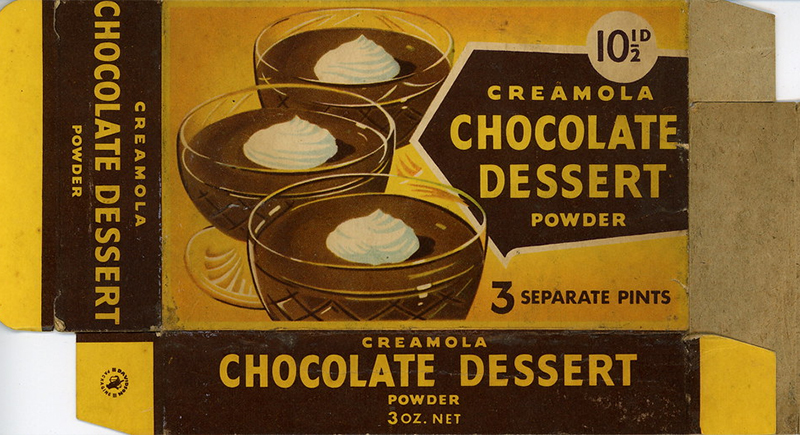
Added sugars only showed up in baked goods and treats meant for specific moments. Breads, sauces, and everyday meals typically didn’t include it. Because sugar remained tied to intentional enjoyment, total intake stayed low and cravings had less influence over daily food decisions.
Dinner Happened at the Same Time Each Evening
Credit: flickr
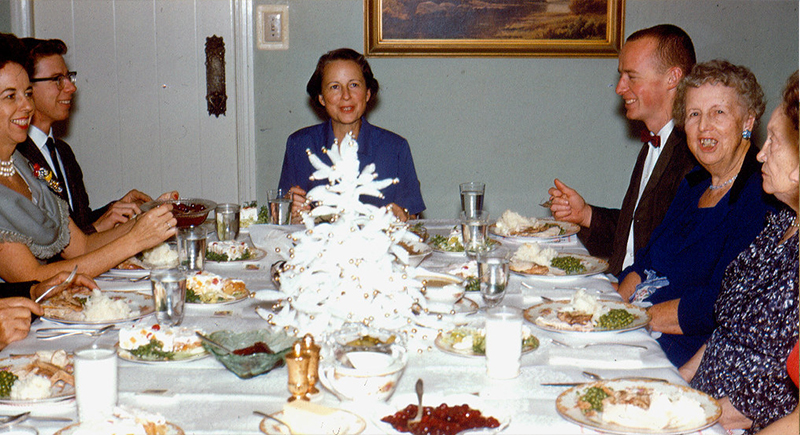
Evenings brought families together around the table, often without distractions. Mealtime followed a pattern and offered structure to the day. This consistency helped people regulate hunger naturally and discouraged grazing or late-night eating, which often disrupts digestion and adds unnecessary calories.
Physical Movement Came from Daily Tasks
Credit: flickr
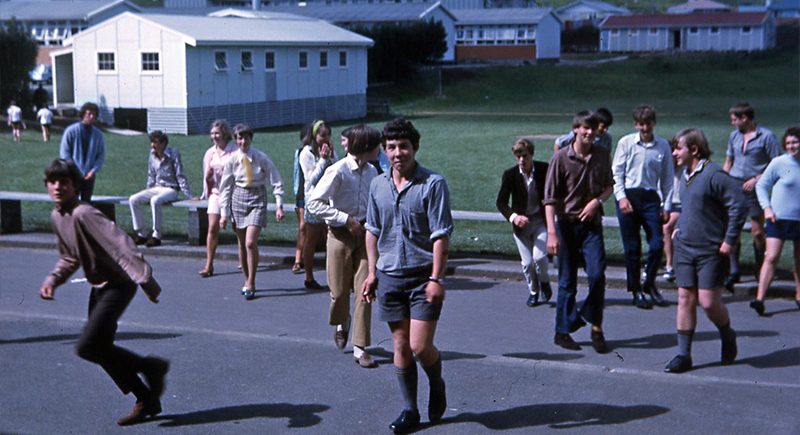
Much of the energy spent each day came from simply living. Walking to school, hanging laundry, or preparing meals all required movement. These moments added up and created an active lifestyle that didn’t depend on formal exercise or planning but still supported strength and weight regulation.
Children Spent Free Time in Motion
Credit: flickr
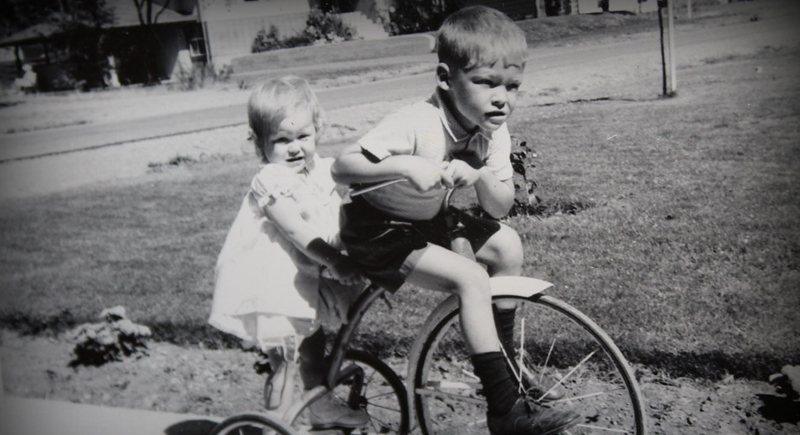
Kids naturally filled their afternoons with activity by biking through the neighborhood or playing in open spaces. Their time outside kept their bodies engaged. This active play helped develop healthy habits and contributed to leaner builds, without being focused on fitness.
Work Demanded Energy Throughout the Day

Credit: pexels
Since technology hadn’t advanced too far, most jobs involved manual labor, like standing, lifting, or moving between tasks. This meant calorie expenditure was built into their routine and made maintaining a healthy weight easier.
Sleep Patterns Aligned with Natural Routines

Credit: Getty Images
Rest followed a steady rhythm, with people turning in shortly after dark and waking early. The regular sleep supported hormones tied to hunger regulation and metabolism. By maintaining a clear boundary between day and night, they also avoided late-night snacking and the fatigue-driven cravings common today.
Meals Satisfied Physical Needs
Credit: flickr
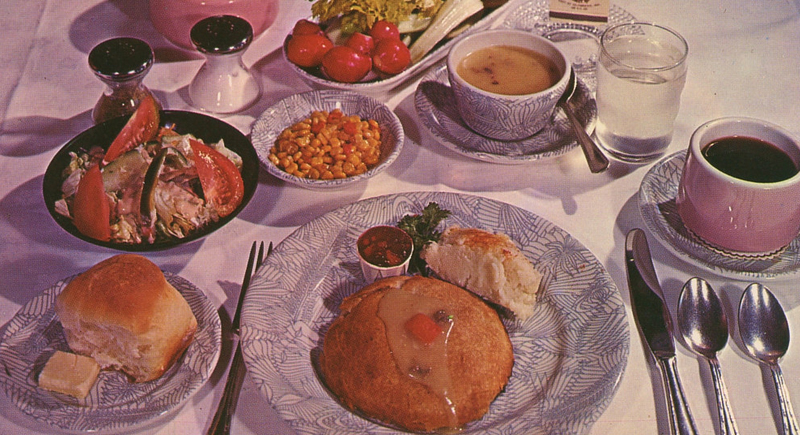
Food addressed energy demands rather than emotion or stress. Meals filled a functional role and aligned with physical hunger. These trends created a healthier relationship with eating, as choices reflected the body’s needs rather than external cues or fluctuating feelings.
Available Produce Matched the Season
Credit: flickr
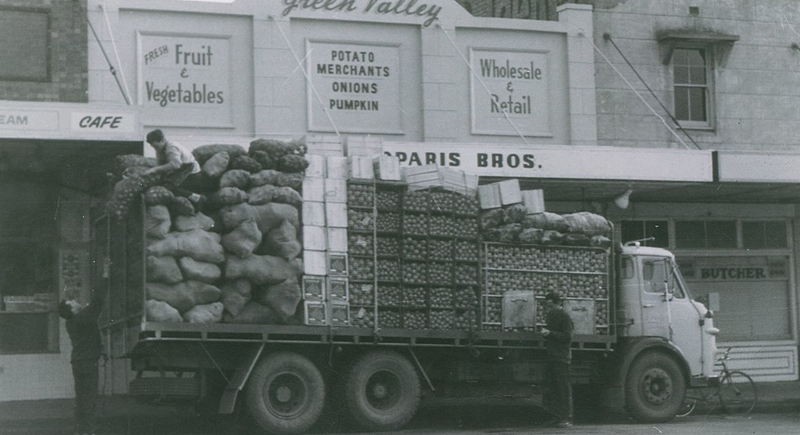
Home cooks relied on what was fresh and local. Seasonal eating shaped meal planning, encouraged variety over time, and kept dishes rooted in natural cycles. There was no reliance on heavily preserved foods.
Packaged Foods Played a Supporting Role
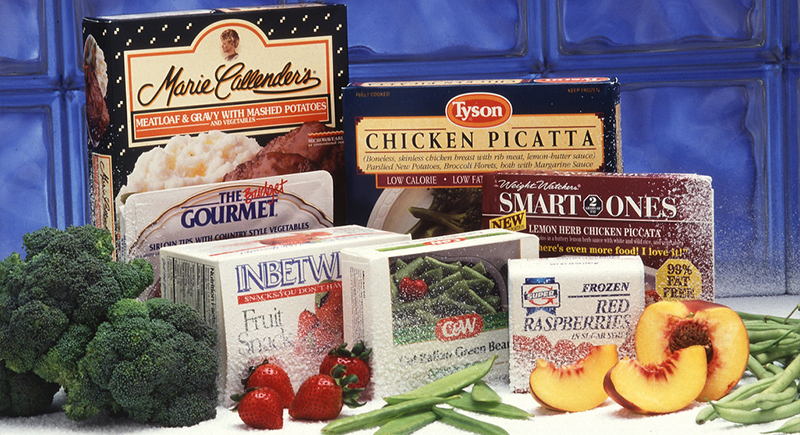
Credit: flickr
Shelf-stable products were available but played a minor role in everyday meals. People reached for canned or frozen items when needed, though fresh ingredients remained central. Because packaged food didn’t dominate, it had little impact on overall diet quality or calorie control.
Eating Habits Came from Observation and Practice
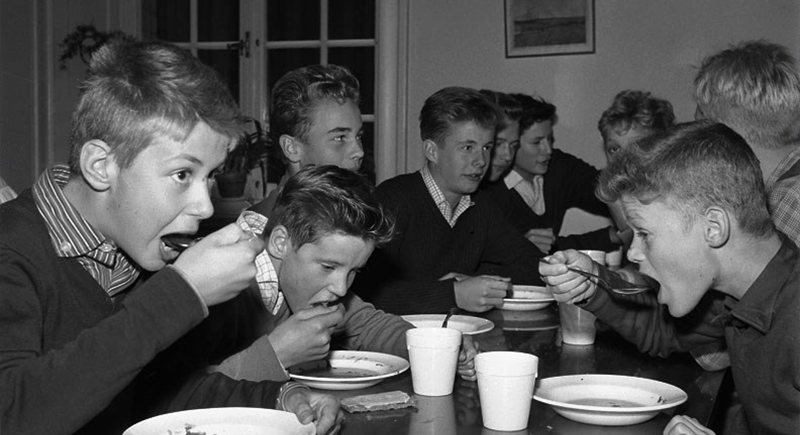
Credit: Wikimedia Commons
Children learned how and what to eat by watching others. Families passed down routines and preferences by building habits over time. Without conflicting advice or constant change, people developed consistent patterns that supported stable, lifelong relationships with food and nutrition.