15 Kitchen Gadgets Pro Chefs Never Use
Restaurant kitchens run on speed, repetition, and precision, and every tool earns its spot because cooks rely on it through hundreds of dishes a night. Professional chefs quickly learn that many gadgets sold to home cooks add extra steps, extra cleaning, and extra clutter. Several chefs share a similar message: strong technique matters more than specialty devices.
The mindset explains why many common kitchen gadgets rarely appear in restaurant kitchens.
Garlic Press
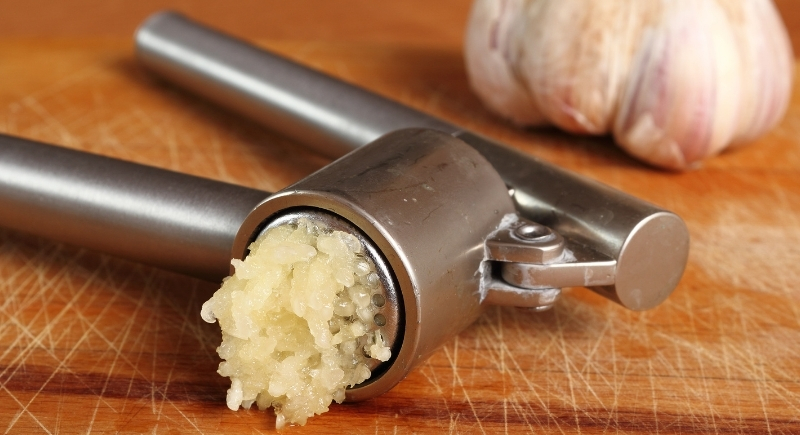
Image via Getty Images/vinicef
This tool appears in countless home kitchens, but chefs skip it. Many cooks still need a knife after pressing garlic, which adds unnecessary steps and dishes. Crushing garlic with the flat side of a chef’s knife works quickly and creates fewer tools to clean.
Onion Holder
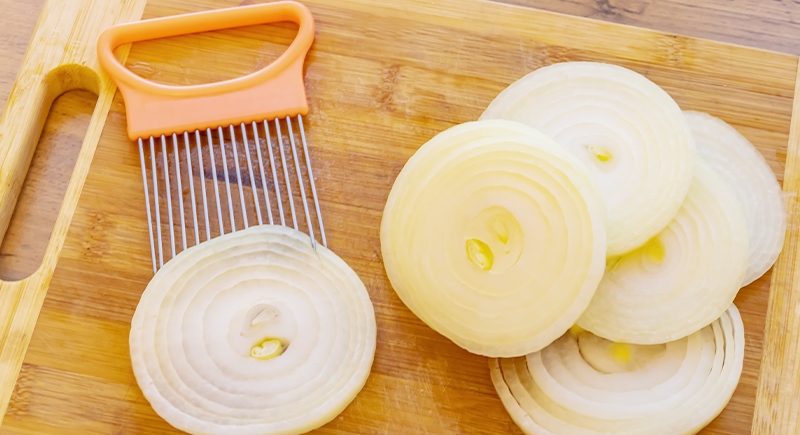
Image via iStockphoto/Marina Sheina
These comb-like gadgets claim to stabilize onions during slicing. But simply cutting the onion in half does the same thing; it creates a flat surface that keeps it steady. The gadget ends up solving a problem that proper knife work already handles.
Mandolin Slicer
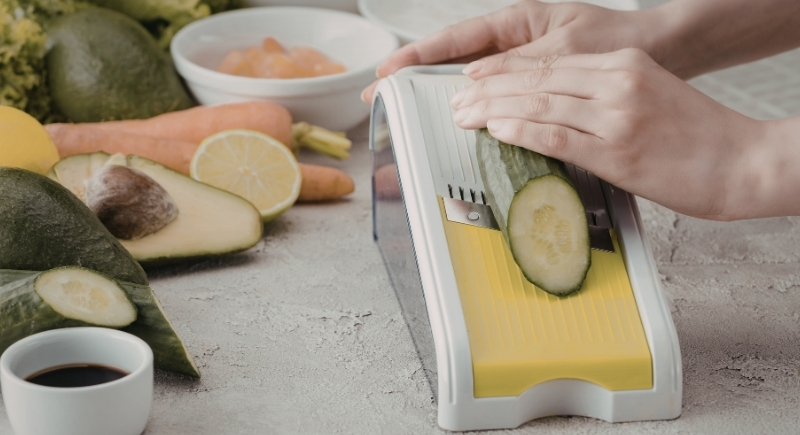
Image via Canva/Moisescu Florentina’s Images
Mandolins slice vegetables thinly and evenly, but many chefs encourage cooks to sharpen their knife technique instead. Skilled knife work gives more control and reduces the cleaning that comes with bulky slicers.
Herb Scissors
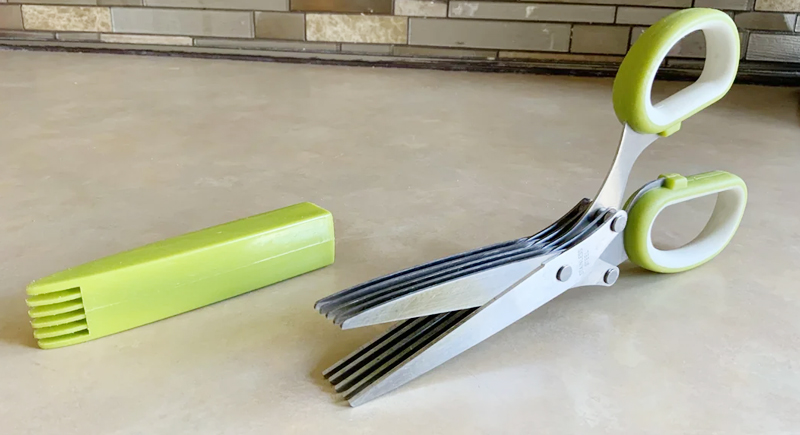
Image via Reddit/Pupper_Squirt
Herb scissors usually have several parallel blades that cut herbs into thin strips in one motion. But many chefs avoid it because, instead of neat slices, soft leaves such as basil or parsley often end up crushed and slightly wet, which dulls their flavor and appearance. A sharp chef’s knife handles the job more cleanly.
Vegetable Dicers
Press-style vegetable dicers promise neat cubes with a single push. That sounds helpful until the cleaning begins. The grid of blades traps bits of onion, carrot, and pepper that need careful scrubbing after every use. Professional chefs develop fast knife techniques that produce the same uniform cuts without adding another bulky tool to the sink.
Avocado Slicer
This gadget attempts to pit, slice, and scoop an avocado in one motion. Some chefs consider it unnecessary. Avocados vary widely in size and ripeness, which means the tool rarely fits perfectly. A chef’s knife splits the fruit cleanly, and a spoon lifts the flesh out in seconds.
Egg Separator
Kitchen stores often sell small tools designed to hold an egg yolk while the whites drip through slits underneath. The task sounds delicate, but cooks have handled it for generations without special equipment. Cracking the egg and passing the yolk between the two halves of the shell keeps the yolk intact while the whites fall into a bowl. Some chefs even use their fingers as a quick strainer.
Garlic Peeler Tube
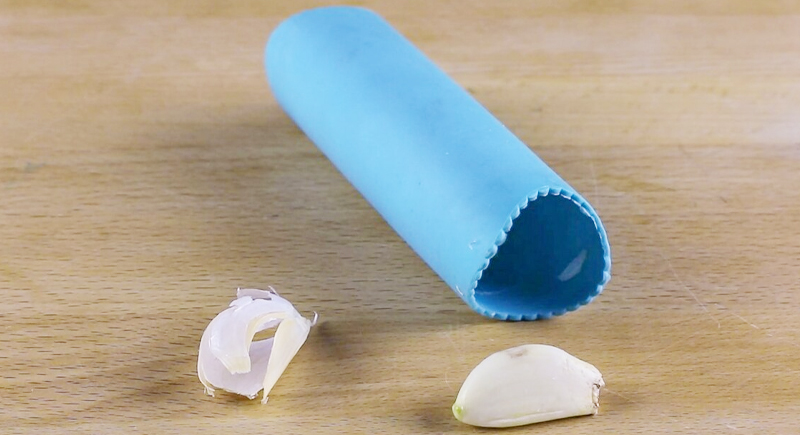
Image via Wikimedia Commons/Raimond Spekking
Silicone tubes claim to peel garlic by rolling cloves inside them. The idea seems clever until cooks realize that garlic skins slip off instantly when the clove gets crushed with the flat side of a knife. That single press loosens the peel and prepares the clove for chopping.
Pasta Measurer
This plastic disk includes holes that measure portions of spaghetti. Each hole represents a different serving size, but experienced cooks rarely need the guide. Chefs learn to judge pasta portions by sight after years of cooking, and many restaurants rely on kitchen scales when precision is needed.
Butter Cutter
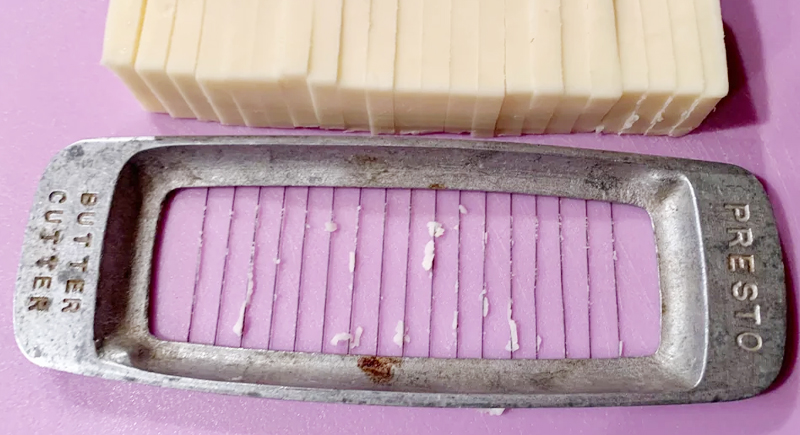
Image via Reddit/OysterMoysture
Some gadgets slice sticks of butter into tidy, identical squares. While the tool looks convenient, chefs usually reach for a simple butter knife. Butter softens quickly at room temperature, so cutting a portion takes only a quick swipe of the blade.
Onion Goggles
Cutting onions releases sulfur compounds that react with moisture in the air and create the sting that brings tears. Goggles attempt to seal the eyes away from those vapors, but many chefs say the fix is simpler. A sharp knife reduces the amount of cell damage in the onion, and good airflow pushes the vapors away from the cook. Opening a window or running a fan also helps keep the kitchen comfortable without wearing protective eyewear.
Glass or Stone Cutting Boards
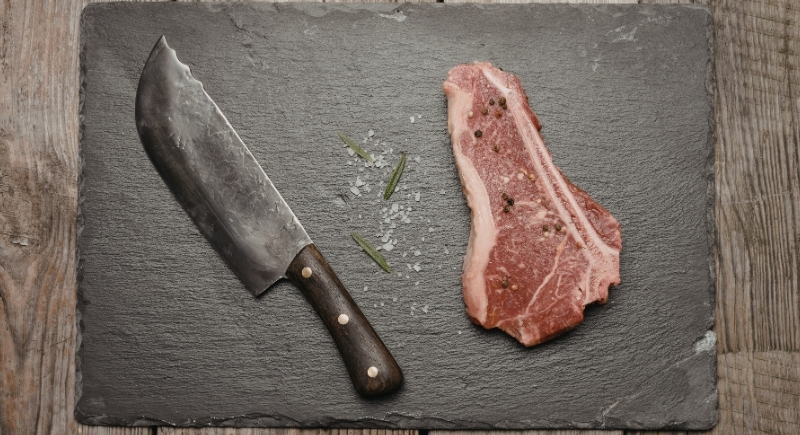
Image via Canva/Anton Nita’s Images
Cutting boards made of glass, stone, or metal may look sleek on a countertop, but they punish knives. Every chop against a hard surface dulls the blade edge a little more. Restaurant kitchens depend on sharp knives for speed and accuracy, so chefs avoid materials that wear blades down quickly.
Pull-Through Knife Sharpener
These sharpeners use fixed slots that grind the blade when a knife is pulled through them. The process works quickly, though many chefs warn that the slots can scrape the edge unevenly and create tiny chips. Professional kitchens often maintain knives with a honing rod and a whetstone instead. The rod straightens the blade, while the stone restores a clean, sharp edge that lasts longer.
Electric Can Opener
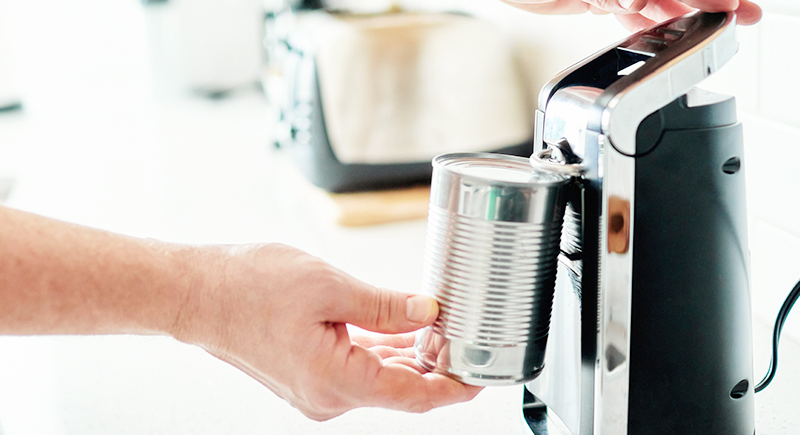
Image via iStockphoto/CatLane
Electric openers take up space and often struggle with cans that have unusual shapes. A manual opener performs the same task with a small handheld tool that fits easily in a drawer. Fewer moving parts also mean fewer breakdowns over time.
Oven Mitts
Many home kitchens keep thick oven mitts hanging near the stove. Professional cooks often prefer folded kitchen towels instead. A towel wraps naturally around pan handles and allows a stronger grip when lifting heavy pots or sheet trays. They also wash easily after use.