15 Essentials for Dropping Weight When You’re Over 40
Navigating weight loss after 40 can feel like uncharted waters. Your metabolism slows, energy levels dip, and those once-manageable cravings now seem to have a mind of their own. But here’s the great news: with smart strategies, you can still hit your health goals and feel incredible—no matter your age. Let’s break down the best tips to help you stay on track and see lasting results.
Make Protein Your Partner in Crime
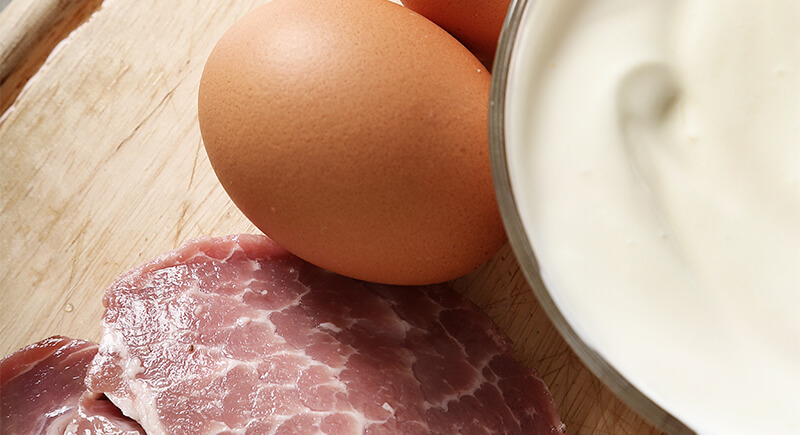
Credit: Freepik
Protein is your secret weapon as you age. It helps you stay fuller for longer and keeps your muscles strong, which is critical since muscle mass naturally declines over time. Think lean meats, eggs, or a creamy Greek yogurt. These foods do more than just fuel your body—they’re key to staying strong and energized.
Strengthen Your Body, Strengthen Your Future
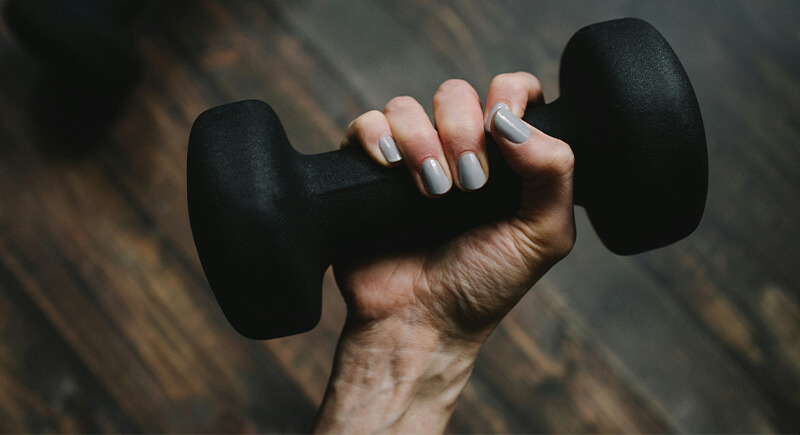
Credit: Unsplash
After 40, maintaining muscle is non-negotiable. Strength training isn’t about bulking up; it’s about preserving muscle mass, boosting your metabolism, and reducing the risk of injury. Just a few sessions with free weights or resistance bands each week can make a huge difference in how you feel and move.
Drink Water Like It’s Your Job

Credit: Pexels
Hydration does more than quench your thirst—it curbs unnecessary snacking and keeps your body running like a well-oiled machine. Kick off your day with a big glass of water and keep a bottle within arm’s reach throughout the day. It’s a simple habit that delivers major benefits.
Sleep Smarter, Not Longer

Credit: Pexels
Poor sleep wreaks havoc on your hormones, making it harder to shed those extra pounds. Late-night screen time or snacking? Both can disrupt your rest. Prioritize quality sleep—seven to nine hours a night—and you’ll notice the difference in your energy, mood, and waistline.
Don’t Let Stress Win
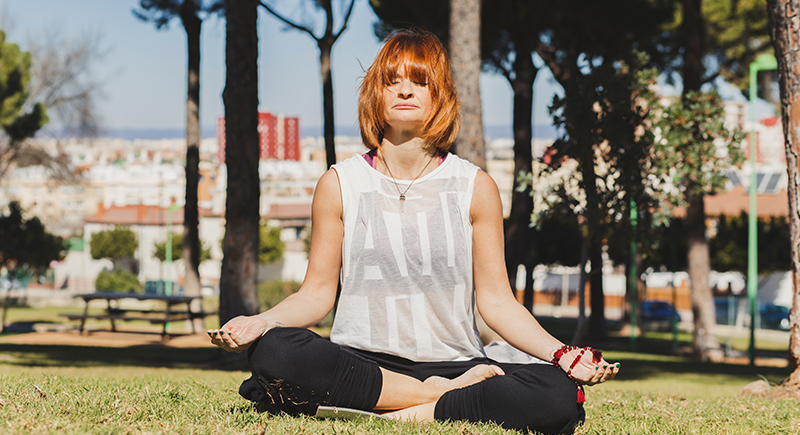
Credit: freepik
Stress not only makes life tougher, but it also makes weight loss harder. High cortisol levels trigger cravings for comfort foods, leaving you stuck in a cycle. Break free by finding simple ways to relax: a quick walk, meditation, or even just listening to your favorite playlist. Balance is the name of the game.
Stay Mindful About What You Eat
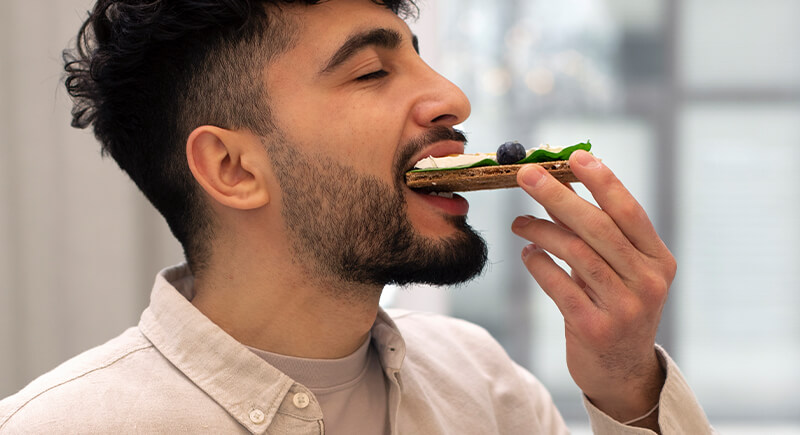
Credit: Freepik
Eating without paying attention—whether it’s at your desk, in front of the TV, or on the go—leads to overeating. Slow down. Savor your meals, chew thoroughly, and listen to your body’s cues. Mindful eating isn’t just about slowing down; it’s about reconnecting with your needs.
Rethink Refined Carbs
Credit: Unsplash
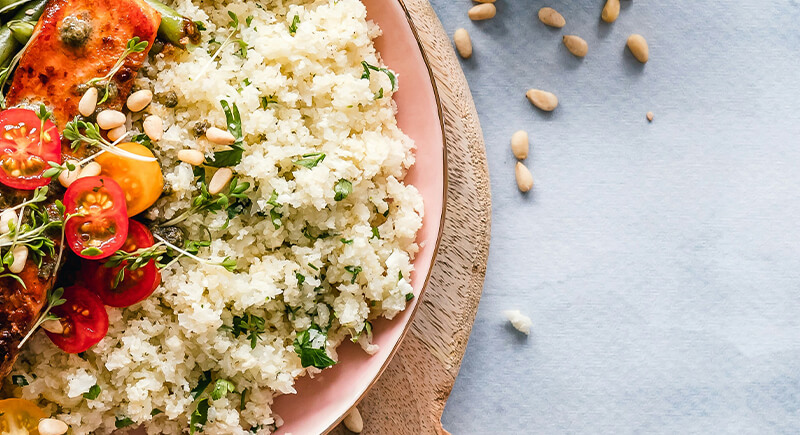
Refined carbs, like that morning bagel or mid-afternoon cookie, cause your blood sugar to spike and crash, leaving you drained and hungry. Instead, opt for whole grains, quinoa, or sweet potatoes. These swaps keep your energy steady and help you feel fuller longer.
Let Healthy Fats Work for You
Credit: Unsplash
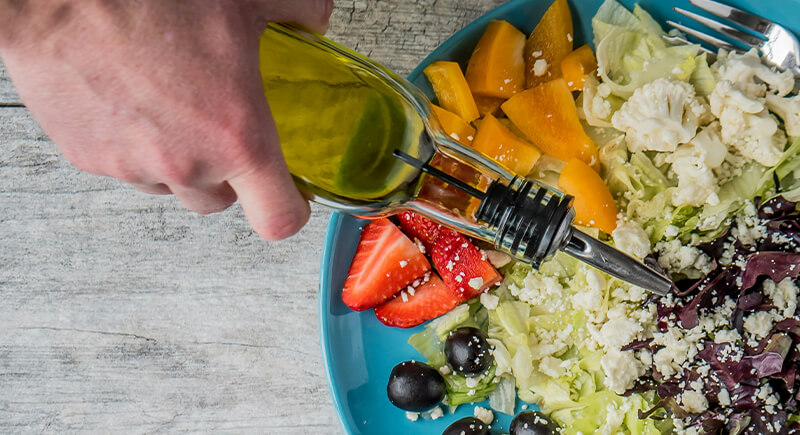
Healthy fats, like those from avocados, nuts, and olive oil, aren’t indulgences—they’re essentials. They keep you satisfied and support your overall health. Add them to meals to stay full and avoid reaching for junk later.
Fiber: Your Fullness Friend
Credit: Pexels
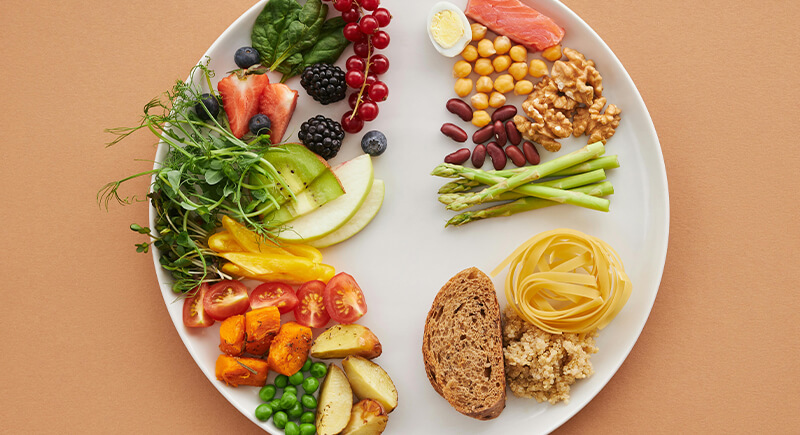
High-fiber foods—berries, lentils, leafy greens—are game-changers. They aid digestion and keep you full longer, helping you avoid unnecessary snacking. Sneak them into meals from oatmeal at breakfast to roasted veggies at dinner.
Reclaim Your Evenings

Credit: Pexels
Late-night snacking is a tough habit to break, but it’s worth it. Your metabolism slows down at night, so keeping evening meals light can make a big impact. Try a cup of herbal tea to signal your brain that the kitchen is closed.
Cut Back on Cocktails

Credit: Unsplash
Alcohol is loaded with empty calories and can derail your weight-loss efforts. While you don’t need to cut it out completely, keep it occasional. A glass of wine on the weekend? Sure. Every night? Maybe rethink that.
Try Time-Restricted Eating
Credit: Freepik
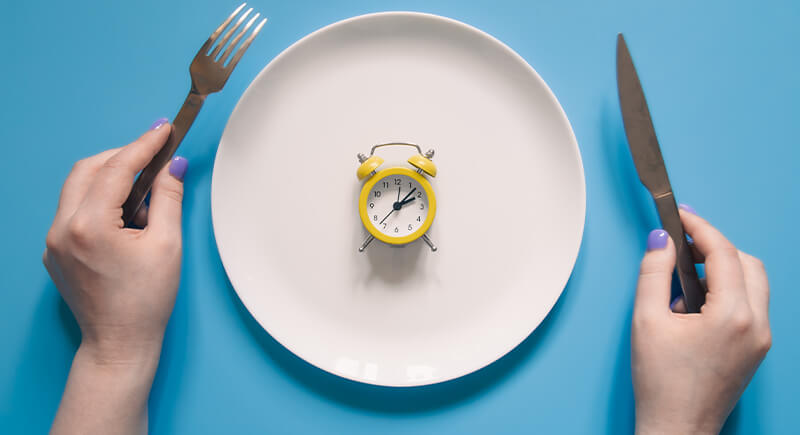
Intermittent fasting isn’t just a fad; it’s a tool that helps many people manage their weight. By limiting your eating window—say, from 10 a.m. to 6 p.m.—you can reset your body’s rhythm and encourage fat burning. Start small and see how it works for you.
Lean on a Support System

Credit: Pexels
Birds of a feather flock together, and the same goes for your health journey. Surround yourself with people who encourage your goals. Whether it’s a workout buddy or an online group, having a support system can make the process more enjoyable and sustainable.
Get Active Hobbies

Credit: Pexels
Exercise doesn’t have to mean hitting the gym. Find hobbies that get you moving: hiking, tennis, dancing, or even gardening. These activities not only help you stay fit but also add fun to your routine.
Be Consistent

Credit: iStockphoto
The hardest part of weight loss isn’t starting—it’s sticking with it. Whether it’s a new eating habit or workout routine, consistency is key. Start small, build gradually, and celebrate every step forward. Over time, these small efforts add up to big changes.