14 Sneaky Clues Your Body Is Begging for Hydration
Dehydration can be sneaky, especially during winters when we tend to feel less thirsty. The chilly weather masks our need for water, as we sweat less and often opt for warm beverages over hydrating fluids. However, your body still relies on adequate hydration to function properly, even in colder months. Recognizing the subtle signs of dehydration is key to staying healthy year-round. Here are some surprising indicators that your body might be craving more water.
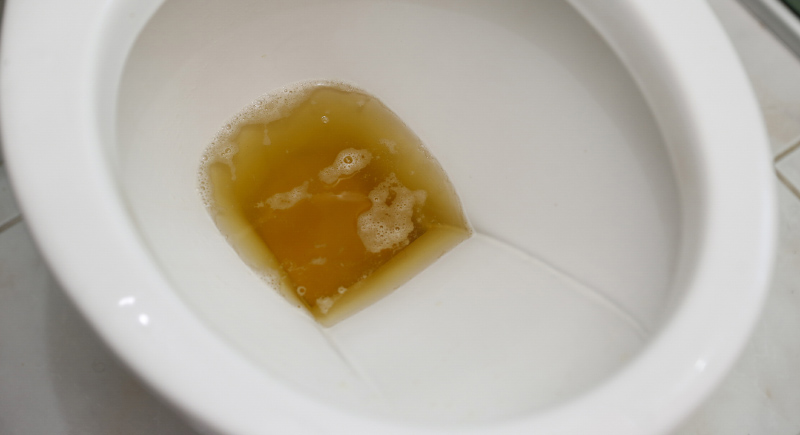
Dark Urine
Credit: iStockphoto
Dark urine essentially means your body is prioritizing survival by retaining water. Historically, urine color was used as a hydration test in early medicine. A consistently dark shade may even signal issues, like kidney stress, that require you to evaluate your daily fluid intake habits.
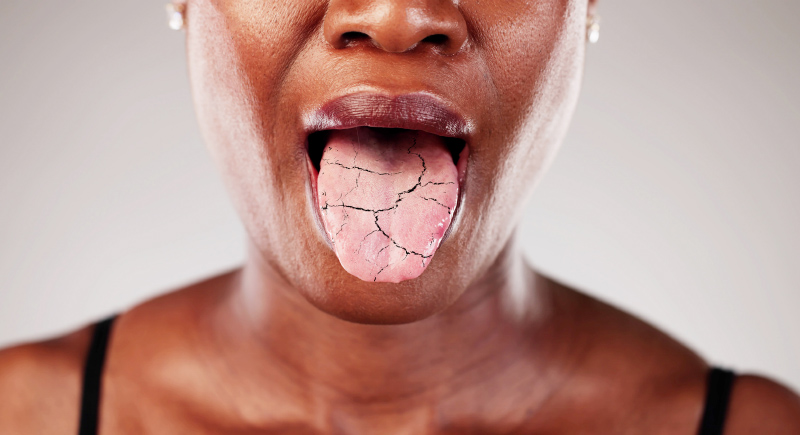
Dry Mouth
Credit: iStockphoto
Saliva protects your mouth from harmful bacteria and aids digestion. A lack of saliva due to dehydration creates the perfect environment for germs to thrive and increases the risk of cavities and gum issues. Beyond the discomfort, a dry mouth can also affect your ability to taste food properly.
Fatigue

Credit: pexel
When you’re dehydrated, your heart and lungs work harder to maintain circulation and oxygen delivery. This extra effort drains your energy faster. During wartime, soldiers often used fatigue as an indicator of dehydration, especially when water supplies were scarce in extreme conditions.
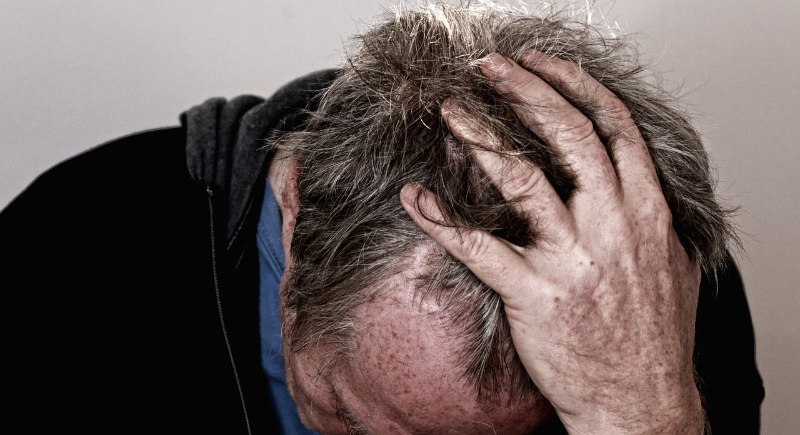
Headaches
Credit: pixabay
Dehydration headaches have a unique origin—reduced fluid around your brain puts pressure on pain receptors. This phenomenon was studied in athletes, where even mild dehydration led to increased headache frequency after strenuous activity.
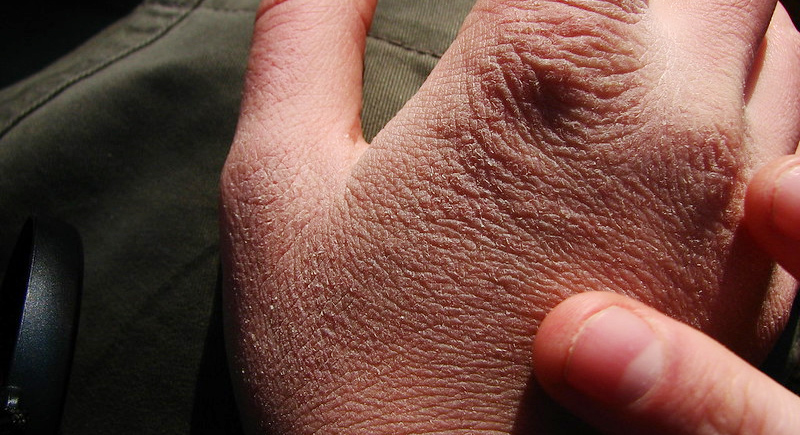
Dry Skin
Credit: flickr
Unlike skin dryness from cold weather, dehydration reduces your skin’s natural elasticity and healing ability. This isn’t just cosmetic; prolonged dehydration can lead to a weaker skin barrier and make you more prone to infections or irritants.
Constipation

Credit: iStockphoto
Lack of water in the body means your colon absorbs excess liquid from waste, which leads to hard stools and slower bowel movements. Chronic dehydration can even disrupt gut bacteria balance, which affects more than digestion—studies suggest it can impact immunity and mental health.
Dizziness

Credit: iStockphoto
Dehydration can cause your blood volume to decrease and lower your blood pressure. This triggers lightheadedness, especially during sudden movements. For athletes or older adults, this effect increases the risk of fainting.
Rapid Heartbeat
Credit: pexel
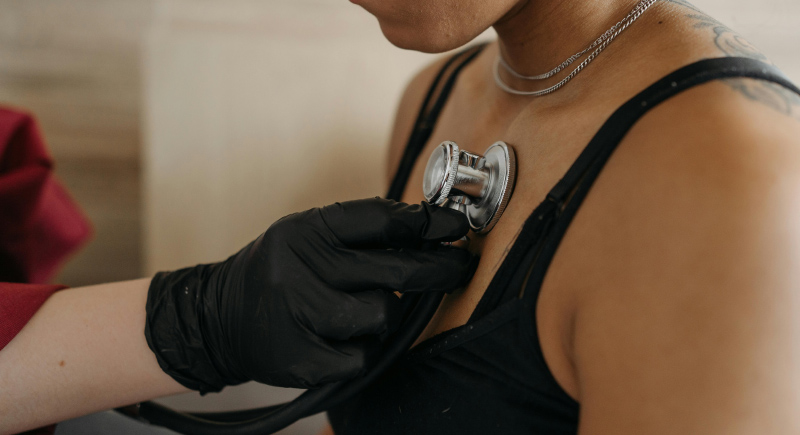
As mentioned previously, when there’s less fluid in your system, your blood thickens and makes your heart work harder to maintain normal circulation. This additional strain is a quiet stressor on your cardiovascular health, particularly in extreme heat or during physical exertion.
Muscle Cramps
Credit: flickr
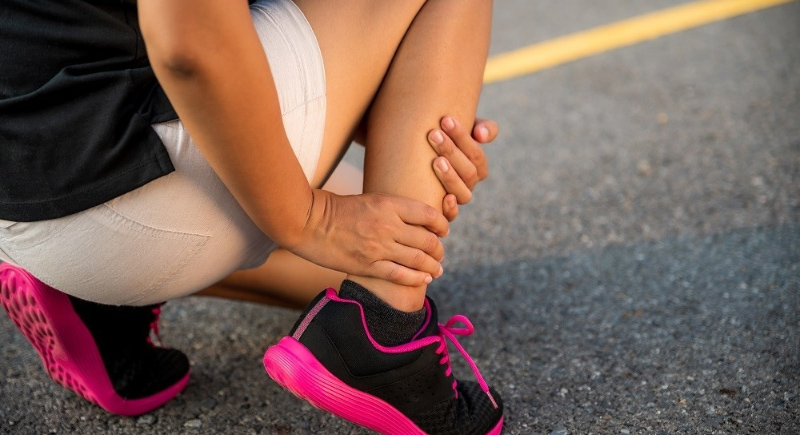
When water levels drop, your body struggles to maintain an electrolyte balance. This causes nerve signals to misfire, leading to painful muscle contractions. In fact, historically, miners and laborers relied on salty drinks to combat cramps during physically demanding work in hot conditions.
Bad Breath
Credit: iStockphoto
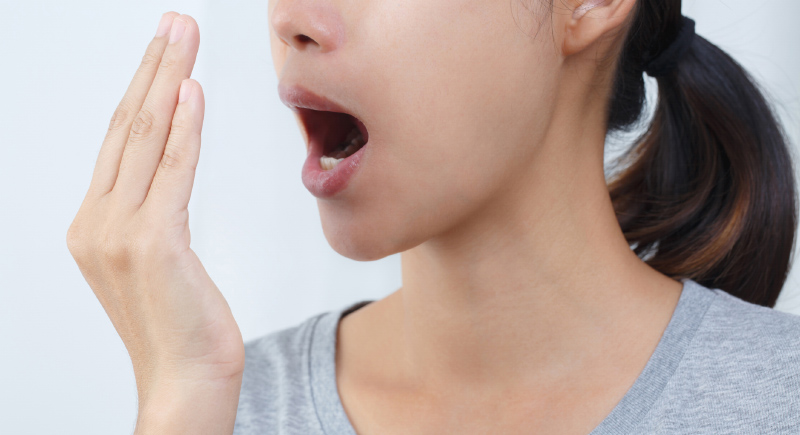
Without enough saliva to wash away food particles and bacteria, your mouth becomes a haven for odor-causing microbes. Dentists often cite dehydration as a hidden cause of chronic bad breath.
Overheating
Credit: iStockphoto
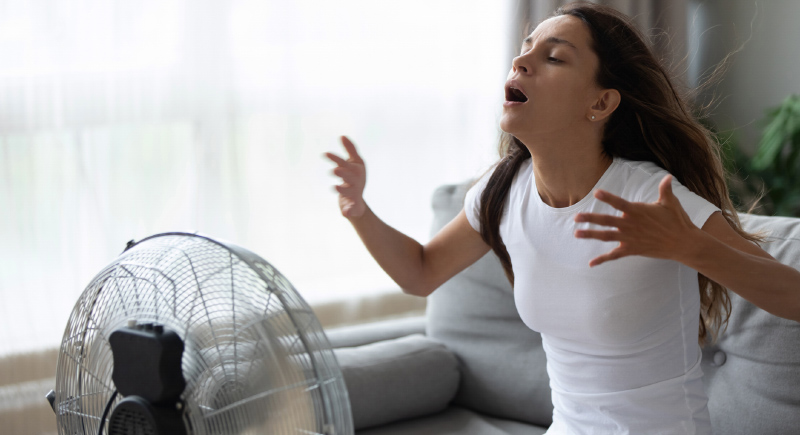
Sweating regulates your temperature, but low fluid levels disrupt this process. Overheating was a common issue for soldiers in desert climates, where staying hydrated meant the difference between maintaining focus or succumbing to heatstroke during critical missions.
Hunger Pangs

Credit: pexel
Your hypothalamus, the brain’s control center, often confuses thirst with hunger. This mix-up explains why you may crave snacks after meals. It’s a fascinating quirk of human biology, that shows just how tightly thirst and hunger cues are linked in our survival instincts.
Mental Fog

Credit: pexel
Cognitive functions, such as memory and focus, slow down when your brain is low on water. Experiments with students show that even a 2% dehydration level can impair attention and problem-solving. Proper hydration directly supports mental sharpness.
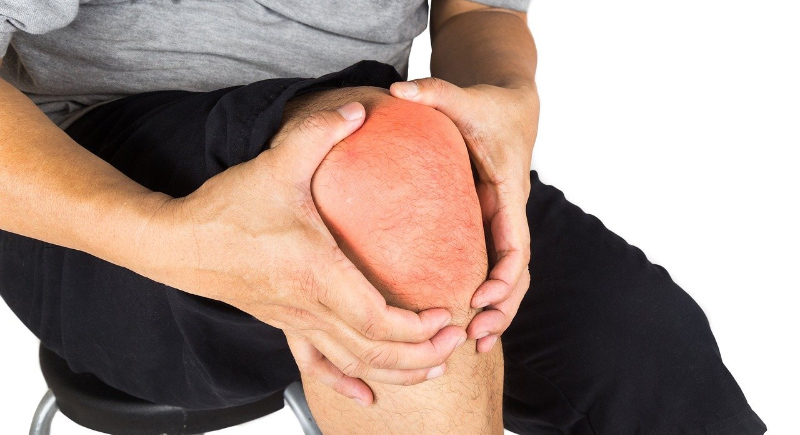
Joint Pain
Credit: pixabay
Your joints depend on synovial fluid to absorb shock and reduce friction. Dehydration reduces this fluid and makes every movement feel stiffer and less smooth. Over time, this can contribute to joint wear, especially in physically active individuals or those with arthritis.
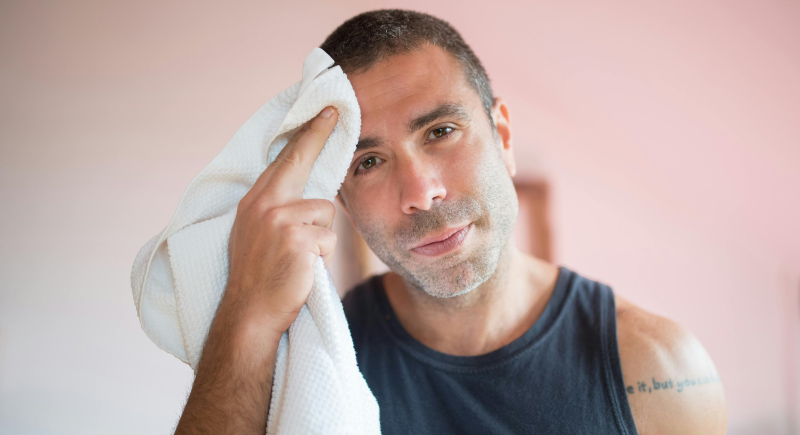
Low Sweat Levels
Credit: pexel
When sweat production drops during exercise or heat exposure, your body is saving internal fluid. This can quickly escalate into heat exhaustion or dehydration-related illnesses, which is also why monitoring sweat loss during intense activity is critical.