10 Wild Culinary School Secrets That Will Turn Your Kitchen Into A Five-Star Restaurant
A surprising number of home kitchens fail when it comes to control, but professional kitchens train for this early. Culinary programs have spent decades refining small habits that fix issues quickly, and many of those problems never make it into everyday recipes, even though they affect how food turns out. The difference between a decent meal and something that feels restaurant-level often comes down to a few adjustments that most people skip or aren’t even aware of.
Taste Before It’s Too Late

Image via Getty Images/pabst_ell
Every strong kitchen starts with constant tasting. Chefs check food as it cooks, not just at the end, because flavor changes at every stage. A soup that feels flat can snap into focus with a splash of acid, while a sauce might need salt long before plating. Waiting until the final minute leaves fewer options to fix anything, and this one habit alone prevents most bland meals.
Salt With Intention, Then Balance It
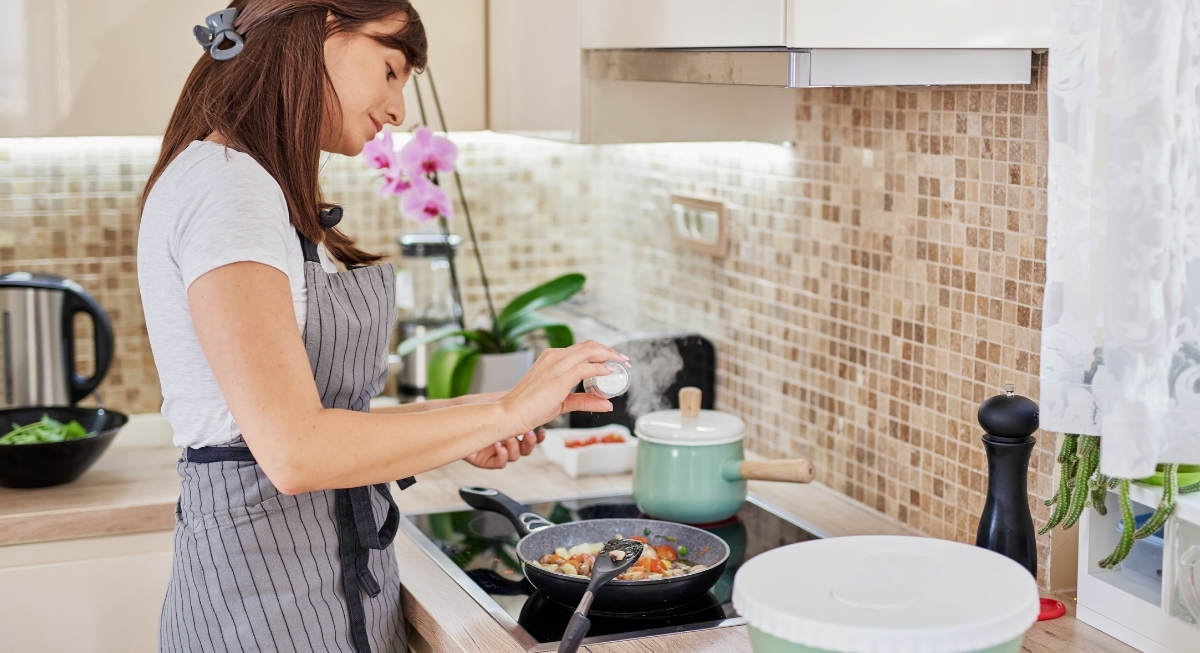
Image via Getty Images/nesharm
Salt works best when layered, not dumped in at the end. Seasoning water for pasta or vegetables, adding small amounts during cooking, and finishing with a light sprinkle builds depth instead of surface flavor. When things go too far, acid can be brought in. Lemon juice or vinegar cuts through excess salt and brings everything back into balance without starting over.
Dry Ingredients Before They Hit the Pan
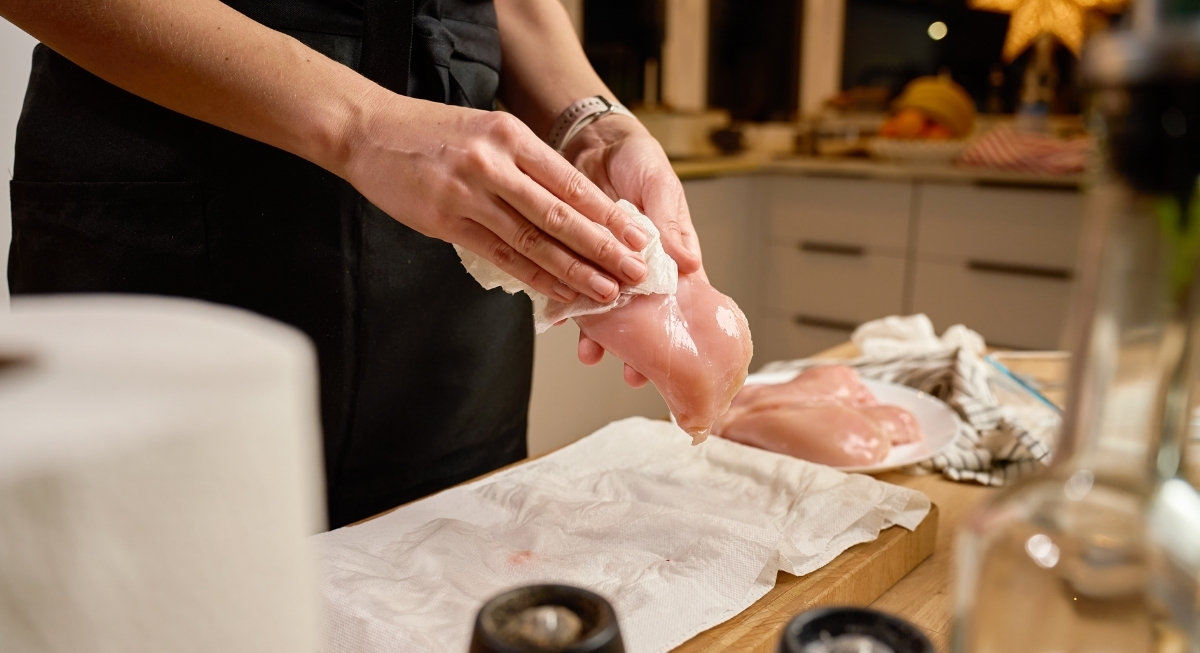
Image via Canva/aliaksandrbarysenka
Moisture blocks browning, and meat, fish, and vegetables need to be dried with paper towels before cooking, or they steam instead of searing. This step affects texture, color, and flavor. Crispy skin and deep caramelization only happen when surface moisture is removed first.
Stop Crowding the Pan
A packed pan traps steam and kills any chance of a proper sear. Spacing ingredients out allows heat to circulate and creates that golden crust people expect from restaurant dishes. Cooking in batches takes a little longer, but the payoff shows up immediately and is worth it, in both flavor and texture.
Heat Isn’t a Race
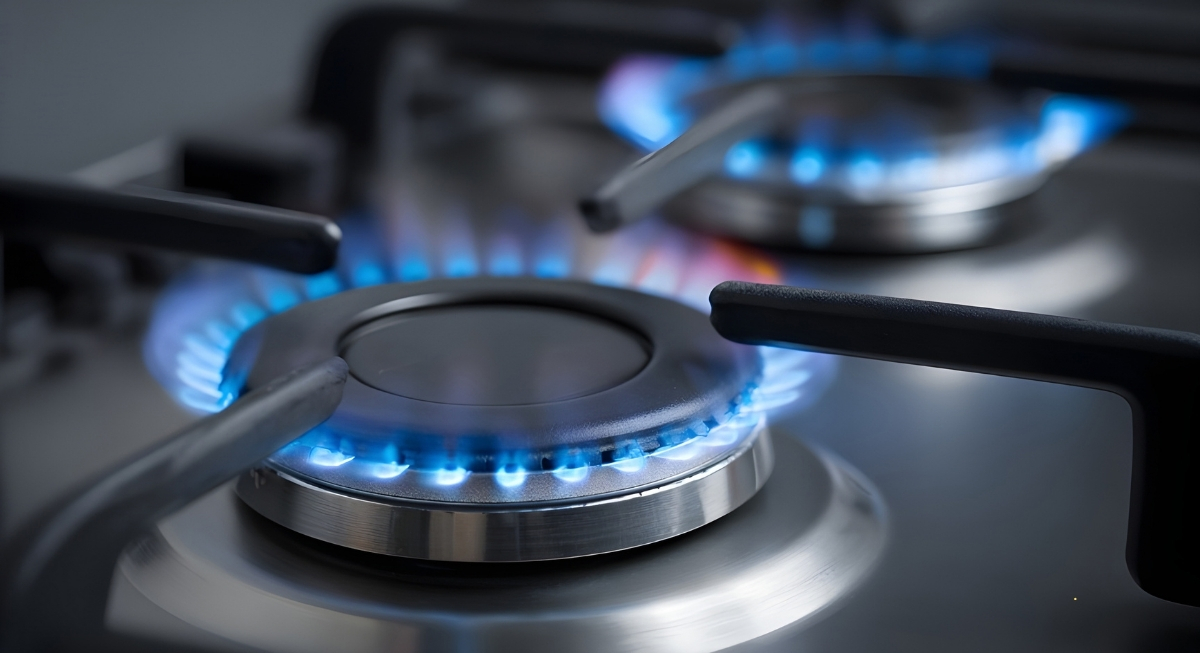
Image via Canva/Изображения пользователя Axel Makhalov
Turning the burner to high does not speed things up in a useful way. Medium or medium-low heat often produces better results because it allows food to cook through evenly. Aromatics like onions and garlic develop sweetness at lower heat, while high heat can burn them before their flavors build. Knowing when to slow down changes everything.
Use Your Senses, Not Just the Timer
Cooking times vary based on equipment, pan size, and heat level. That’s why chefs rely on sight, sound, and smell. A pan can change from a loud hiss to a steady crackle as moisture evaporates, and aromas deepen as ingredients cook. Those signals tell you more than any timer ever will.
Get Organized Before You Start
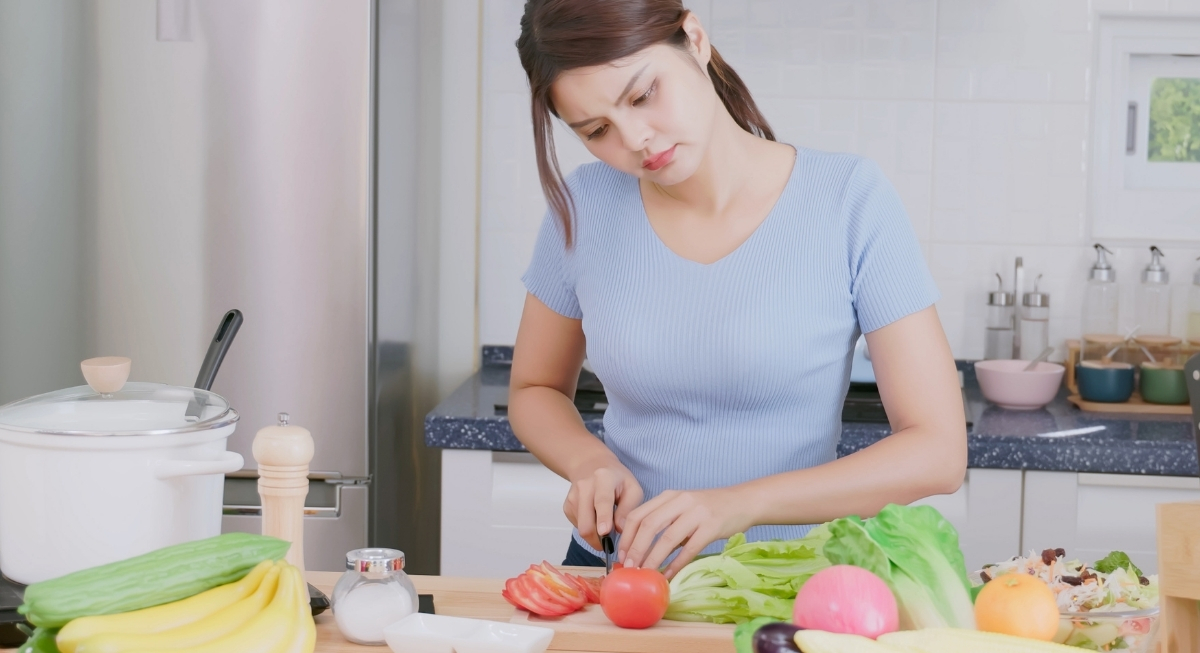
Image via Getty Images/PonyWang
Professional kitchens run on preparation. Having ingredients chopped, measured, and ready keeps everything moving without scrambling. Clearing space on the counter and keeping tools within reach reduces mistakes and wasted time. It also makes cooking feel faster, even when the recipe stays the same.
Keep Your Workspace Clean While You Cook
Speed comes from control, and control comes from order. Wiping surfaces, clearing spills and scraps, and putting tools away as you go keep the kitchen usable throughout the process. A cluttered workspace slows every step and makes it harder to focus on the food itself.
Sharp Tools Are A Game Changer

Image via Canva/Alexander’s Images
A sharp knife requires less force, which makes it safer and more precise. It also helps speed up prep. Dull blades slip, crush ingredients, and slow down even simple tasks. Keeping knives sharp or having them professionally maintained is one of the easiest upgrades any kitchen can make.
Finish With Texture, Not Just Flavor
Taste is important, but texture decides how a dish feels. A smooth soup becomes more interesting with something crunchy on top, and a salad gains contrast with crisp elements mixed in. Even a pinch of flaky salt can add a light crunch that changes how each bite feels. The final detail is often what separates a good dish from one that feels complete.