10 Ways Trader Joe’s 2026 Expansion Stands Out From Other Grocery Chains
Adding new locations to a grocery chain is routine, but this isn’t. Trader Joe’s isn’t expanding the way most grocery chains do. In 2026, new stores are opening in carefully chosen neighborhoods. The company still avoids online ordering, keeps a limited product range, and relies heavily on private-label items. The approach keeps costs predictable and demand high, which is why each new location tends to draw immediate attention.
The Numbers Are Bigger Than Expected
Image via iStockphoto/AKart Design
Trader Joe’s has confirmed plans to open up to 18 new stores across 12 states, with earlier reports also pointing to at least 10 locations already in the pipeline. This kind of pace signals confidence. It also suggests that demand hasn’t reduced, even as grocery prices remain unpredictable across the country.
The Expansion Is Hitting a Wide Mix of States
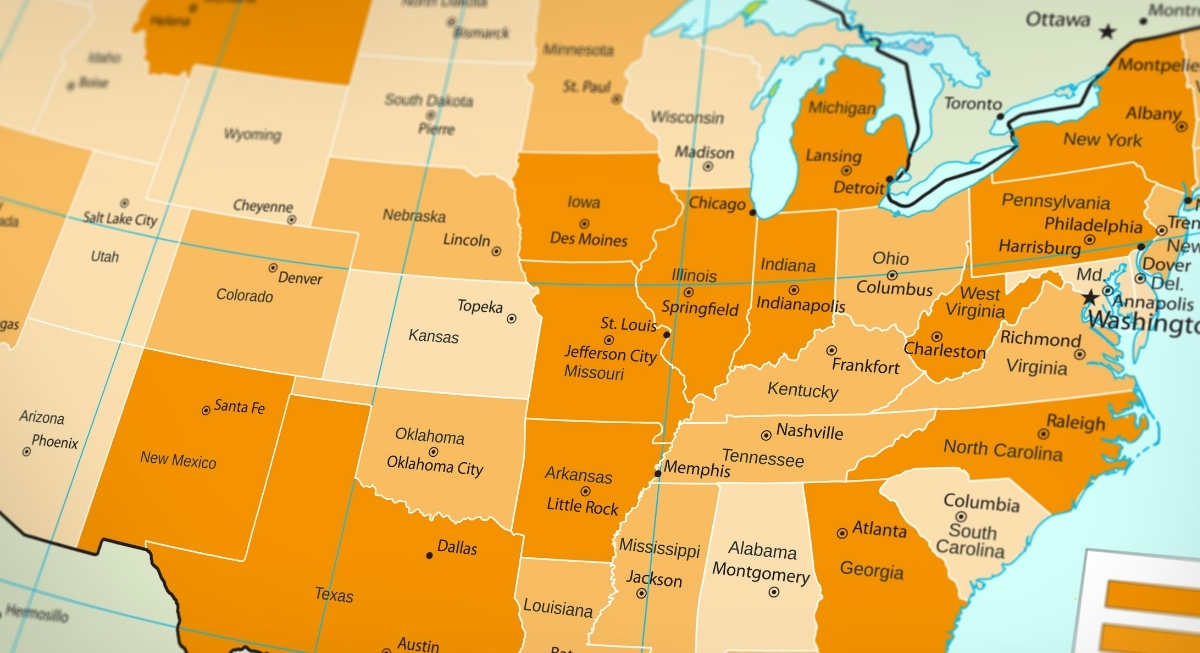
Image via Getty Images/SpiffyJ
New stores are heading to Arizona, California, Florida, Georgia, Illinois, Louisiana, Kansas, Massachusetts, New Jersey, Texas, Utah, and Washington. The spread shows the brand is strengthening both coasts and simultaneously filling gaps in the middle of the country.
Some States Are Getting Multiple Locations
A few regions are getting extra attention. Louisiana is set for three new stores in Lafayette, Mandeville, and New Orleans. Washington also has three, including Seattle, Spokane Valley, and Woodinville. The clustering strategy usually points to strong local demand. It also makes it easier for shoppers to access a store without driving across town.
The Growth Has Been Building for Years

Image via Pixabay/SteveBlakeConcreting
This move didn’t come out of nowhere. Trader Joe’s added close to 100 stores across 2023 and 2024, pushing its total footprint past 600 locations nationwide. Now in 2026, it’s continuing that same steady expansion.
It’s Still Not Everywhere Yet
Even with all that growth, several states still don’t have a single Trader Joe’s location. Alaska, Mississippi, Montana, North Dakota, South Dakota, West Virginia, Wyoming, and Hawaii remain untouched. But each expansion wave brings the brand closer to becoming truly nationwide.
New Stores Are Already Opening Ahead of Schedule

Image via Canva/AndreyPopov
The company hasn’t waited for these upcoming launches to get moving. Locations in Hamden, Connecticut, and Miller Place, New York, have already opened in early 2026. The early momentum says the rollout is already happening in real time.
Customer Demand Drives the Strategy
Trader Joe’s recently scored 86 points in the American Customer Satisfaction Index, beating major grocery competitors and even improving its score from 2025. This kind of rating isn’t easy to maintain, especially at scale. It explains why the company feels comfortable adding more stores without changing its core formula.
The Brand Still Relies on Its In-Store Experience
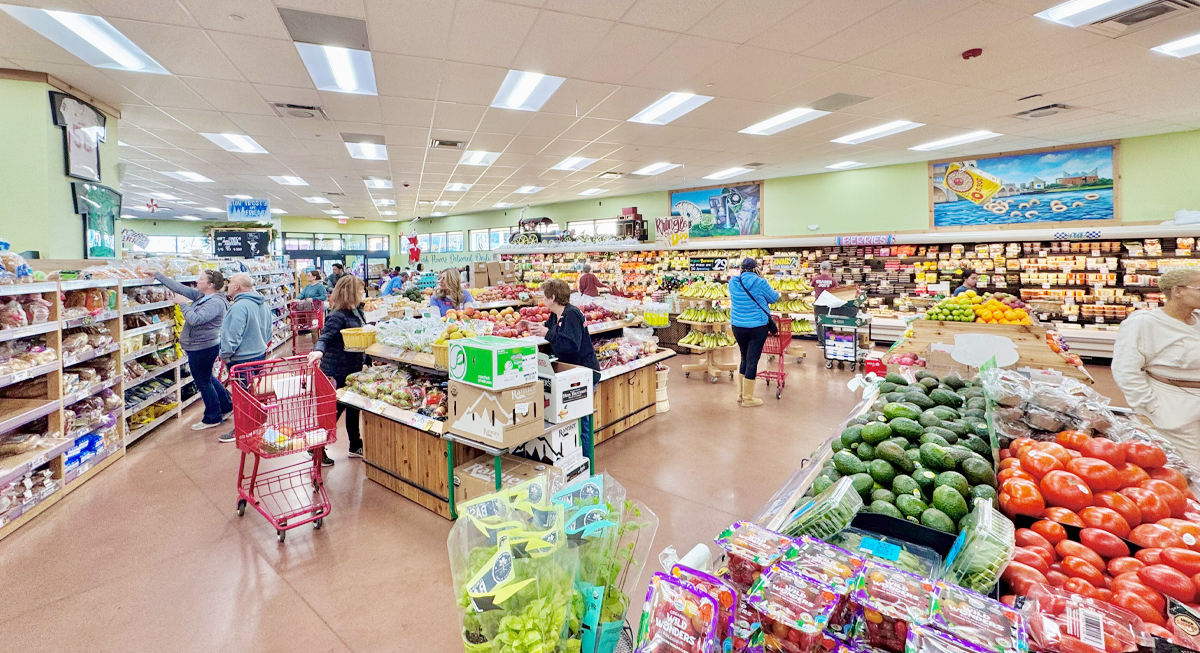
Image via Wikimedia Commons/Harrison Keely
While expansion ramps up, Trader Joe’s still avoids things most chains lean on, like grocery delivery or heavy digital integration. Walking through the store, discovering new items, and interacting with staff remain central to how it operates. The approach keeps the experience consistent, even as the footprint grows.
What the Brand Still Won’t Fix
More locations address access issues, but they don’t fix long-standing frustrations. Shoppers still deal with limited parking at many stores, missing inventory updates online, and a lack of basic staples, such as certain sauces.
It Reinforces Trader Joe’s Unique Playbook
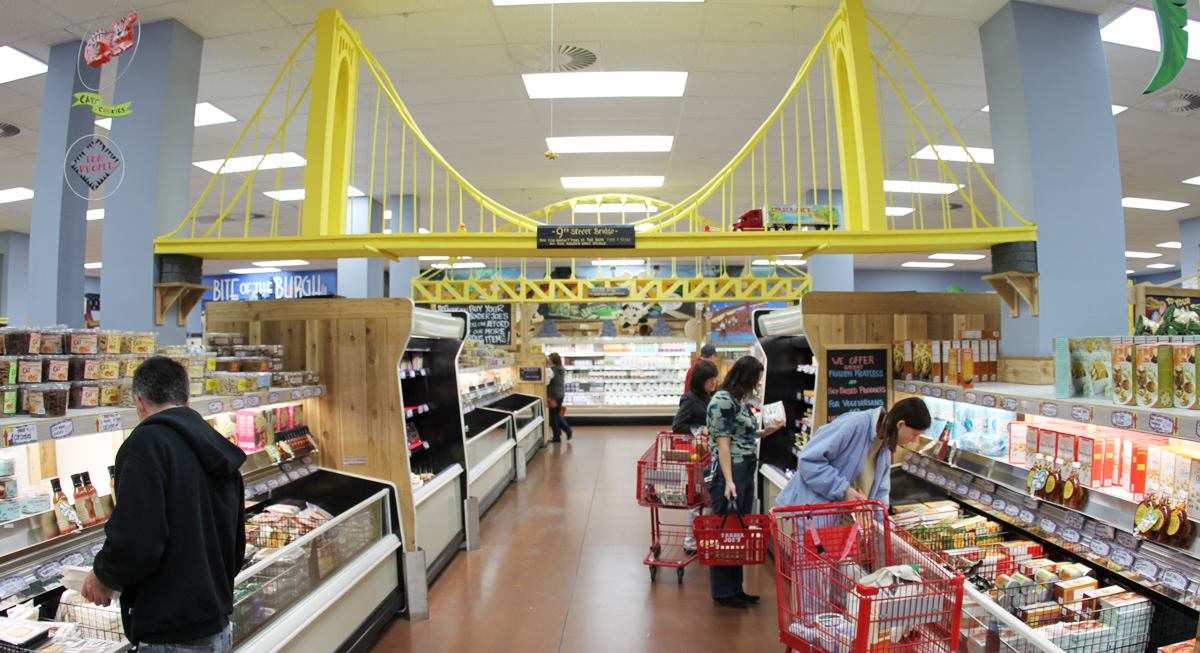
Image via Wikimedia Commons/daveynin
Most grocery chains scale by adding services, bigger stores, and more convenience, but Trader Joe’s does the opposite. It keeps stores compact, limits product selection, and focuses heavily on private-label goods. Even transparency around those products stays tight, with manufacturers rarely disclosing.