10 Things You Never Knew About the Fruit You Eat
There is a very good chance you have been completely wrong about fruit your entire life. Not in a dramatic way, though. For one, some fruits are classified totally differently from what you might think. Some are only the color you expect because humans force them to be, and at least one fruit you eat all the time is technically closer to a berry than actual berries are. Once you know these, you can’t un-know them.
Apples Can Float Because They Are Full Of Air
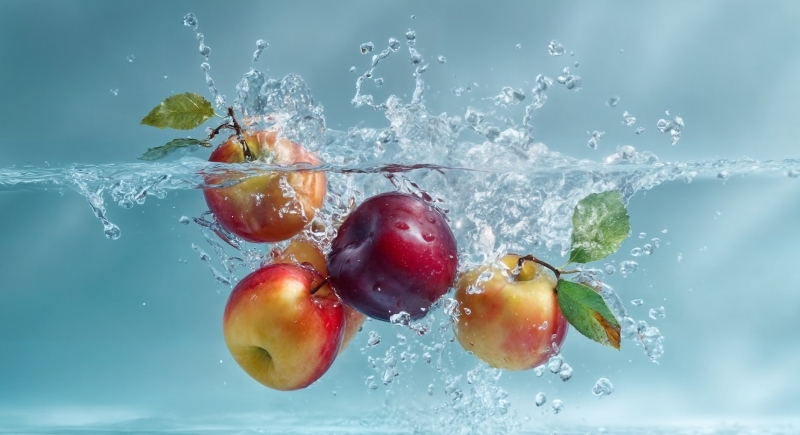
Image via Canva/Handmadefont
Apples contain about 25 percent air inside their structure, which lowers their density enough to float. The internal air space helps the fruit develop texture as it grows, and is also why apples bruise when dropped. The floating trick just happens to make them perfect for games like bobbing for apples.
Bananas Are Botanically Classified As Berries
In plant science, a berry forms from a single flower and contains seeds inside the flesh. Bananas check every box, even though the seeds are tiny and not noticeable. The fruit grows from one ovary and develops the soft interior that people recognize. Meanwhile, many foods people call berries fail the technical definition completely. Botany does not care what the grocery store labels say.
Strawberries Wear Their Seeds On The Outside
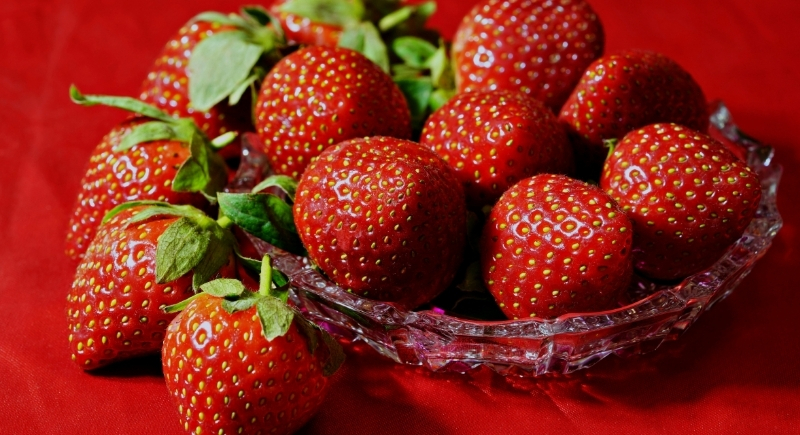
Image via pexels/hartono subagio
Look closely at a strawberry, and you will see tiny seed-like dots covering the surface. Each one is actually its own tiny fruit. The red flesh people eat is classified as accessory tissue. That makes strawberries botanically unique compared with most sweet produce. It also explains why they develop such a distinct texture compared with fruits that hold seeds internally.
Pineapples Take Years To Produce Just One Fruit
Growing a single pineapple requires patience. From planting to harvest, most pineapples take between two and three years to fully develop. Each pineapple grows from a central flowering stalk made up of many small flowers that fuse into one fruit. The slow growth cycle is one reason pineapple farming requires careful planning and long-term land use.
Oranges Are Sometimes Forced To Look Orange
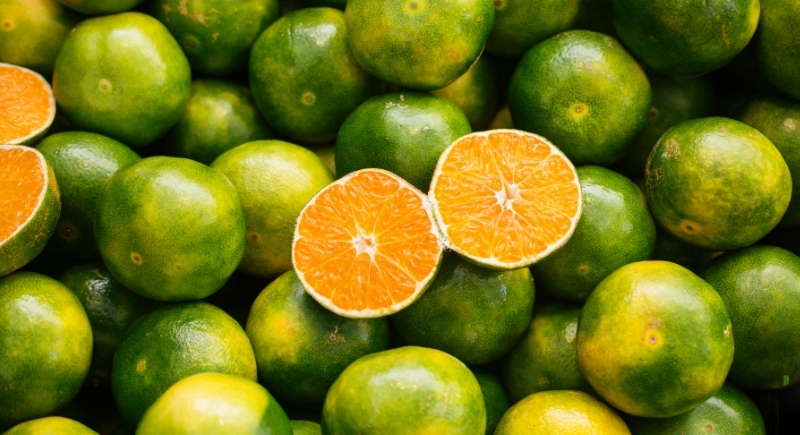
Image via Canva/berkay08
In tropical regions, oranges can ripen while still looking green or yellow because warm temperatures prevent chlorophyll from breaking down. Many imported oranges are exposed to ethylene gas after harvest to remove the green color and create the bright orange appearance shoppers expect. The color change does not affect taste or nutrition. It is mostly about consumer expectations.
Kiwis Used To Have A Completely Different Name
Before global export marketing kicked in, kiwis were known as Chinese gooseberries. When New Zealand began exporting the fruit widely, producers renamed it after the kiwi bird to create stronger international branding. The name shift helped transform it into a global supermarket staple.
Cherries Are Sometimes Protected By Helicopters
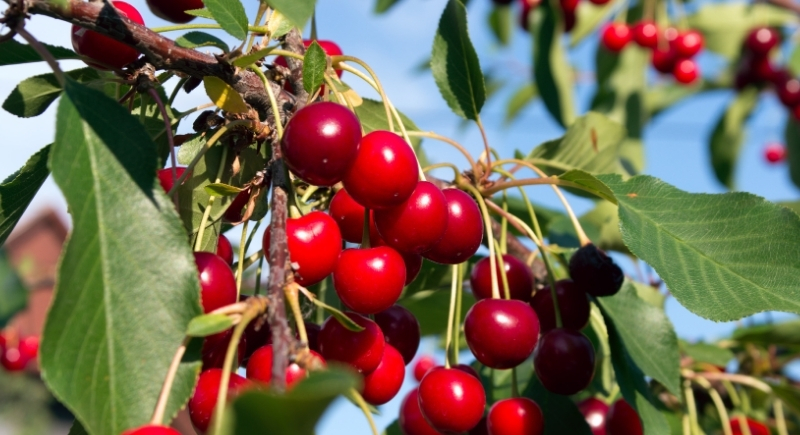
Image via Getty Images/RobertKovacs
Rain can cause cherries to absorb too much water, leading them to split open. Some orchards respond by flying helicopters low over trees after storms. The rotor wind dries the fruit quickly and reduces crop loss. It sounds extreme, but losing a full cherry harvest can cost growers millions.
Grapefruit Can Interfere With Certain Medications
Grapefruit contains natural compounds that block enzymes in the digestive system responsible for breaking down some drugs. Without those enzymes working properly, medication levels in the bloodstream can spike. For certain prescriptions, this can become dangerous. This is why many medication labels specifically warn against grapefruit consumption.
Avocados And Coconuts Are Fruits That Contain Fat
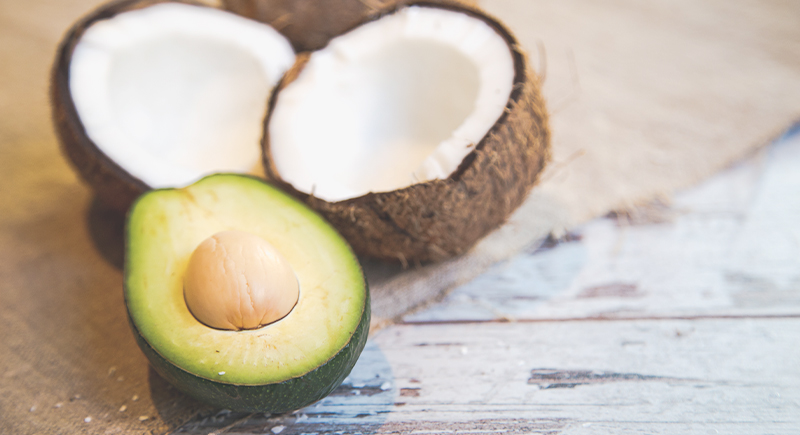
Image via iStockphoto/DusanManic
Most fruits store energy as carbohydrates, which is why they taste sweet. Avocados and coconuts are different. They store much of their energy as fat instead. That makes them calorie-dense compared with most fruit while still providing fiber, vitamins, and minerals. This unusual nutrient profile is why they are often grouped differently in nutrition discussions.
Pomegranates Can Contain Over A Thousand Seeds
Cut open a pomegranate, and you will find hundreds of jewel-like seed sacs called arils. Some large pomegranates can contain more than 1,000 seeds. Each aril holds juice, flavor compounds, and antioxidants. The high seed count is part of the plant’s survival strategy, increasing the chance that animals spread seeds across wide areas.