10 Secret Reasons Every Costco Entrance Is Designed Like a Maze
Membership gates, receipt checks, and a layout that forces every shopper through the same starting point are not accidents. Costco operates more than 847 warehouses across 14 countries, serving over 120.9 million members, and each visit follows a controlled path that shapes what people see, how long they stay, and how much they spend. The structure begins at the entrance, where a series of small design choices sets everything in motion.
The First Right Turn
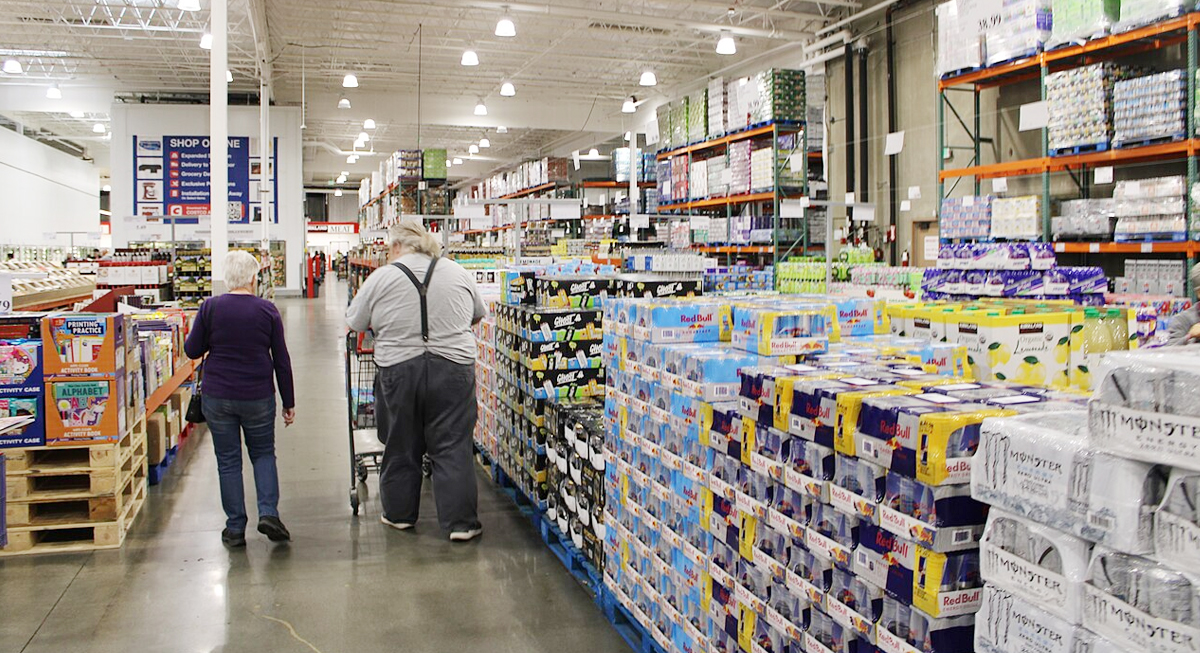
Image via Wikimedia Commons/Chris Light
Retail experts note that shoppers naturally veer to the right upon entering a store. Costco uses that instinct by placing high-margin or new products in that zone to catch customers’ attention before a shopping list takes over. The early exposure is important because shoppers have the most mental energy at the start and are more willing to consider expensive items.
Big-Ticket Displays
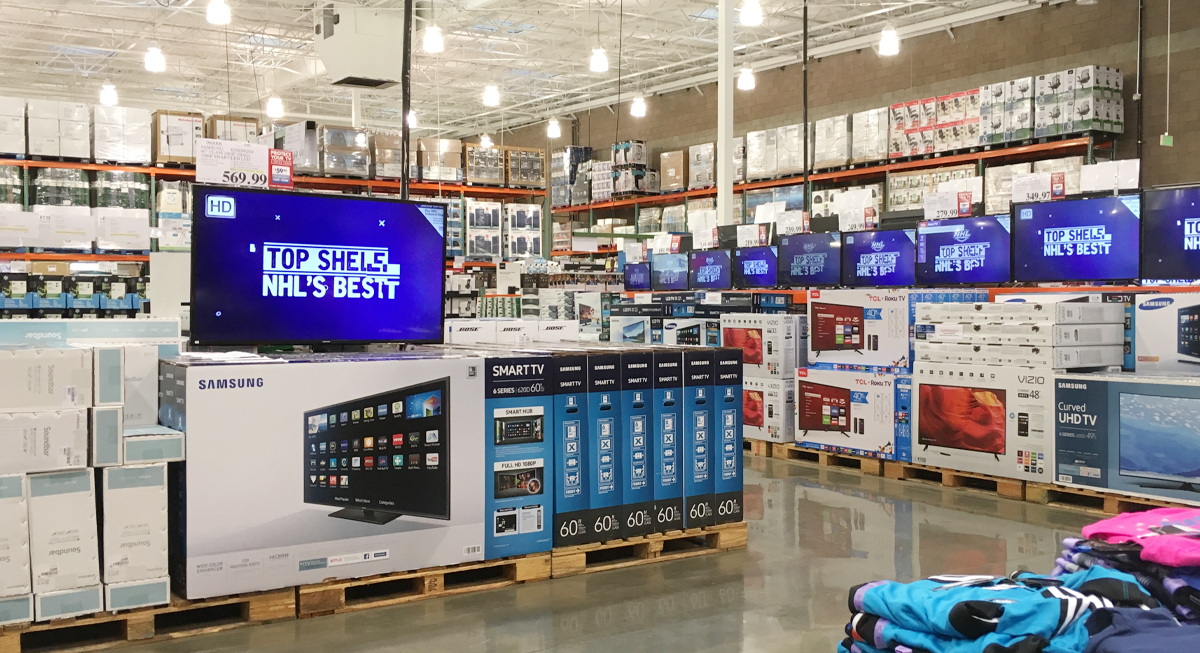
Image via Wikimedia Commons/FASTILY
Televisions, laptops, and jewelry are often positioned near the entrance for a reason. Research shows that customers process complex purchases more effectively early in a trip. Seeing these items first anchors expectations and makes later prices feel more reasonable by comparison, even when those early products are the most expensive.
The Open Layout Feels Easy
Costco warehouses average about 146,000 square feet, yet the layouts are easy to navigate. Wide aisles and clear sightlines create a sense of control. The comfort is great because calm customers spend more time browsing, and more time inside usually leads to more items in the cart.
The Racetrack

Image via Getty Images/jamesteohart
Designers describe Costco’s layout as a racetrack that moves shoppers along a predictable loop. There is typically one main entrance, and everything flows outward from that point. This setup increases exposure to multiple product categories before reaching the destination.
Essentials Are Always Far Away
Staples like meat, seafood, toilet paper, and fresh food are usually toward the back or at the ends of aisles. The placement forces shoppers to walk past seasonal items, home goods, and impulse buys first. The extra distance increases the number of decisions made along the way.
The “Treasure Hunt” Keeps Things Unpredictable

Image via Pexels/Andrea Piacquadio
Costco regularly rotates products and shifts its locations, even for everyday items. Employees have explained that this creates a “treasure hunt” experience that keeps shoppers scanning shelves rather than heading straight to what they need. The more people search, the more likely they are to discover something unplanned.
Hunger Is Part of the Plan
The food court is after the checkout area, and that placement is intentional. A 2015 study published in the Proceedings of the National Academy of Sciences found that hunger increases the desire to acquire both food and non-food items. By keeping shoppers hungry during their trip, Costco increases the chances of impulse purchases.
Mental Fatigue Changes Decisions

Image via iStockphoto/nicoletaionescu
Shoppers start strong but tire as they move through the store. Experts explain that decision-making capacity drops over time, which is why complex items appear early and simpler choices dominate later sections. By the end of the trip, quick decisions replace careful comparisons.
Sensory Cues
Store design goes beyond layout. Scent, sound, and visual openness all influence behavior. Retail specialists point out that even subtle smells can prime shoppers to associate a space with progress or productivity, which can make spending feel justified.
Tight Entry and Exit Control
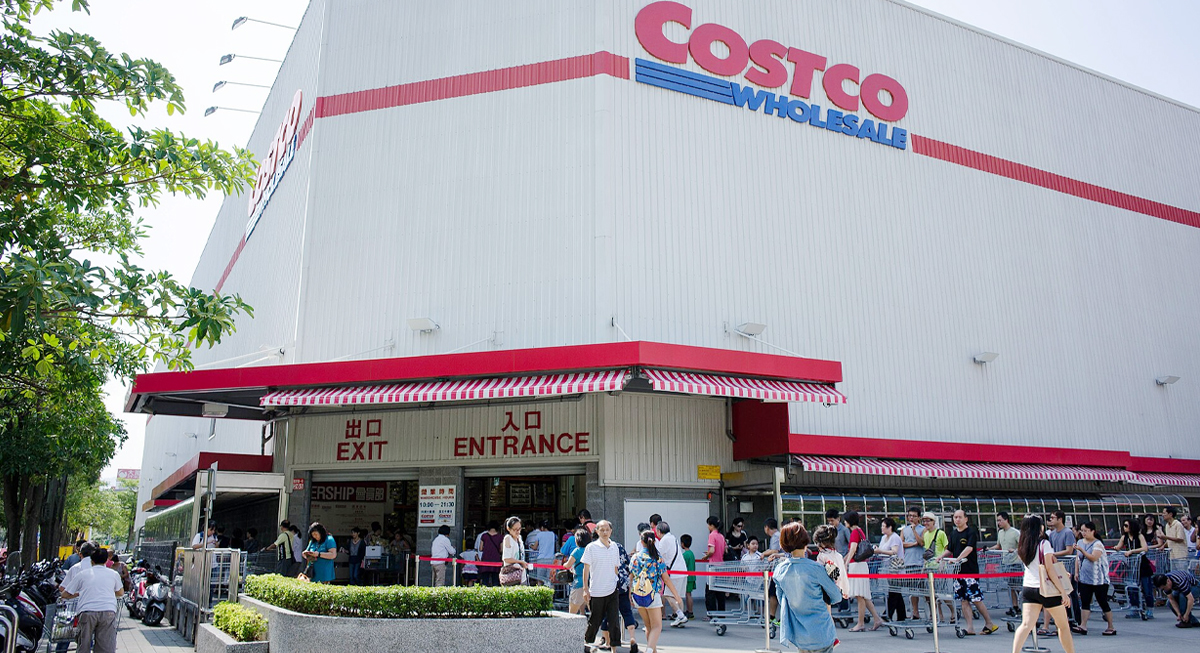
Image via Wikimedia Commons/玄史生
Costco requires a paid membership and ID to enter, limits the number of entrances, and checks receipts at the exit. The company reported shrinkage rates between 0.1 percent and 0.2 percent, far below typical retail levels, while United States retailers lost over $47 billion to shoplifting in 2025. Fewer blind spots and controlled access keep the entire system running smoothly while reinforcing the same guided path every shopper follows.