10 Pantry Miracle Dishes Born Out of Hard Times
A surprising number of comfort foods people still love today came from moments when money was tight and options were limited. In those times, home cooks had to rely on what was already in the pantry and find ways to turn simple ingredients into a full meal. That meant working with canned goods, preserved items, and leftovers that could not be wasted.
What came out of that pressure was creativity. Dishes that started as practical solutions slowly became part of everyday cooking. Some became regional favorites, while others stayed within families, passed down through church cookbooks, school cafeterias, and kitchens that valued meals that could stretch ingredients without sacrificing flavor.
Tuna Noodle Casserole
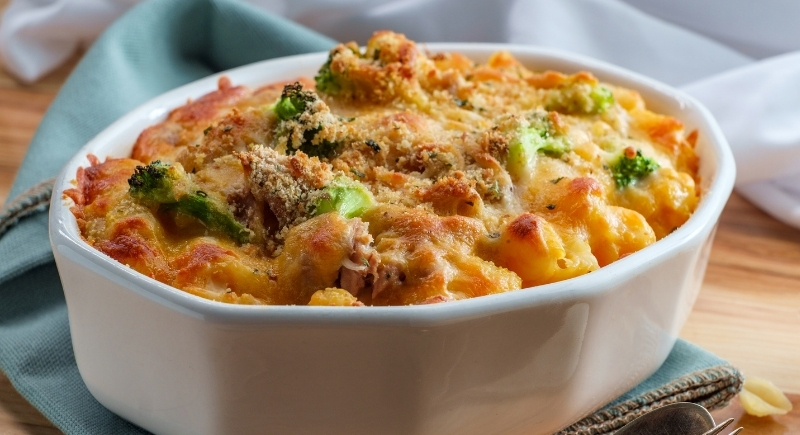
Image via Getty Images/EzumeImages
Tuna noodle casserole first appeared in 1930 in Sunset Magazine in the Pacific Northwest. The dish gained national traction after Campbell’s released condensed cream of mushroom soup in 1934, which replaced the need for fresh mushrooms and a homemade sauce. Egg noodles, canned tuna, and the soup formed the backbone of the meal.
Cooks baked everything with a cheese topping, and later versions added peas or breadcrumbs. Nearly every ingredient could sit in the cupboard for weeks, which made the casserole ideal during tight grocery budgets. By the 1950s, it had become a staple across the Midwest.
Hoover Stew
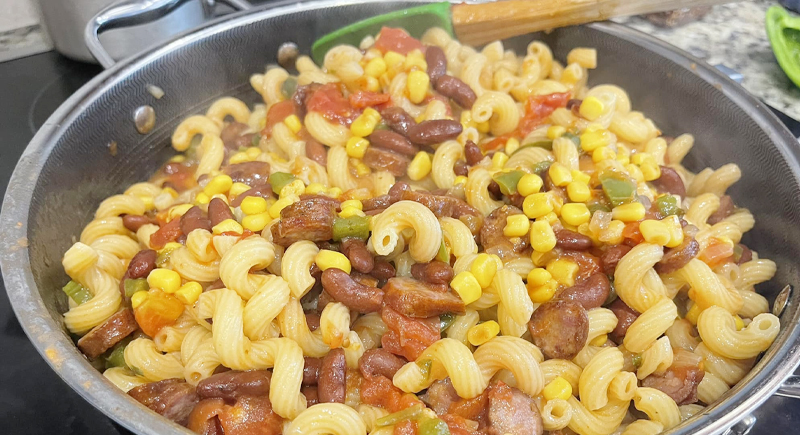
Image via Facebook/Cooking with HexClad
During the Great Depression, families had to make meals with whatever they could afford, and Hoover stew became one of the simplest answers. It showed up across the United States in the 1930s and took its name from President Herbert Hoover, reflecting the frustration many people felt during that period.
The recipe kept things basic and practical. Macaroni, sliced hot dogs, canned tomatoes, and canned corn went into a single pot and cooked together. The result was a filling, low-cost meal that could feed a family without much effort or expense.
Corned Beef Hash
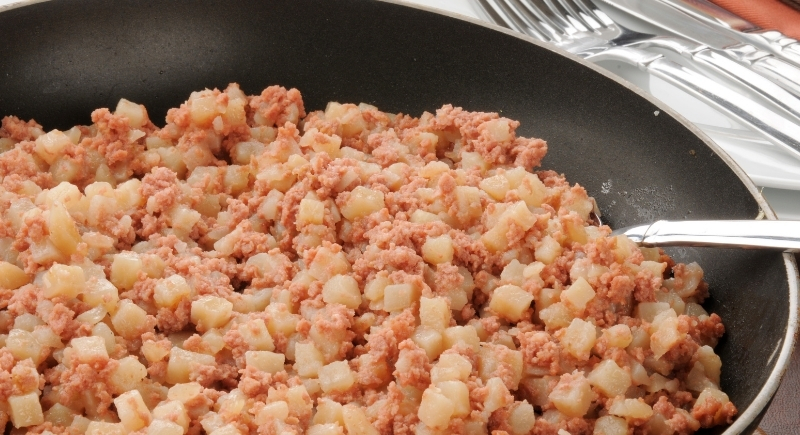
Image via Getty Images/MSPhotographic
Corned beef has a long history that reaches back to 17th-century Ireland, where salt-preserved beef was stored. By the early 19th century, preservation technology allowed corned beef to be packed into sealed tins.
During World War II, canned corned beef helped stretch meat rations for soldiers and civilians alike. Hash became a popular way to serve it, so cooks chopped potatoes and onions, fried them with the preserved beef, and created a hearty skillet meal that worked for breakfast or dinner.
Tomato Soup Cake
At first glance, a dessert made with canned soup sounds unusual, but it makes sense once you look at how it started. Tomato soup cake dates back to at least 1922 and became more common during the Great Depression, when bakers needed affordable substitutes for hard-to-get ingredients.
Condensed tomato soup did more than stretch the batter. Its acidity helped activate baking soda, while its starches and pectin added moisture. The result was a soft, spiced cake with flavors like cinnamon, cloves, and nutmeg. Campbell’s later promoted the recipe in the 1940s, and by the 1960s, cream cheese frosting had become a popular finishing touch.
Slugburger
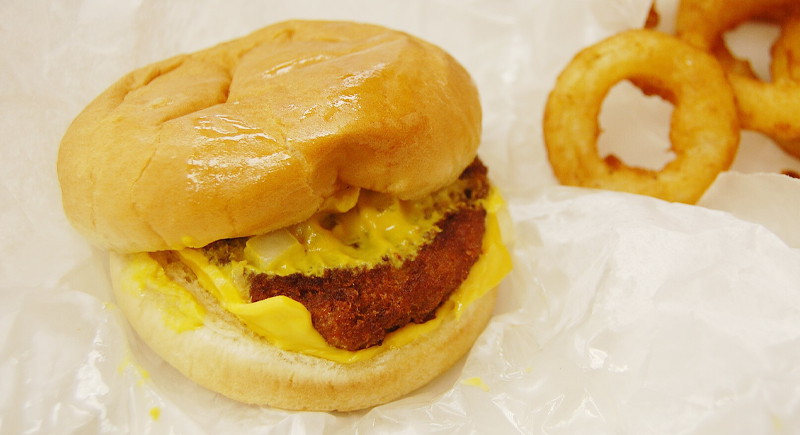
Image via Wikimedia Commons/Southern Foodways Alliance
Restaurants across the American South struggled to stretch meat supplies during the 1930s. One clever fix appeared in Corinth, Mississippi. Cooks mixed ground pork or beef with potato flour before frying the patties. The extra starch helped extend the meat while producing a crisp exterior. Locals called the creation a slugburger, a name linked to counterfeit coins once known as “slugs.”
Pineapple Upside-Down Cake
One of the most recognizable desserts of the early 20th century came straight from the rise of canned fruit. Pineapple upside-down cake took off after the Hawaiian Pineapple Company, later known as Dole, held a recipe contest in 1925. More than 2,500 pineapple cake recipes were submitted, showing just how quickly the idea caught on.
The method was simple but memorable. Bakers arranged canned pineapple rings and maraschino cherries at the bottom of a pan, poured batter over the top, and baked it all together. Once flipped, the fruit created a glossy, caramelized topping that gave the cake its signature look.
Salmon Croquettes
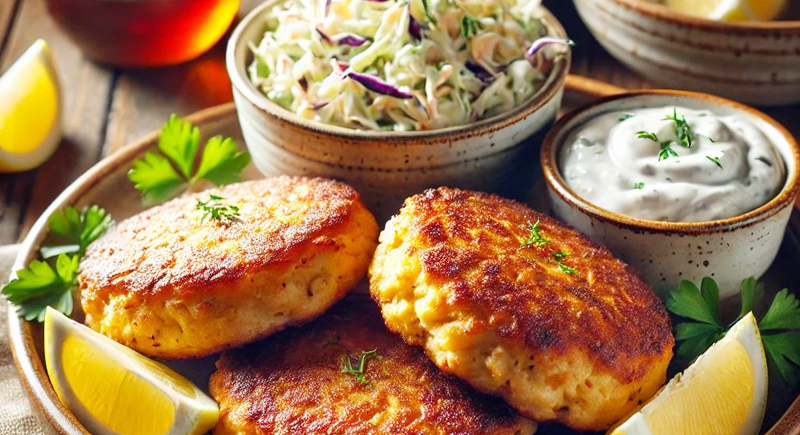
Image via Facebook/Julia’s Simply Southern
Canned salmon traveled thousands of miles before becoming a Southern comfort food. During the Great Depression, the United States government encouraged the consumption of Alaskan salmon to address vitamin deficiencies linked to corn-heavy diets in the South.
Home cooks combined canned salmon with crushed crackers or breadcrumbs, formed patties, and fried them until golden. Onion and gravy were often included in the mixture.
Three-Bean Salad
Three-bean salad became a staple at picnics and potlucks because it was simple, reliable, and made almost entirely from pantry items. In the 1950s, canned green beans, wax beans, and kidney beans made it easy to put together without much effort.
A quick vinaigrette brought everything together, giving the salad its signature tangy flavor without any need for cooking. Since beans are a good source of protein, it could even double as a light meal, especially on warm evenings.
Kartoshka
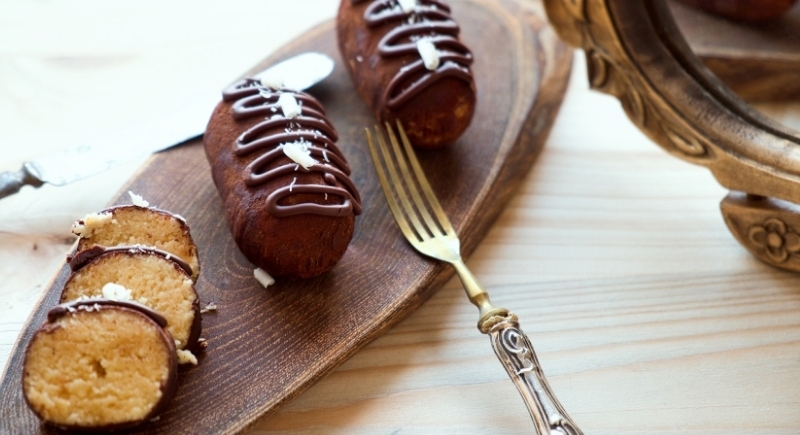
Image via Getty Images/Veronika Kovalenko
Soviet kitchens took thrift to impressive levels. Kartoshka, a dessert whose name translates to “potato,” uses crumbs left behind after baking cookies or cakes. Bakers mixed the crumbs with butter, cocoa powder, and sweetened condensed milk, then shaped the mixture into small potato-like treats.
Some versions even included rum or nuts. The dessert ensured that every scrap of pastry found a second life.
Budae Jjigae
After the Korean War, food was scarce, and people had to work with whatever they could find. Near United States military bases, locals bought surplus items like Spam, hot dogs, and canned beans that might otherwise have gone to waste.
Cooks combined those ingredients with familiar staples such as kimchi, garlic, chili paste, and noodles. The result was budae jjigae, often called “army base stew,” a dish that turned limited resources into something filling and full of flavor.