10 Lies the Grocery Store Tells You Every Day
Most of us walk into a grocery store on autopilot. We grab a cart, follow our usual path, and assume everything on the shelves is straightforward. It feels familiar, almost comforting. But behind the neat displays and friendly labels, many decisions have already been made for you. Grocery stores are carefully designed spaces, and not everything is as simple or transparent as it looks.
Fresh Juice Is Not Always Fresh
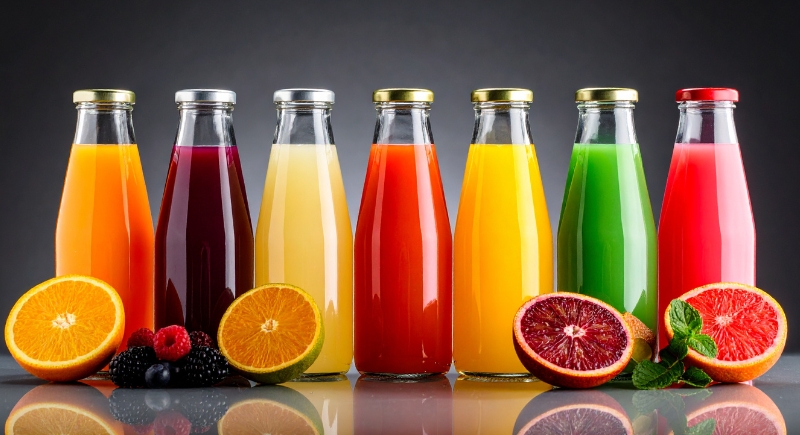
Image via Canva/TrueCreatives
Many large juice brands store orange juice in oxygen-free tanks for months before packaging. Removing oxygen helps prevent spoilage and maintains a consistent supply year-round. That storage process strips away natural flavor, so companies add engineered flavor blends before bottling. These blends often come from companies that specialize in fragrance and flavor chemistry. The final product is safe to drink, but it is very different from juice squeezed and sold immediately.
“Fresh” Apples May Be Almost A Year Old
Controlled atmosphere storage lets apples last far beyond harvest season. Warehouses reduce oxygen and increase carbon dioxide to slow aging, so texture and sweetness remain stable for months. It explains why apples are available year-round even though harvest happens mainly in the fall. Once removed from storage, apples age quickly again. The apple itself is still a real fruit, just preserved in a carefully controlled environment.
Perfectly Red Meat Does Not Always Mean Recently Cut
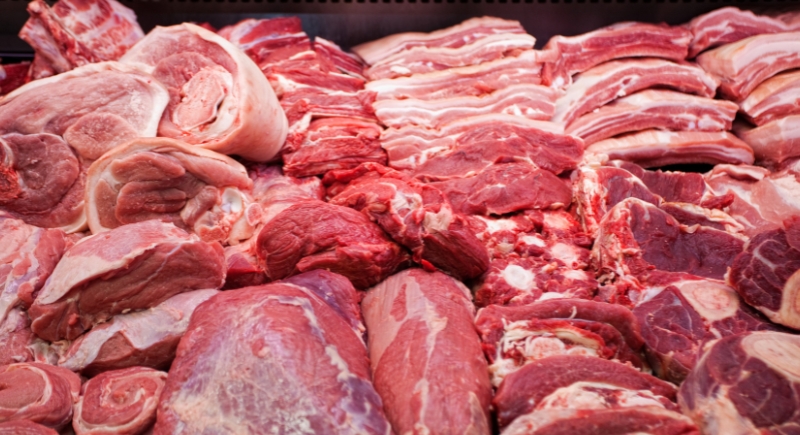
Image via Getty Images/alle12
Some packaged beef uses carbon monoxide packaging to maintain a bright red color. The gas prevents oxidation, which normally causes meat to turn brown. The process is approved in the United States in very small amounts, but critics say color can mislead shoppers about freshness. Color alone is not a reliable indicator of age. Smell, texture, and expiration dates matter more when checking meat quality.
The Store Bakery Often Finishes Products Instead Of Making Them
Many grocery bakeries receive frozen dough or partially baked products from factories. Staff bake or heat them on-site to create the aroma and texture associated with fresh-baked goods. Some items are made in-store, but a large product variety makes full scratch baking unrealistic for most chains. The result still tastes good, but it is closer to final assembly than traditional baking from raw ingredients.
Seafood Labels Are Sometimes Wrong
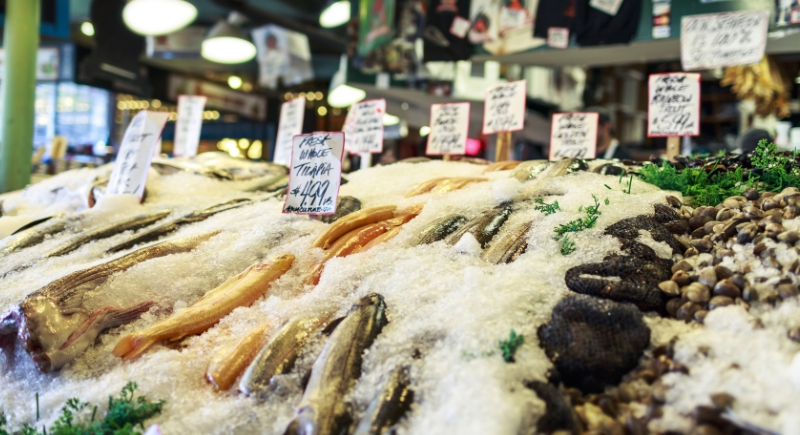
Image via Getty Images/Kativ
Multiple investigations found frequent seafood mislabeling in the United States. Studies from conservation groups showed a significant percentage of fish sold under premium names were actually cheaper species. Filets are difficult to visually identify after processing, and mislabeling can occur at the distribution or retail stage. Regulations improved traceability in recent years, but substitution still occurs in parts of the supply chain.
Ethylene Gas Helps Ripen Fruit After Harvest
Bananas, tomatoes, and some other produce are picked before ripening to prevent spoilage during shipping. Distribution centers expose them to ethylene gas to trigger ripening before sale. Ethylene exists naturally in fruit, so the process mimics natural ripening while speeding it up. This method helps stores sell fruit that looks and feels ready to eat when it reaches shelves.
Wax Coatings Help Fruit Survive Shipping
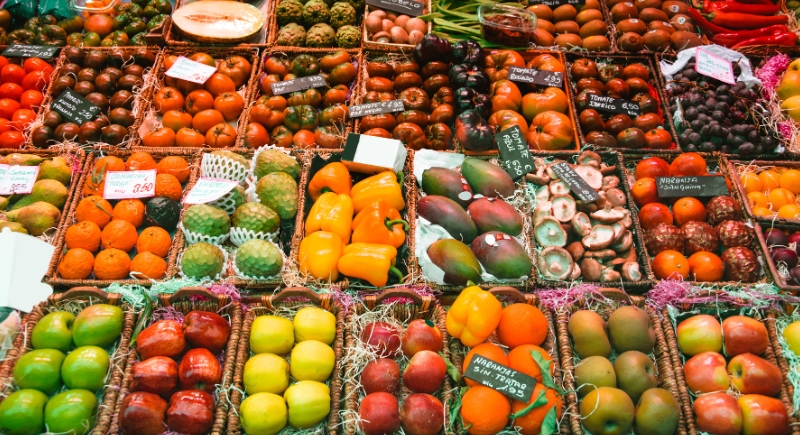
Image via Getty Images/Mario Guti
Many fruits receive edible wax coatings after harvest. Some shoppers prefer unwaxed produce, but it spoils faster without protection. Wax slows moisture loss and protects against mold and bruising, but natural wax washes off during cleaning, so producers replace it with food-grade coatings. The new coating is safe but not easily removed with water. Peeling the fruit removes it completely.
Shelf Placement Influences What You Buy
Higher-priced products often sit at eye level because that position gets the most attention. Lower shelves and top shelves usually hold cheaper alternatives. This placement strategy is based on retail psychology and long-term sales data. Stores also place essentials like milk and eggs far from entrances, so shoppers pass more products before reaching them.
“Organic” Does Not Mean Zero Pesticides
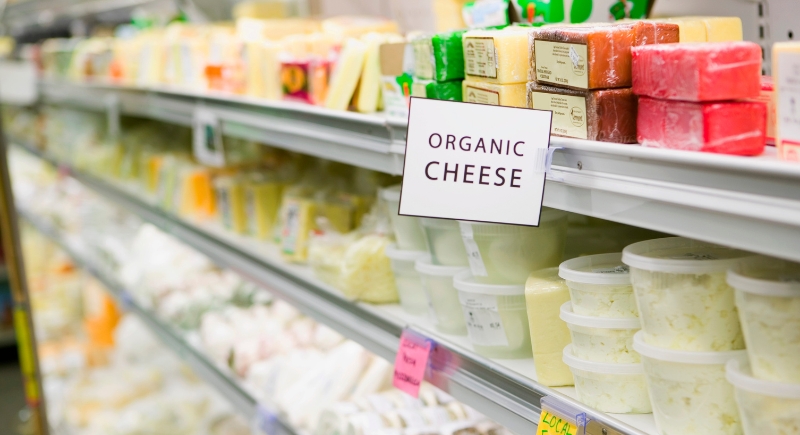
Image via Photo Images/Jupiter Images
Organic certification limits synthetic pesticide use but still allows certain natural pesticides. Natural does not automatically mean harmless. Organic farming focuses on approved substances and specific farming methods, not total chemical absence. Both organic and conventional foods must meet safety limits set by regulators. Reading certification details helps explain what each label actually guarantees.
Some Store Brands Come From The Same Factories As Name Brands
Private-label products are often manufactured by major manufacturers. The same facility may produce both name-brand and store-brand versions with small recipe or packaging differences. This practice reduces costs for retailers and expands product reach for manufacturers. Sometimes the products are nearly identical. Sometimes they are not. Ingredient lists and nutrition labels usually reveal differences.