10 “Japanese” Foods That Are Actually American Inventions
A lot of what Americans think of as “Japanese food” is really Japanese technique plus American problem-solving. Early sushi in the U.S. had a marketing issue, as many diners were nervous about raw fish, suspicious of seaweed, and more comfortable with creamy, crunchy, handheld, or familiar formats. So chefs and restaurant chains adapted.
Over time, those adaptations became so common that they began to feel authentic, even though they were essentially built for American tastes, supply chains, and eating habits.
California Roll
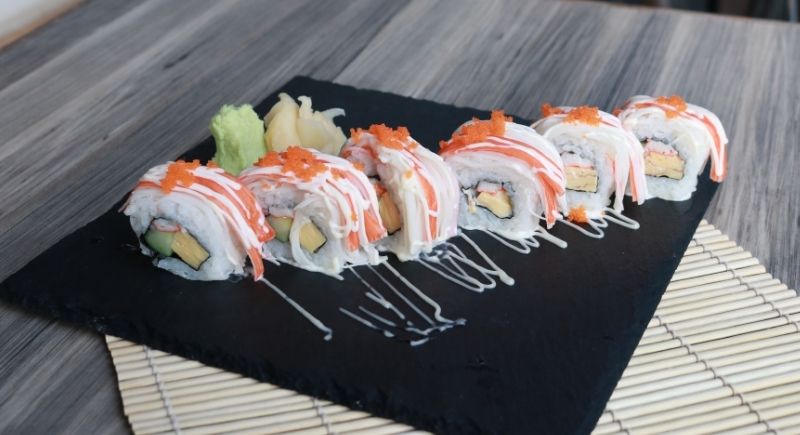
Image via Canva/pawin.c20
This is the gateway drug of American sushi, and its origin story is famously disputed, which is part of the fun. Multiple chefs in Los Angeles and Vancouver have been credited, but its true legacy is making raw fish culture less intimidating in North America. The inside-out style hides the nori and uses mild, familiar ingredients like imitation crab.
Spicy Tuna Roll
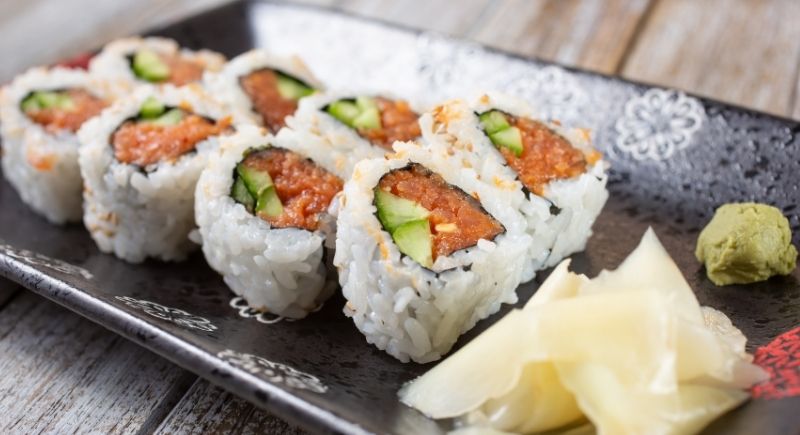
Image via Getty Images/Photography By Tonelson
Spicy tuna feels like something that should have existed forever, but the modern roll is widely credited to American sushi culture in the 1980s, with a commonly cited origin tied to the Seattle area and chef Jean Nakayama at Maneki, built around mixing tuna bits with spice and mayo-like richness. That “use the scraps, add heat, make it craveable” logic is extremely American.
Rainbow Roll
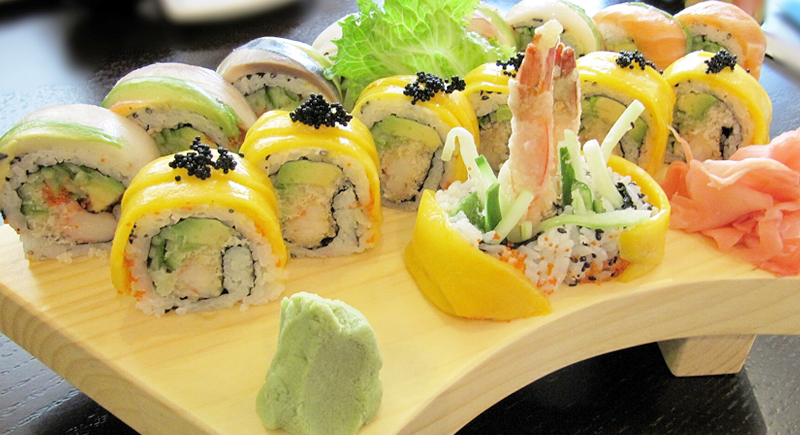
Image via Wikimedia Commons/Loozrboy
The Rainbow Roll is the “level up” from the California Roll. While the California Roll was designed to hide raw fish, the Rainbow Roll turns the exterior into a colorful display of various sashimi. It represents the moment American diners moved past their fear of raw fish and embraced sushi as a visual, multi-protein experience.
Philadelphia Roll
Cream cheese in sushi is the kind of move that makes traditionalists sigh, but American diners order a second round. The Philadelphia roll is generally described as a Western-inspired roll created to suit American preferences, pairing salmon with cream cheese for a richer, bagel-adjacent comfort profile.
Sushi Burrito
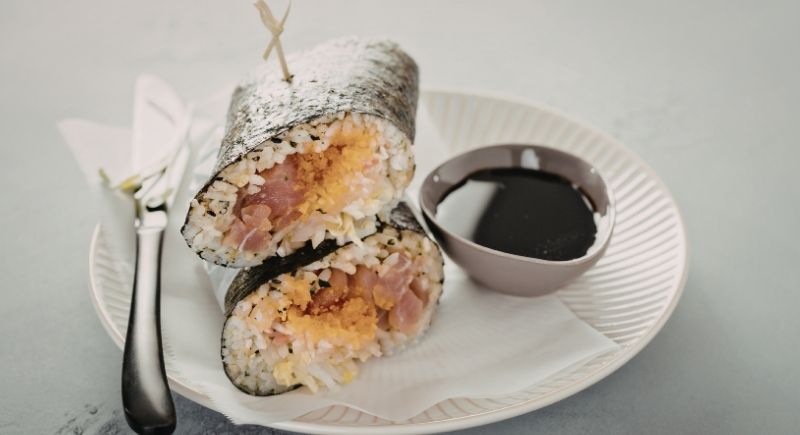
Image via Canva/Alma Grigorita’s Images
If a sushi roll and a burrito had a very American baby, this is it. Created by Peter Yen in San Francisco, the Sushi Burrito is the ultimate fusion of Japanese ingredients and American “on-the-go” culture. It trades the slow, delicate pace of traditional sushi for a large, handheld format designed for a quick, portable lunch.
Seattle-Style Teriyaki
Teriyaki is Japanese, but Seattle-style teriyaki is its own American branch: char-grilled meat (often chicken), a sweet-savory glaze, and a standard “protein + rice + salad” plate that took over an entire city’s casual food identity. The story most often centers on Toshi Kasahara, who opened an early dedicated teriyaki shop in Seattle in 1976.
Benihana-Style “Hibachi” Teppanyaki Dinner
A lot of Americans say “hibachi” when they mean teppanyaki, and the experience they’re picturing is the theatrical tableside show of flipping utensils, jokes, an onion volcano, and dinner as performance. Benihana matters here because it planted that concept into mainstream American dining when Rocky Aoki opened the first U.S. location in New York City in 1964.
Ramen Burger
The ramen burger is Japanese flavor filtered through an American obsession with the burger. It’s credited to Keizo Shimamoto and went viral after debuting at Smorgasburg in Brooklyn in 2013, swapping buns for compressed ramen “buns.” People still file it mentally under “Japanese” because ramen is the anchor.
Tempura Ice Cream
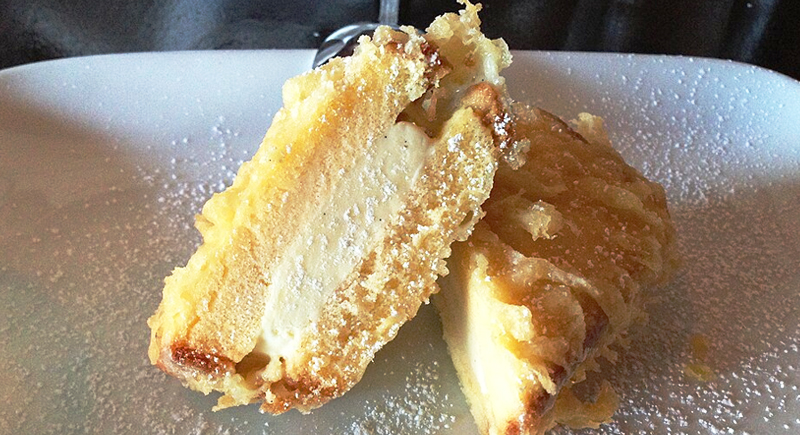
Image via Wikimedia Commons/vxla from Chicago, US
Fried ice cream has competing origin claims in the U.S. going back to the late 1800s (with early print references discussed in food-history writeups), and later versions got branded as “tempura ice cream” on Japanese-restaurant menus in America, which helped many diners file it as Japanese.
Dragon Roll
The dragon roll is a classic example of American sushi excess packaged as Japanese elegance. Typically built with eel, avocado, shrimp tempura, or other rich fillings, it’s designed for visual impact and indulgence. The dramatic presentation and layered textures are hallmarks of American sushi menus.