10 Innovative Ways Your Kitchen Scraps Can Supercharge Local Farms
Food waste has a price tag. In the United States alone, nearly 40 percent of the food supply goes uneaten, according to the United States Department of Agriculture. At the same time, fertilizer costs keep increasing, partly tied to global supply disruptions. The space between waste and need is where things start to get interesting, because what gets tossed in a kitchen bin can circle back into the same system that produced it, with real impact on farms, soil, and even energy bills.
Turning Scraps Into Fertilizer
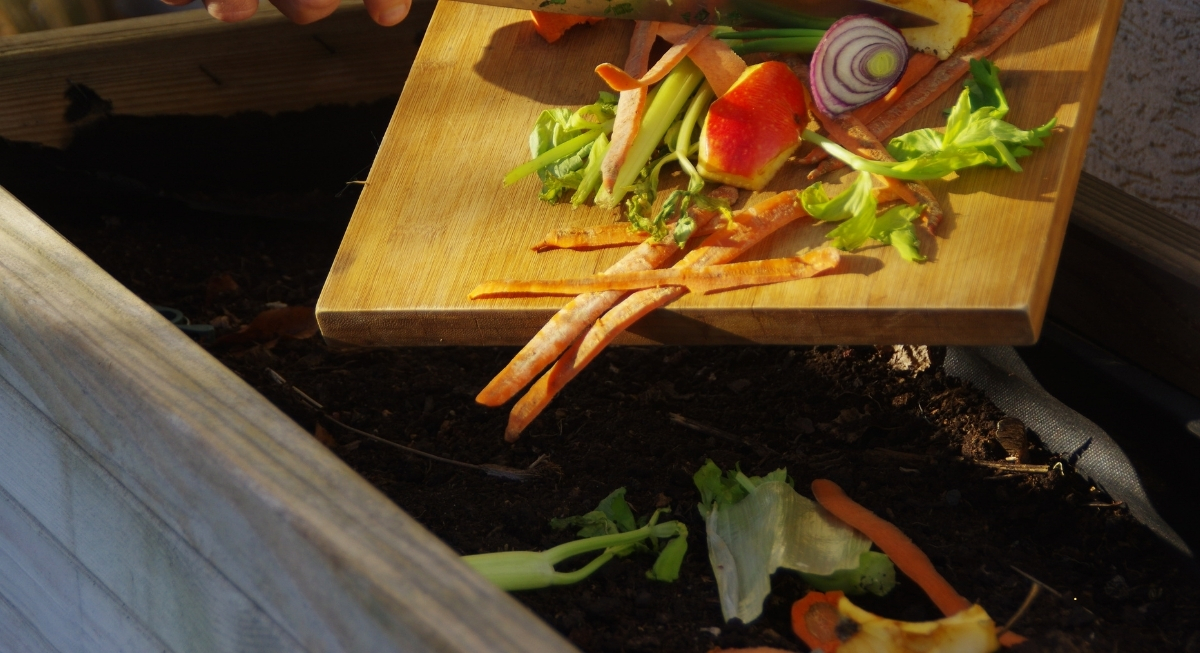
Image via Getty Images/Arkadiusz Warguła
Food waste is a resource. When processed through anaerobic digestion, it can be converted into digestate, a nutrient-rich fertilizer that farmers can use instead of relying entirely on synthetic products. Redirecting food waste into digestion systems can directly support farmers by providing them with recycled nutrients.
Powering Farms And Homes With Biogas
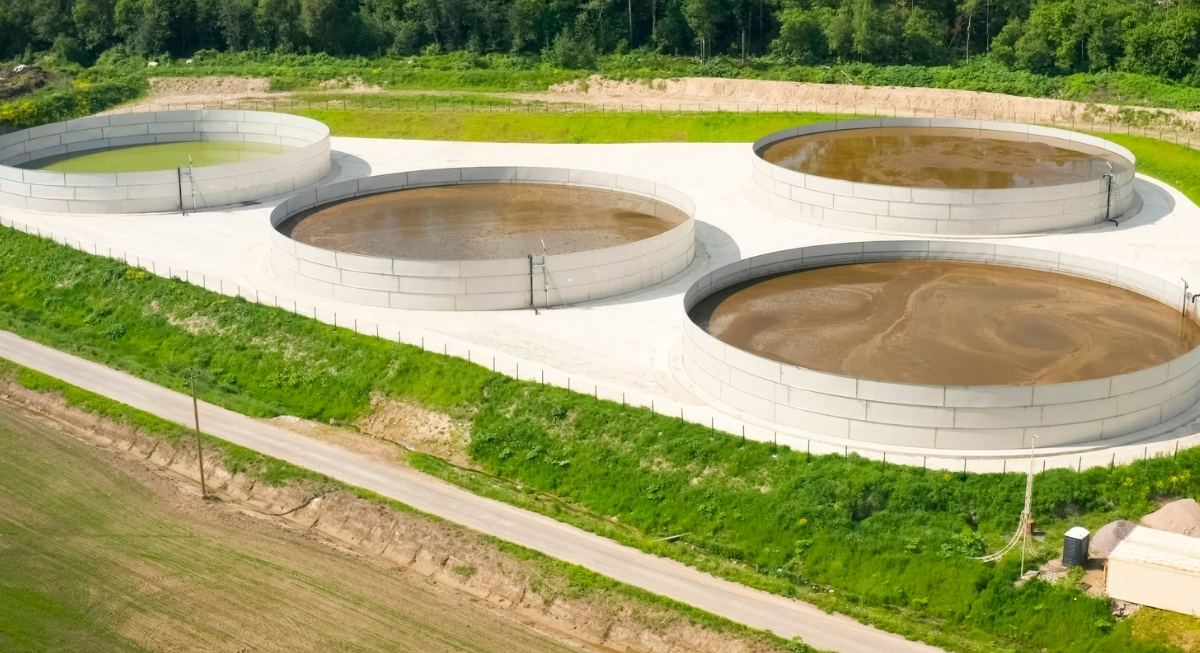
Image via Canva/Olga Kostrova
The same digestion process also produces biogas, a renewable energy source. This gas can be used to generate electricity or heat homes, thus reducing dependence on fossil fuels. Instead of food scraps releasing gases in landfills without any benefit, controlled systems capture that energy and put it to use.
Rebuilding Soil With Compost
Long-term compost use has already shown measurable results on farms. On a family farm near Geelong, Australia, 25 years of composting food and garden waste improved soil structure and increased soil depth. Deeper soil holds more nutrients and water, which directly supports plant growth. Even during dry seasons, this improved soil helped boost canola yields by about 30 percent.
Holding Water Where Crops Need It Most
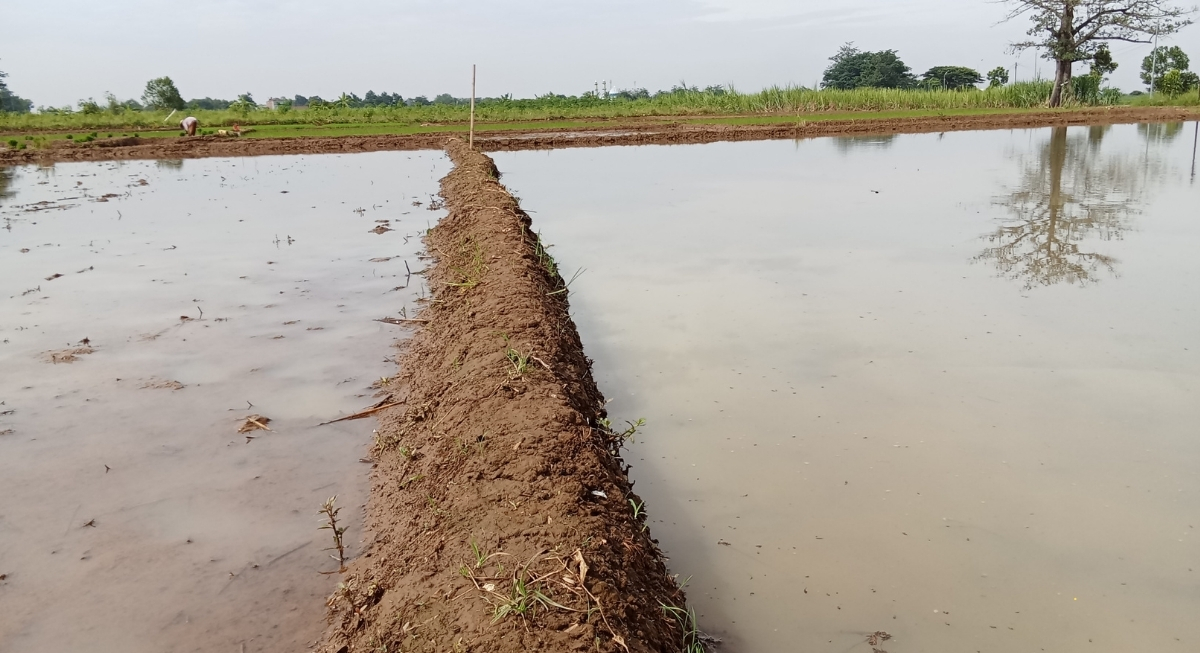
Image via Canva/District
Healthy soil also acts like a sponge. Compost improves the soil’s ability to retain water, which becomes critical during dry periods or during periods of inconsistent rainfall. On farms using recycled compost, crops have remained productive even when growing conditions are tough, simply because the soil holds moisture longer.
Feeding Livestock Through Healthier Grass Growth
On one Australian farm in Gippsland, around 250 tonnes of recycled compost are applied each year. The improved soil then grows stronger grass, which in turn feeds cattle. This creates a chain in which food scraps indirectly support livestock production.
Cutting Fertilizer Costs With Recycled Nutrients
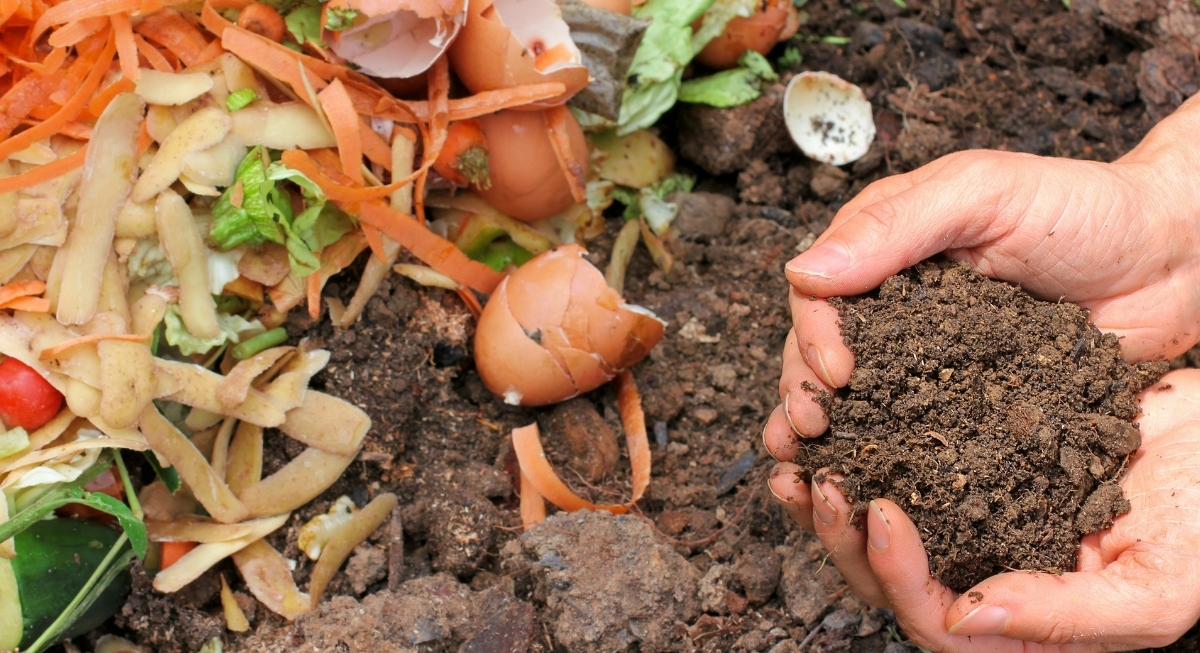
Image via Pixabay/melGreenFR
Food waste and manure both contain valuable nutrients that can be returned to the land. When farmers use these recycled sources, they reduce their reliance on synthetic fertilizers, which are not only expensive but can also harm soil health over time. Managing waste in this way helps farmers maintain productivity while keeping costs under control.
Keeping Nutrients Out Of Landfills And In Fields
When food waste is sent to a landfill, it decomposes and releases greenhouse gases, thus providing no benefit. Redirecting that waste into composting or digestion systems keeps nutrients in circulation. Instead of becoming pollution, those nutrients are reused to support crops and improve soil quality.
Reducing Farm Emissions
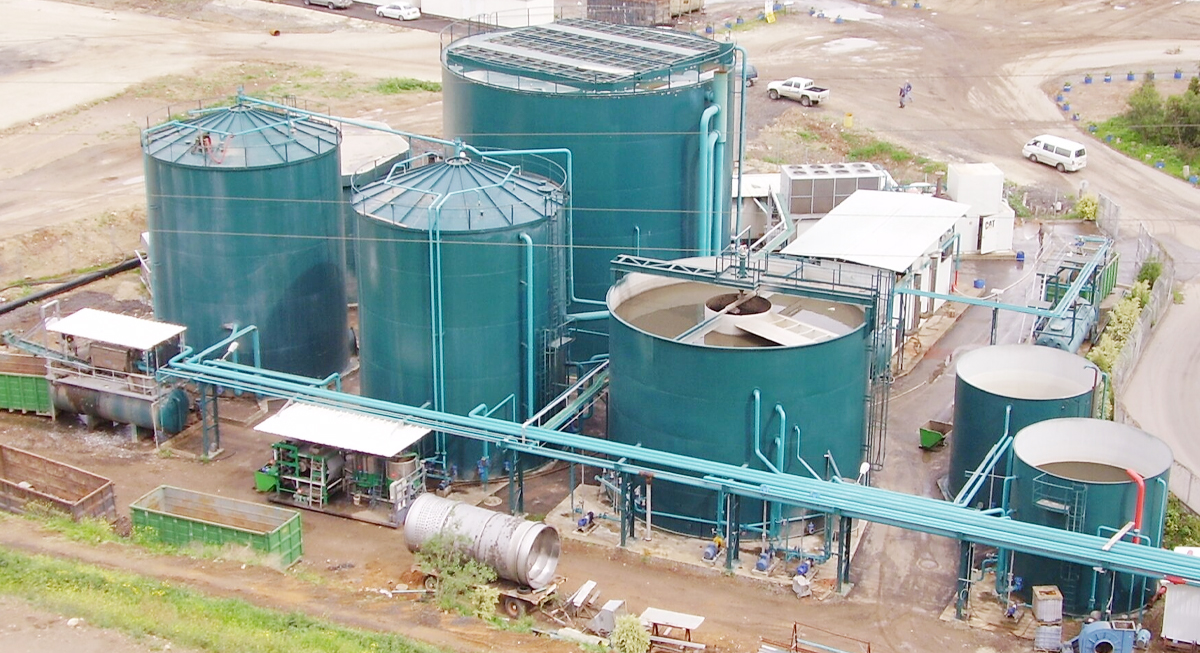
Image via Wikimedia Commons/Vortexrealm
Agriculture produces greenhouse gases, particularly from livestock and manure. However, better waste management can reduce those emissions. Anaerobic digesters, for example, capture methane from decomposing waste and convert it into usable energy.
Saving Crops That Would Never Reach Shelves
A large share of food waste happens before it reaches kitchens. Crops get rejected for appearance or left unharvested due to labor costs. Programs that recover surplus or imperfect produce help redirect that food back into the supply chain instead of letting it rot.
Protecting Soil Life By Keeping Waste Clean
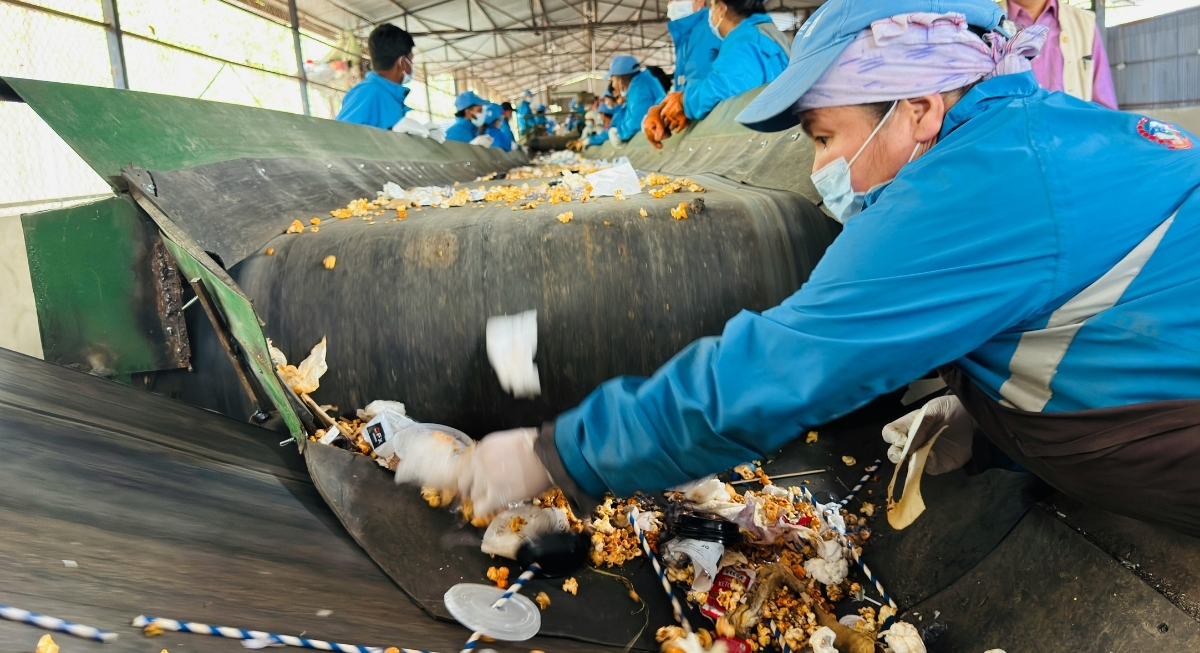
Image via Pexels/CP Khanal
The quality of compost depends on what goes into it. Contaminants like plastic can harm soil organisms, such as earthworms and microorganisms, which are essential for healthy soil. Studies have shown that plastic pollution can damage soil ecosystems and undo the benefits of compost. Clean input leads to high-quality compost, which in turn supports healthier farms.