10 Iconic Foods That Were Invented by Pure Accident
Culinary history has a long list of careful recipes, trained chefs, and precise techniques. But some of the most recognizable foods on the planet trace their origins to slip-ups, impatience, or plain luck. Those moments often forced cooks to improvise, and occasionally, the result was delightfully surprising.
Potato Chips
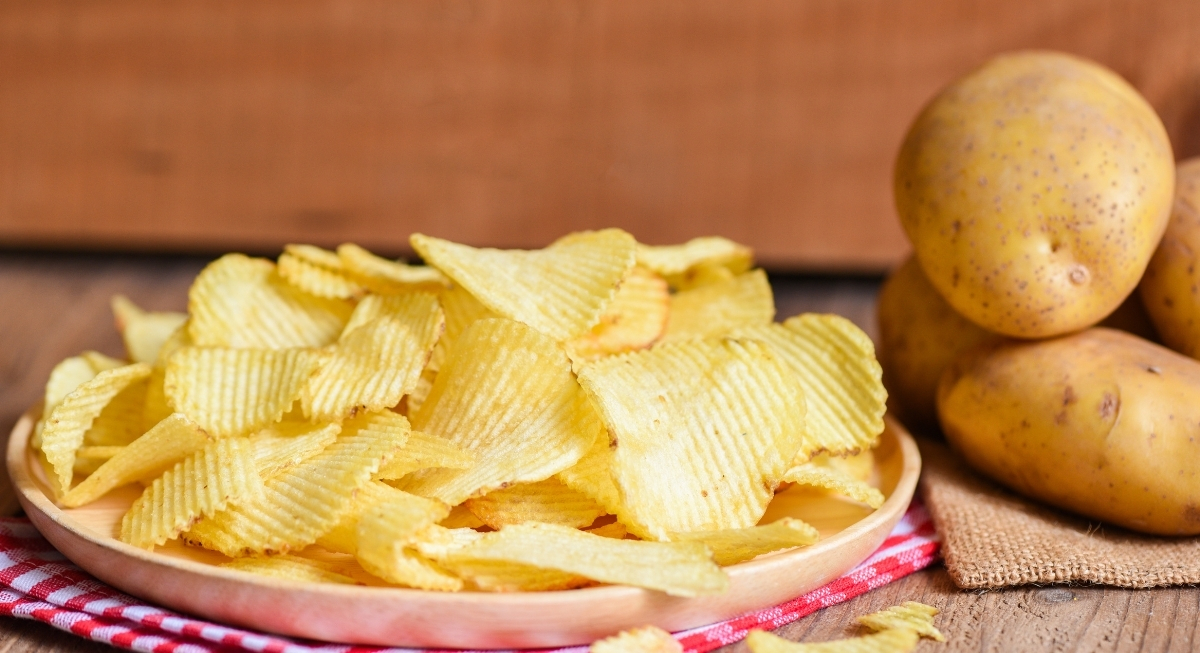
Image via Canva/JR
In 1853, George Crum was working at Moon’s Lake House in Saratoga Springs, New York, when a picky customer kept rejecting his fried potatoes for being too thick. Instead of arguing, Crum went in the opposite direction by slicing them paper-thin, frying them until they snapped, and adding a heavy dose of salt. It was meant to prove a point, but it ended up creating a hit. Those “Saratoga chips” quickly caught on and eventually evolved into packaged potato chips.
Chocolate Chip Cookies
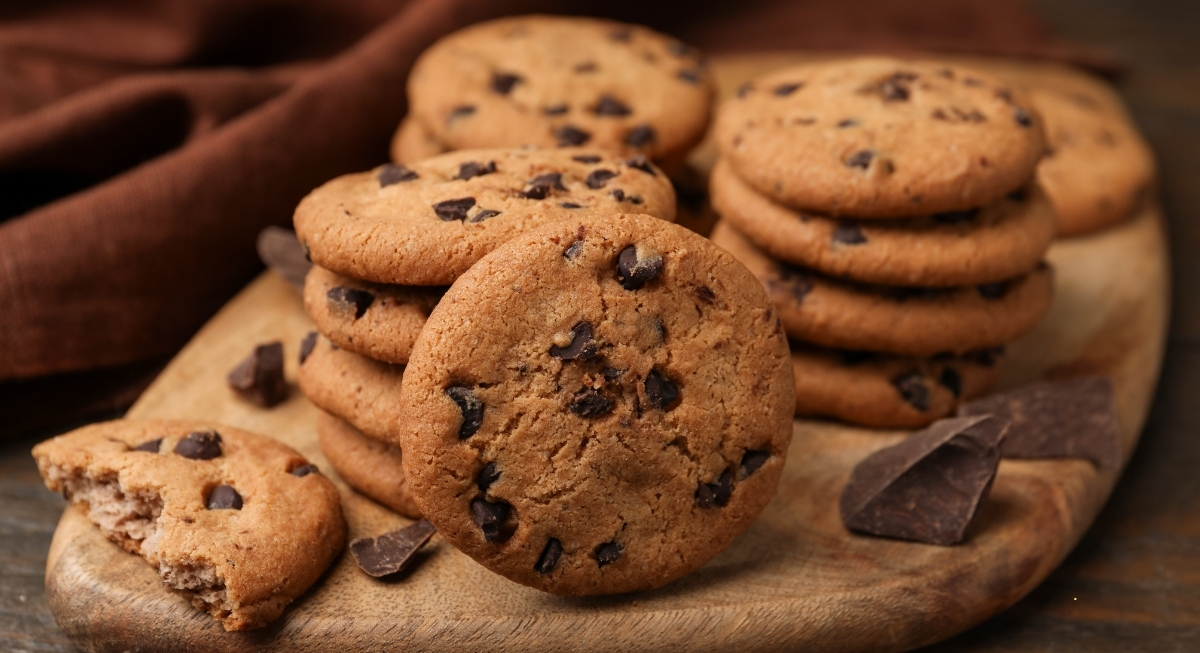
Image via Canva/Africa images
A Massachusetts innkeeper changed the way cookies were baked in 1938. Ruth Graves Wakefield ran the Toll House Inn and decided to experiment while preparing a batch of cookies. She chopped a Nestlé semi-sweet chocolate bar and stirred the pieces into the dough, expecting them to melt during baking. The chocolate chunks remained intact, creating soft cookies with pockets of melted chocolate. The recipe became widely known after Wakefield partnered with Nestlé.
Popsicles

Image via Canva/rimmabondarenko
Popsicles came straight from childhood curiosity. In 1905, 11-year-old Frank Epperson mixed powdered soda and water, then left the cup outside overnight with a wooden stick still inside. A drop in temperature froze the mixture solid. The next morning, he pulled out what would later become a summer classic. Years later, he patented the idea in 1923, and after his kids suggested the name “Popsicle,” the frozen treat took off.
Corn Flakes
Breakfast cereal was created during a kitchen mistake in 1894. John Harvey Kellogg and his brother Will Keith Kellogg worked at the Battle Creek Sanitarium in Michigan while testing grain-based foods for patients. Cooked wheat sat out overnight and turned stale. Instead of discarding it, the brothers rolled the grain into thin sheets, producing flakes that crisped during cooking. They later switched to corn, thereby launching the popular cereal.
Tarte Tatin
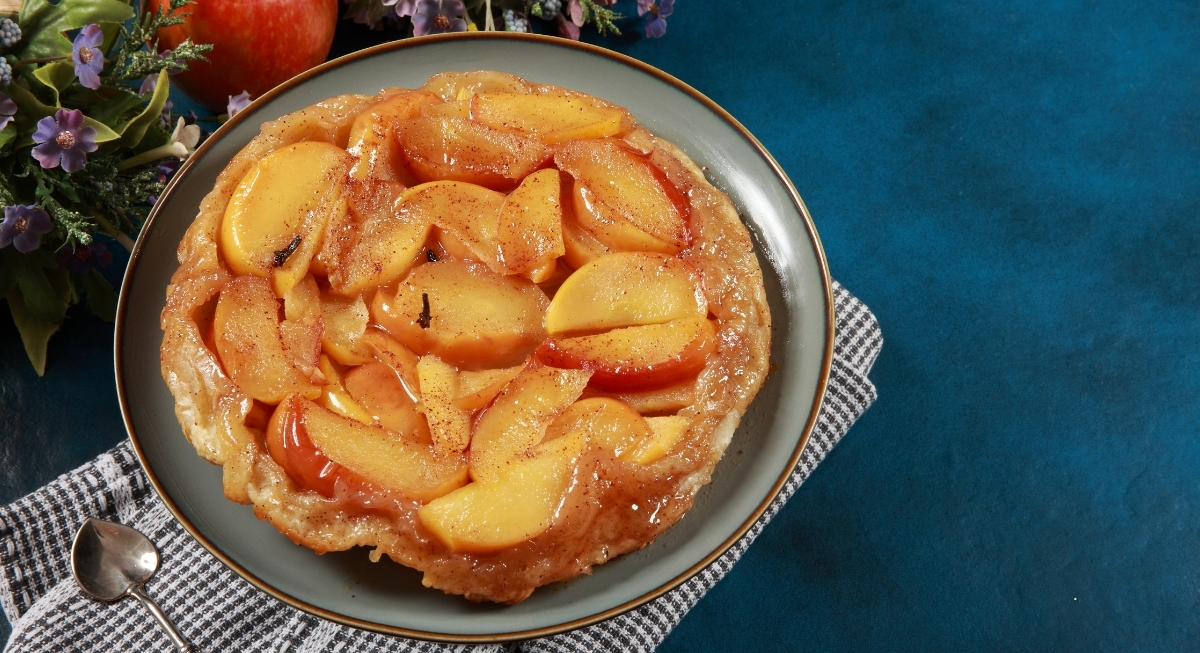
Image via Getty Images/SGAPhoto
In the late 1800s, Stéphanie Tatin, who ran a hotel in Lamotte-Beuvron, accidentally overcooked apples in butter and sugar. Instead of starting over, she placed pastry over the caramelized apples, baked the dish, and flipped it onto a plate before serving. The upside-down tart was a hit with guests and soon became known as tarte Tatin, now one of France’s most famous desserts.
Worcestershire Sauce
In early 19th-century England, chemists John Lea and William Perrins tried to recreate a sauce for a British nobleman who had developed a taste for flavors from India. The initial result was so unpleasant that they abandoned it in barrels. Months later, they revisited it and discovered that fermentation had transformed the mixture into something rich and complex. The accidental aging process gave the world Worcestershire sauce, now a go-to ingredient in everything from marinades to cocktails.
Ice Cream Cones

Image via Canva/Aflo Images
During a busy moment at the 1904 St. Louis World’s Fair, ice cream vendors ran out of bowls while serving crowds. A nearby waffle seller quickly rolled hot waffles into cone shapes so the ice cream could be carried easily. Visitors loved the portable treat, and cones soon became the standard way to serve ice cream.
Nachos
In 1943, Ignacio “Nacho” Anaya was working at a restaurant in Piedras Negras, Mexico, when a group of customers arrived after closing time. With limited ingredients available, he layered tortilla chips with melted cheese and jalapeños, then served them hot. The simple dish caught on, quickly becoming a Tex-Mex favorite, and customers began asking for “Nacho’s” special, eventually shortened to nachos.
Oyster Sauce
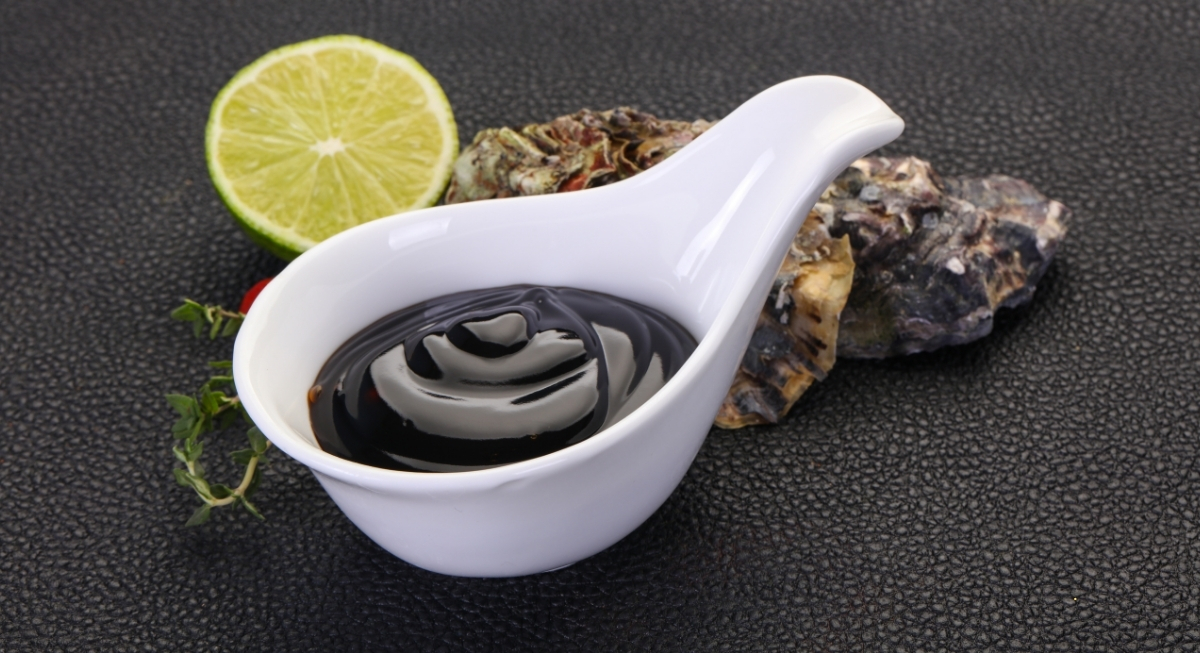
Image via Getty Images/AndreySt
Lee Kum Sheung operated a small food stall in Nanshui in 1888, when he accidentally overcooked oyster soup. The liquid thickened into a rich sauce. Lee tasted the mixture and discovered a deep savory flavor that worked well with rice and vegetables. Oyster sauce later became a cornerstone ingredient in many Asian kitchens.
Champagne
Sparkling wine grew out of winemaking challenges in 17th-century France, when cold winters in the Champagne region interrupted fermentation during wine production. As temperatures rose in spring, fermentation restarted in sealed bottles, thus producing bubbles and pressure. Winemakers eventually refined the process, and the once troublesome fizz became the hallmark of Champagne.