10 Healthy Options at McDonald’s, According to a Dietitian
McDonald’s and “healthy” hardly show up in the same sentence, but three separate dietitian-backed roundups all confirmed the same thing: smart ordering makes a real difference. When experts reviewed calories, saturated fat, sodium, fiber, and protein across the menu, several items consistently ranked highest. The key is being aware of portion size and knowing where hidden sodium and added sugars tend to pile up.
Here are 10 options dietitians repeatedly point to when you want a lighter, healthier, and more balanced choice at the Golden Arches.
Egg McMuffin
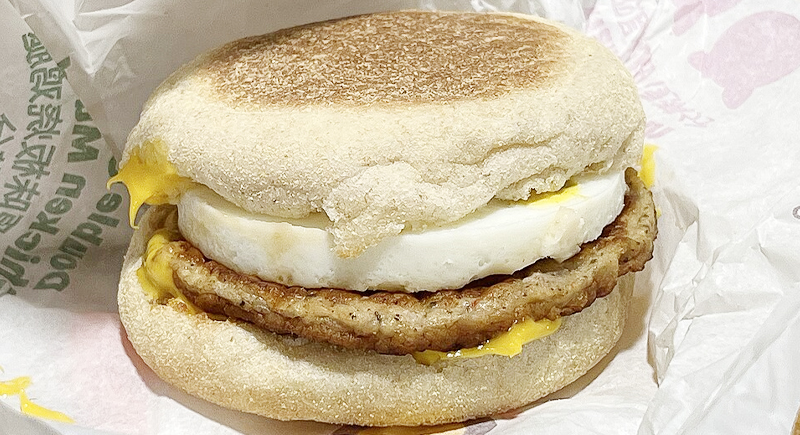
Image via Wikimedia Commons/N509FZ
At 310 calories, the Egg McMuffin delivers 17 grams of protein, which helps with fullness and blood sugar stability. It contains 13 grams of fat, six grams of saturated fat, and 770 milligrams of sodium. While the sodium is worth noting, the protein-to-calorie ratio makes it one of the more balanced breakfast sandwiches on the board.
Classic Hamburger
The standard hamburger’s simplicity works in its favor. It contains 250 calories, 12 grams of protein, nine grams of fat, 3.5 grams of saturated fat, and 510 milligrams of sodium. That leaves room in a 500-calorie framework for a smarter side. The portion size is modest, which helps keep total fat and sodium in check compared to larger specialty burgers.
Cheeseburger
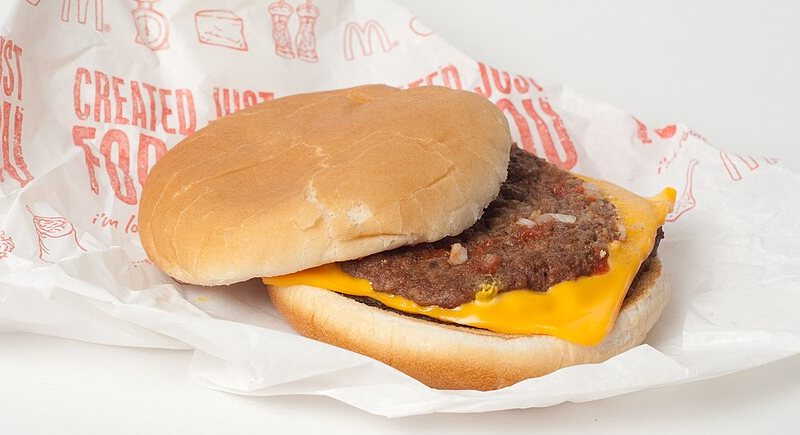
Image via Wikimedia Commons/TheDapperDan
Adding cheese increases calories and saturated fat, but the cheeseburger is still reasonable. It contains 300 calories, 15 grams of protein, 13 grams of fat, six grams of saturated fat, and 720 milligrams of sodium. The added protein can help with satiety, especially if it replaces a double-patty sandwich. It works best when paired with a lighter side like fruit.
Six-Piece Chicken McNuggets
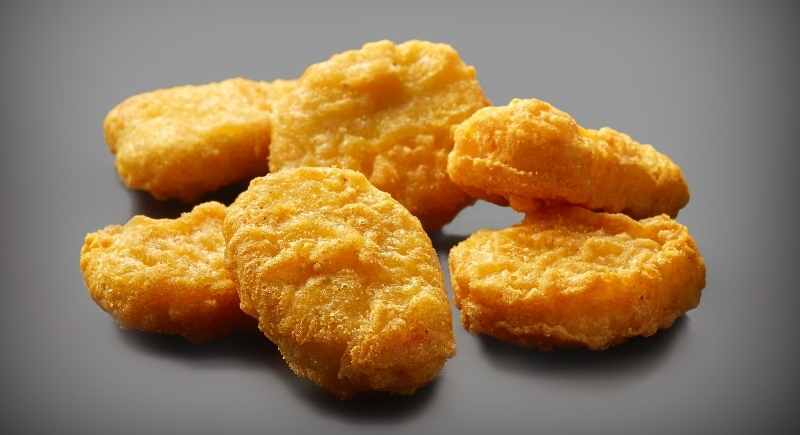
Image via Getty Images/Magone
Portion control makes this one work. A six-piece order contains 250 calories, about 14-15 grams of protein, 15 grams of fat, 2.5 grams of saturated fat, and roughly 500 milligrams of sodium. Chicken is generally leaner than many beef options, and the smaller count prevents calorie creep. The biggest variable is dipping sauce, which can quickly add over 100 calories.
Filet-O-Fish
The Filet-O-Fish regularly earns a spot because it provides variety without extreme calorie numbers. It contains around 390 calories with 16 grams of protein. Fish also supplies protein and omega-3 fatty acids, though the sandwich is still fried. Tartar sauce and cheese contribute additional fat, so using lighter toppings helps maintain its place among the healthier options.
McChicken
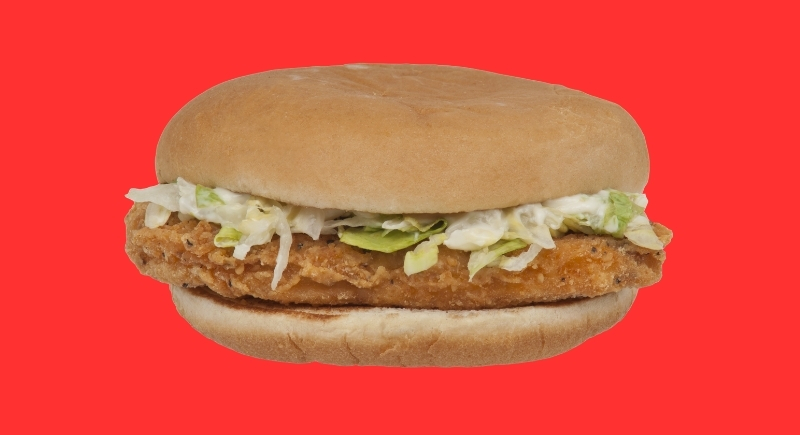
Image via Wikimedia Commons/Evan-Amos
The McChicken offers a moderate calorie count compared to larger chicken sandwiches. It typically contains 400 calories, 14 grams of protein, 21 grams of fat, 3.5 grams of saturated fat, and 560 milligrams of sodium. While it is breaded and fried, it remains lower in saturated fat than many beef-heavy alternatives. Mayonnaise drives much of the fat content, so adjusting sauce levels can improve its nutritional composition.
Fruit and Maple Oatmeal
Breakfast does not have to revolve around bread and meat. Fruit and Maple Oatmeal contains 320 calories, 31 grams of sugar, including 18 grams of added sugar from brown sugar and fruit topping. Requesting it without the brown sugar packet reduces added sugar and lowers total calories.
Apple Slices
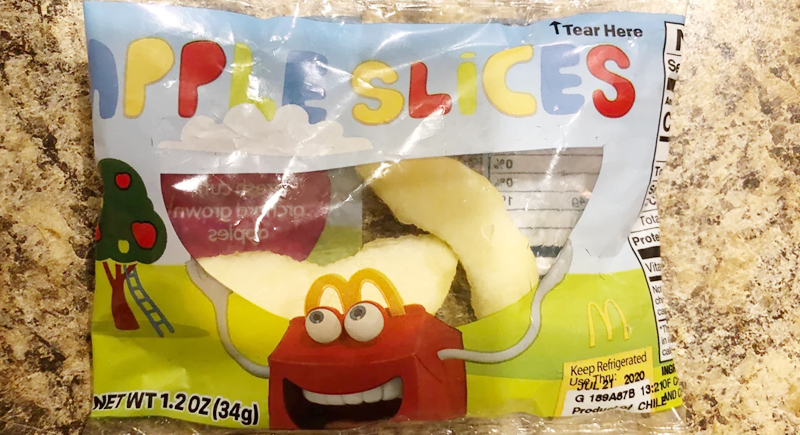
Image via Reddit/VagariTurtle
Apple Slices consistently top every dietitian’s list. They contain just 15 calories, 0 grams of fat, and 0 milligrams of sodium. While fiber is minimal at 0 grams in the packaged version, they provide a crisp alternative to fries and help round out a meal without adding excess sodium or saturated fat. They are often included in Happy Meals as a built-in lighter side.
Small Fries
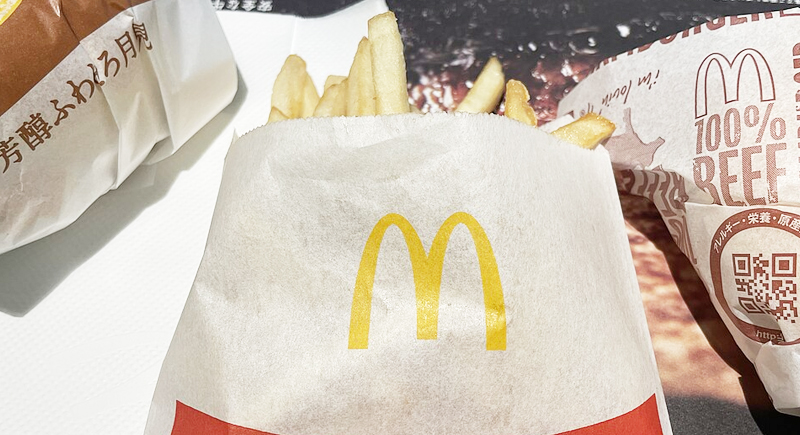
Image via Wikimedia Commons/ウィ貴公子
Fries appear on healthy lists strictly because of portion size. A small order contains 230 calories, 11 grams of fat, 1.5 grams of saturated fat, 190 milligrams of sodium, and 3 grams of fiber. Compared to a large, the calorie difference can exceed 250 calories. Choosing the smallest size allows you to enjoy the flavor without letting the side dominate the meal’s calorie load.
Small Latte
Beverages often derail an otherwise balanced meal. A small latte made with milk and coffee contains about 140 calories, 7 grams of protein, 8 grams of fat, 12 grams of carbohydrates, and 0 milligrams of sodium, according to some listings, while iced versions may list closer to 80 calories, depending on preparation. The key advantage is that it avoids added syrups and excessive sugar.