10 Foods You Should Never Buy Pre-Cut (Here’s Why)
Pre-cut produce is consistently found on grocery shelves because it promises speed and less work at home. However, what hardly gets equal attention is what changes after fruits and vegetables are sliced. Cutting accelerates moisture loss, oxidation, and nutrient breakdown, all the while increasing contamination risk and prices compared to whole produce.
Those changes happen before the food ever reaches the cart. In the following cases, the trade-off is lost flavor, shorter shelf life, higher cost, and increased risk. Keeping food whole preserves it better until the moment it’s actually needed.
Minced Garlic
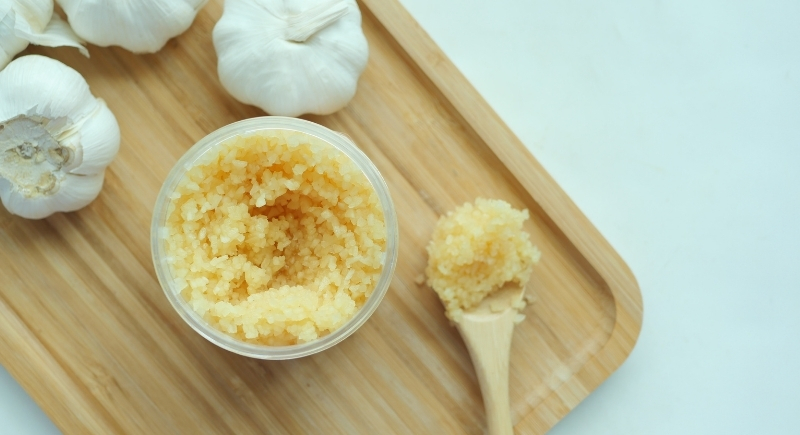
Image via Canva/towfiqu barbhuiya
Garlic’s flavor depends on chemical reactions that begin the moment a clove is crushed. Pre-minced garlic gets treated to slow spoilage and stabilize color, which softens those reactions. The result smells weaker and cooks flatter, especially in oil-based dishes where garlic should set the tone early. Whole cloves store for weeks and let you control the texture and intensity with minimal effort.
Bagged Salad Greens
Leafy greens go through cutting, washing, and mixing systems before packaging. The handling traps moisture and increases the chances of contamination spreading throughout the entire bag. Public recall data consistently points to pre-cut greens for this reason. Whole heads last longer in the refrigerator, cost less per ounce, and make it easier to spot damage or spoilage before eating.
Pre-Cut Melons
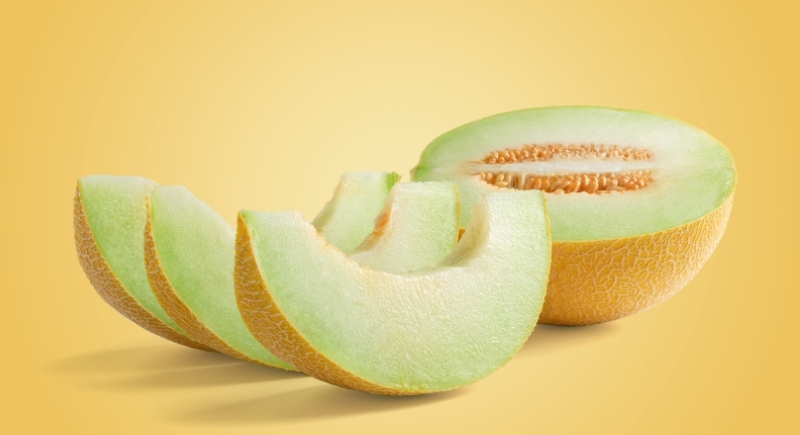
Image via Canva/Miguel Guasch
Melons carry bacteria on their rinds from the fields and transport. Once sliced, those microbes spread across the flesh, which provides an ideal environment for growth even when refrigerated. Food safety agencies regularly flag cut melon as a higher-risk item. Whole melons protect themselves naturally and are stable for days longer without strict temperature management.
Sliced Apples
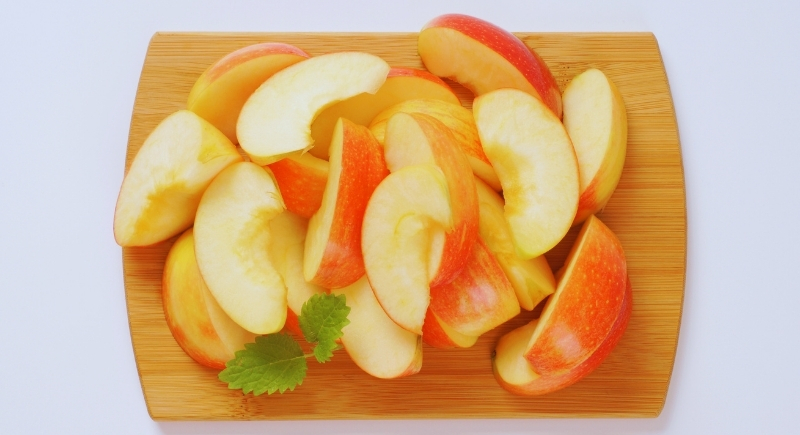
Image via Getty Images/vikif
Pale apple slices rely on anti-browning treatments that slow oxidation. The appearance hides gradual texture loss and nutrient decline, especially vitamin C. The slices soften during storage and taste less crisp than freshly cut fruit. Whole apples retain their structure and nutrition until they are sliced, which takes only seconds.
Pre-Sliced Cucumbers
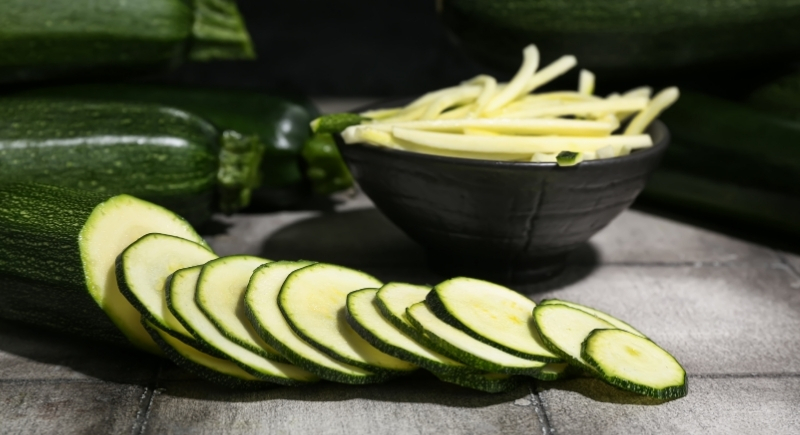
Image via Canva/pixelshot
Cucumbers hold a high water content, and slicing releases it quickly. Liquid collects in containers, causing softness and a diluted flavor, and within a short time, the texture changes from crisp to slick. Whole cucumbers, on the other hand, stay firm for days and slice easily when needed.
Pre-Cut Broccoli
Buying whole crowns of broccoli preserves freshness longer and avoids paying extra for work that takes under a minute at home. Broccoli requires little prep beyond rinsing and trimming. Once cut, florets dry fast, stems lose snap, and yellowing appears sooner. Packaging often hides this decline until opening.
Mixed Berries
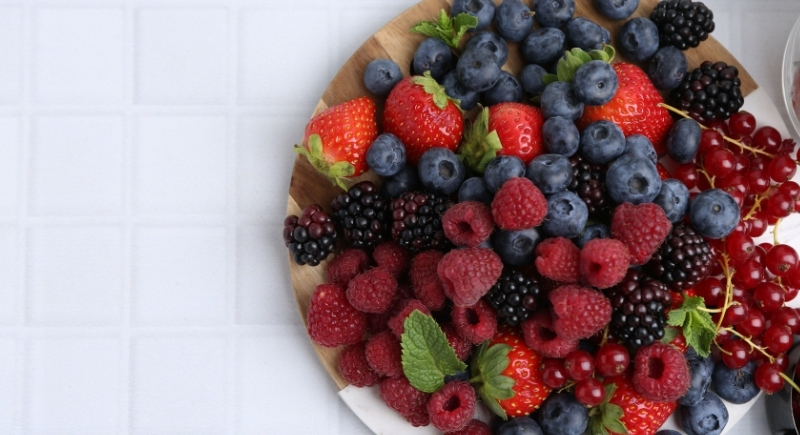
Image via Canva/Africa images
Different berries ripen and decay at different speeds. Combining them in one container creates a chain reaction in which moisture and mold spread quickly, and a single soft strawberry can spoil the entire package. Whole berries stored dry and unwashed are usable longer and allow for selective use.
Pre-Cut Pineapple
Pineapples look complicated, which drives the demand for pre-cut containers. Stores charge a noticeable premium per pound for that convenience. Once cut, their juice leaks, their texture softens, and containers turn watery within days. Whole pineapples deliver better value for the same fruit.
Pre-Cut Onions
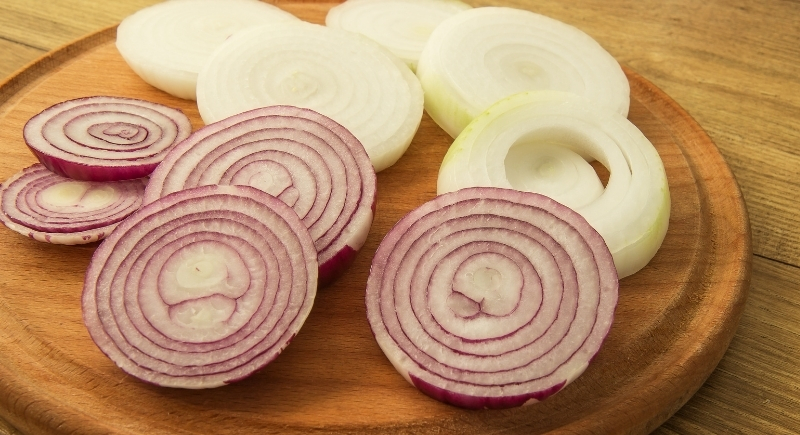
Image via Getty Images/Larasoul
Onions form the flavor base for many dishes, especially during sautéing. Pre-cut onions release compounds early and dull their aroma by the time they reach the pan. Texture also suffers during storage, so it’s better to purchase whole onions.
Citrus Wedges
Whole oranges, lemons, and mandarins maintain freshness until use with almost no prep effort. The citrus peels protect both structure and vitamin C. Cutting exposes flesh to air, which leads to juice loss and faster nutrient decline.