10 Foods You Eat Every Day That Are Banned Around the World
Food laws vary widely across countries, and many restrictions take effect long before shoppers notice a change. More than 160 countries limit certain livestock drugs, several European nations regulate synthetic food dyes linked to child behavior studies, and some imports get blocked over packaging rules alone. Other everyday grocery items face bans due to cancer research findings, contamination risks, or animal welfare standards.
These decisions rarely make headlines, but they shape what ends up on store shelves worldwide. As a result, many foods that feel completely normal in American kitchens face strict regulation or outright bans in other parts of the world.
Bread Made With Potassium Bromate
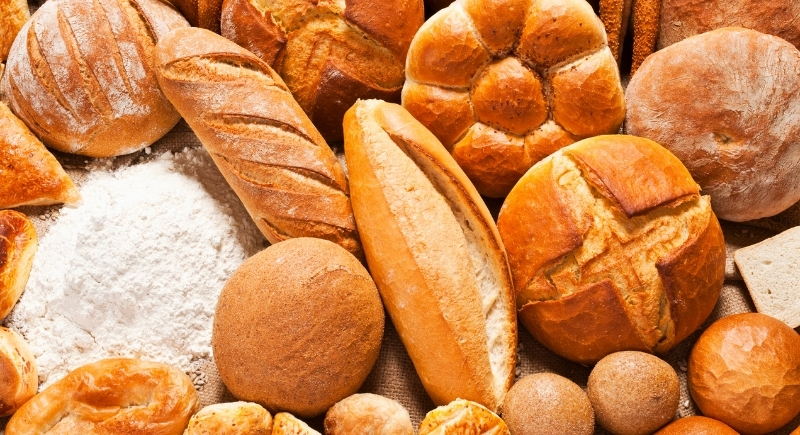
Image via Getty Images/semakokal
Commercial bakeries have used potassium bromate to strengthen dough and speed baking, but the International Agency for Research on Cancer has classified it as possibly carcinogenic. The European Union, the United Kingdom, Canada, and Brazil prohibit it in food production. However, United States manufacturers still use it in certain breads, though many brands have voluntarily removed it.
Boxed Mac And Cheese With Yellow Dye Additives
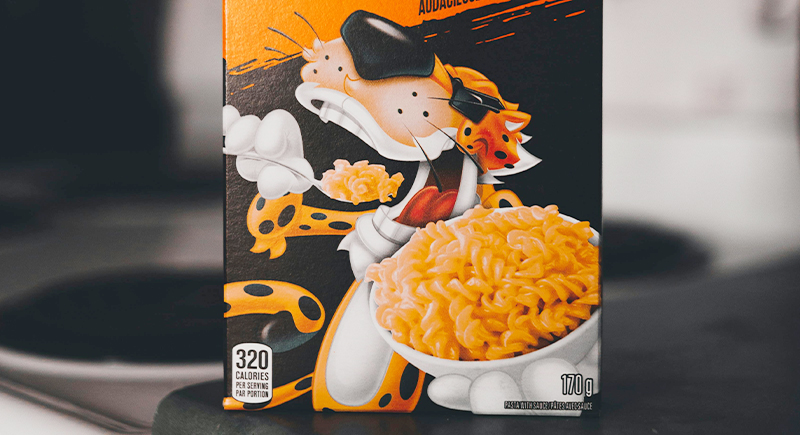
Image via Pexels/Erik Mclean
Yellow 5 and Yellow 6 are synthetic colorings that help maintain a bright orange color in packaged pasta meals. Norway and Austria restrict certain synthetic dyes after studies linked them to hyperactivity and allergy risks in children.
Citrus Soda Containing Brominated Vegetable Oil
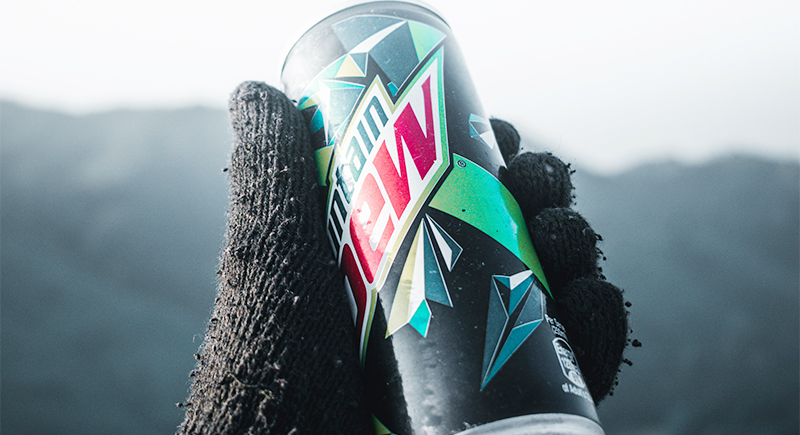
Image via Unsplash/Evenezer Marak
Brominated vegetable oil keeps citrus flavoring mixed evenly in drinks. Japan and the European Union prohibit BVO because it can build up in body fat after long-term intake. Some versions of drinks like Mountain Dew have even had BVO in them. Furthermore, it can also be used as a flame retardant sometimes.
Instant Noodles With TBHQ And High MSG Levels
Tertiary butylhydroquinone extends shelf life in processed noodles. Research has linked high exposure to nausea and neurological symptoms in sensitive groups. Several European regulators require strict labeling or limit usage levels. MSG remains legal globally, though consumption warnings appear in many regions.
Pork Raised With Ractopamine Feed Additives
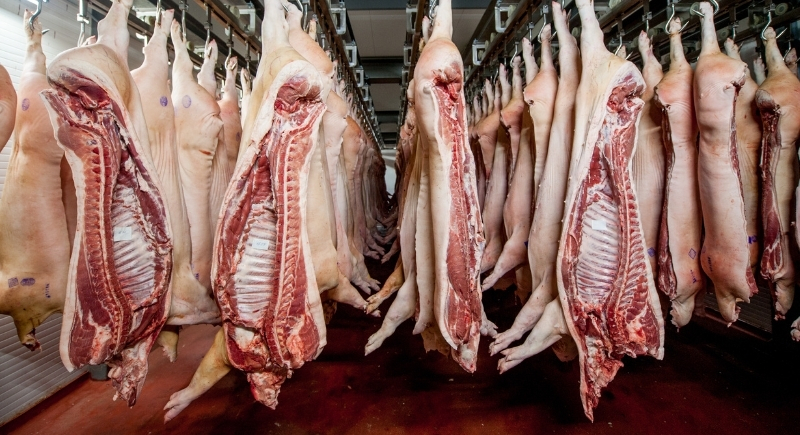
Image via Getty Images/agnormark
Ractopamine increases lean muscle growth in pigs. China, Russia, and the European Union ban meat raised using this drug. More than 160 countries restrict or prohibit its use due to cardiovascular side effect concerns, but the United States still allows controlled usage under federal guidelines.
Farm-Raised Salmon With Synthetic Pigment Feed
Fish farms often use color additives to create the pink tone shoppers expect. Environmental studies have also found higher PCB contamination levels in certain farm-raised stocks. Australia and New Zealand limit imports tied to specific farming conditions while promoting wild-caught alternatives.
Foie Gras Produced Through Force Feeding
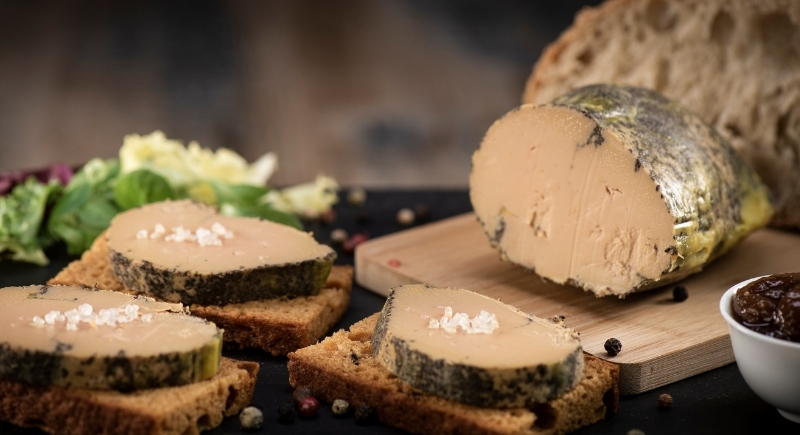
Image via Getty Images/SpiritProd33
Foie gras production often involves feeding ducks or geese through tubes to enlarge liver tissue. California, Israel, India, and several European regions restrict its production or sales tied to animal welfare concerns. Alternative feeding methods exist, though production remains limited and expensive.
Kinder Surprise Chocolate Eggs
The United States bans candy containing non-edible objects under a federal food safety law dating back to 1938. Regulators classify hidden toys as choking hazards, so split packaging versions that separate toy and food meet safety rules and appear in certain stores in the United States.
Raw Unpasteurized Milk
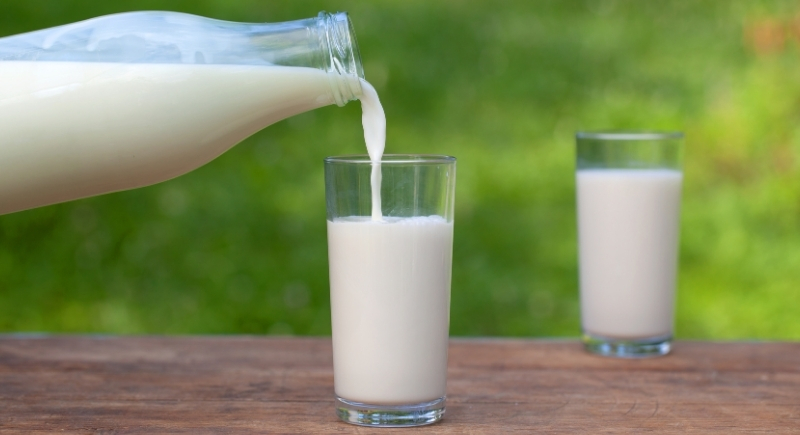
Image via Getty Images/Boarding1Now
Raw milk can carry E. coli, Salmonella, and Listeria bacteria. Canada and Australia ban retail sales nationwide. Several places in the United States restrict sales to farm locations only. Public health agencies continue to warn that pasteurization dramatically reduces foodborne illness risk.
Wild Fugu Pufferfish Products
Fugu contains tetrodotoxin, a poison strong enough to cause paralysis or death in small doses, and the European Union bans imports completely. Japan allows sales only through licensed chefs who complete years of toxin removal training because even minor preparation errors can turn fatal.