10 Foods That Never Expire
Expiration dates influence how food is purchased, stored, and disposed of. In the United States, more than one-third of all food is wasted each year, totaling over $160 billion in discarded groceries. Federal guidance confirms that most date labels exist to signal peak quality, not risk, with infant formula being the key exception.
The gap between perception and reality leads many households to throw away items that remain stable for years. Some foods resist spoilage by design, and understanding why explains how certain pantry staples outlast their labels by a wide margin.
Honey
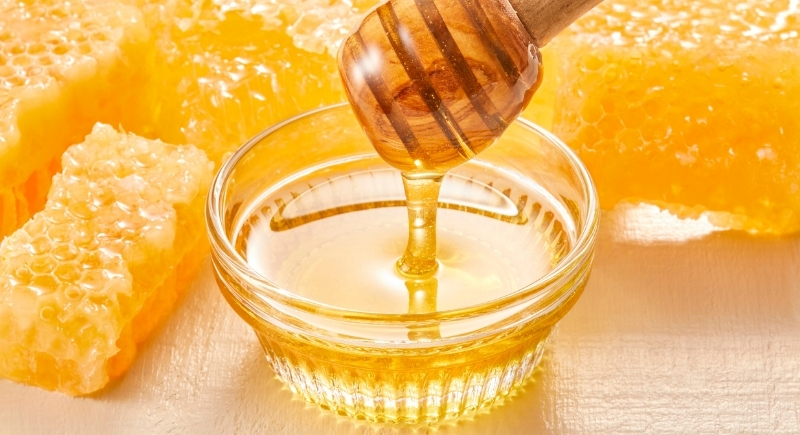
Image via Canva/Aflo Images
Honey earns its reputation because microbes struggle to survive in it. Its low moisture content and natural acidity block bacterial growth, which explains why sealed honey can last for multiple years. Over time, honey often crystallizes, a natural reaction that affects texture only. Gentle warming returns it to its liquid form without altering its safety or flavor. Proper storage away from heat and moisture keeps honey reliable for the long term.
Salt
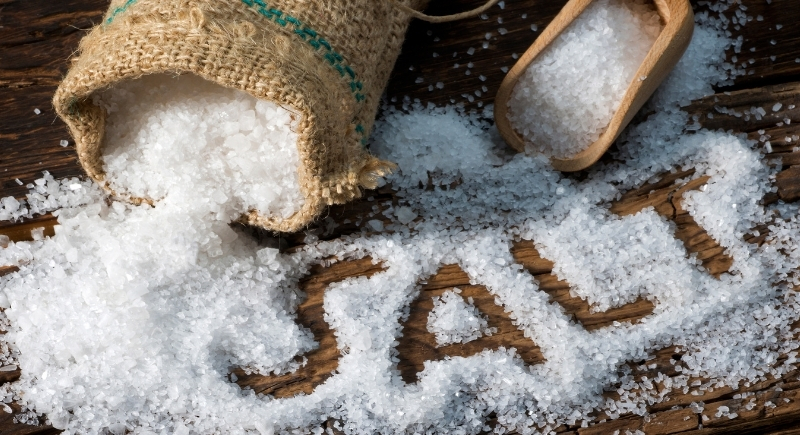
Image via Getty Images/ac_bnphotos
Salt never goes bad because it is a mineral. It does not support bacteria, mold, or chemical breakdown. Clumping happens when moisture enters the container, though its safety remains unchanged. Plain salt lasts indefinitely, while fortified versions may lose potency after several years. An airtight container keeps it dry and easy to use.
Sugar
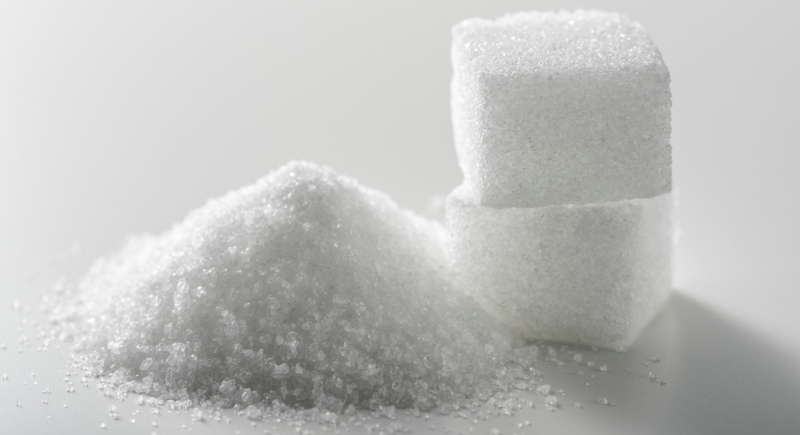
Image via Getty Images/kuppa_rock
Sugar remains stable for the same reason salt does. Microorganisms need water to grow, and sugar offers very little of it. White, brown, and powdered sugar can harden when exposed to humidity, though they stay safe. Breaking up hardened sugar or softening it restores its usability, and sealed storage prevents most texture changes.
White Rice
White rice stands apart from other grains because milling removes the oils that cause spoilage and deterioration. Without those oils, oxidation slows dramatically. Stored in airtight containers and kept cool, white rice stays safe for years. Brown rice behaves differently due to retained oils, which explains its shorter shelf life.
Dried Beans
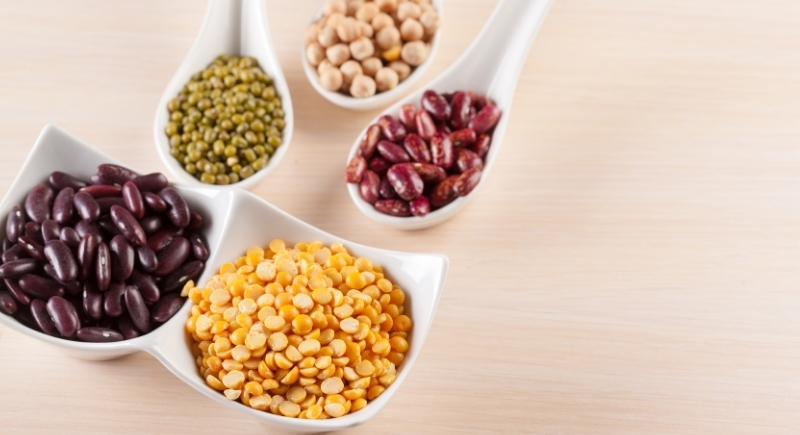
Image via Getty Images/FabrikaCr
Dried beans last for years because moisture has been removed almost entirely. As beans age, they become harder and take longer to cook, though they do not become unsafe. Extended soaking and longer cooking times help restore texture. Their durability makes them a reliable pantry staple during long storage periods.
White Vinegar
White distilled vinegar resists spoilage due to its high acidity. The acidic environment prevents bacteria from surviving, which keeps vinegar chemically stable for years. Cloudiness or sediment may appear with time, though these changes do not affect safety or usefulness. Vinegar remains dependable for cooking and cleaning alike.
Cornstarch
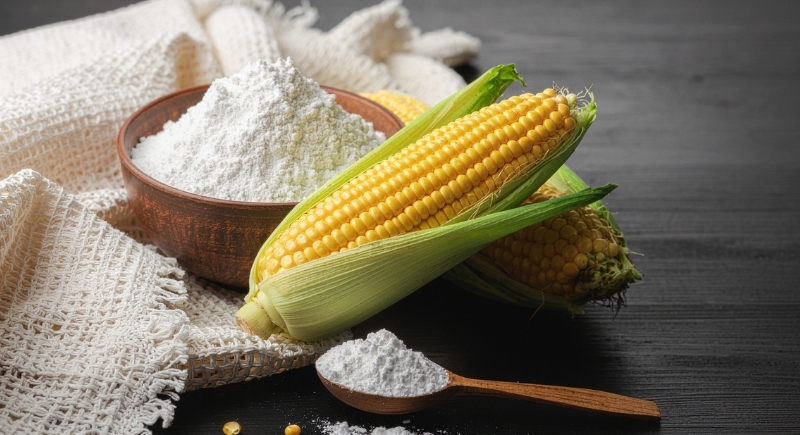
Image via Canva/velyblee
Cornstarch contains neither fat nor protein, which limits chemical reactions that lead to spoilage. Stored in a dry, sealed container, it remains good to use indefinitely. Moisture causes clumping, though the starch itself remains safe. Keeping humidity away preserves texture and performance.
Soy Sauce
Soy sauce stays stable because fermentation and salt work together to block microbial growth. Unopened bottles last several years at room temperature. Refrigeration after opening slows flavor changes and preserves quality longer. Its safety holds steady even with extended storage.
Instant Coffee
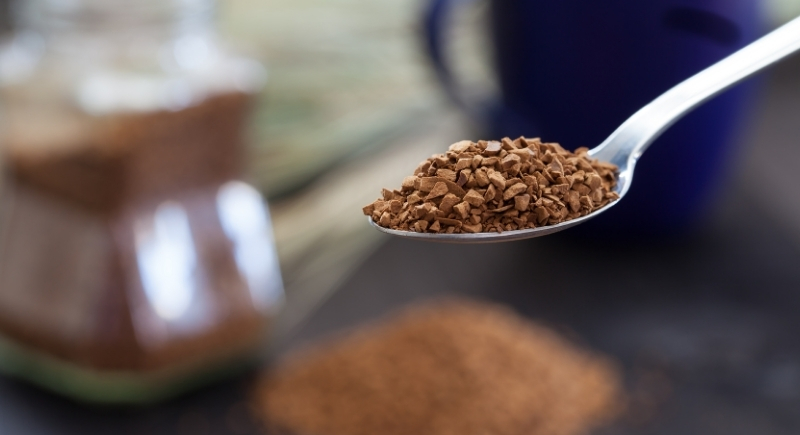
Image via Getty Images/jn-design
Instant coffee lasts far longer than brewed coffee because moisture is removed during processing. Without water, bacteria cannot grow. Stored away from heat and humidity, instant coffee keeps its structure and flavor well past its labeled date.
Hard Liquor
Spirits like vodka, whiskey, and rum resist spoilage due to high alcohol content. Alcohol prevents microbial growth, keeping sealed bottles safe indefinitely. Once opened, slow flavor changes may occur due to oxidation, though the liquid remains safe to drink.