10 Fast-Food Chains That Hide Their Ingredients From the Public
Ingredient secrecy in fast food is not rare. The menus may be packed with calorie counts and allergen charts, but those tools only tell part of the story. U.S. regulations require allergen disclosure, not full ingredient transparency, which leaves companies free to decide how much detail to share.
Some chains publish all their information online, while others keep ingredient details limited, fragmented, or available only after direct contact. The chains below limit public access to their ingredient information, but they do it in very different ways, for very different reasons.
Burger King
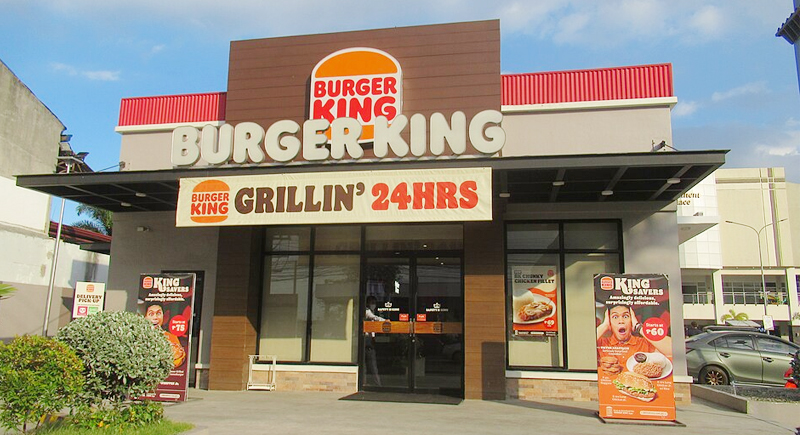
Image via Wikimedia Commons/JDipterocarpus
At one point, Burger King’s ingredient lists were easy to find, which makes their disappearance more noticeable. The company shifted toward publishing nutrition data and allergen charts while removing complete formulations from public pages. Ingredient transparency is now handled reactively rather than proactively, meaning details surface only after repeated customer inquiries. This change happened alongside high-profile marketing campaigns about banned additives, which created a transparency-forward image without restoring full disclosure.
Moe’s Southwest Grill
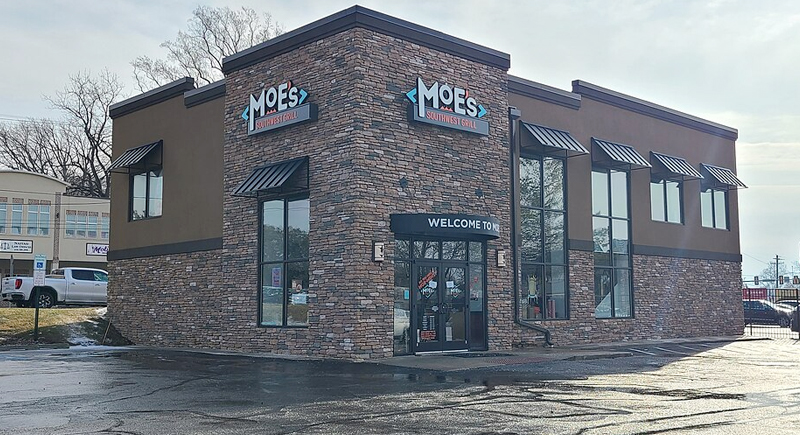
Image via Wikimedia Commons/Mike Kalasnik
Moe’s Southwest Grill is unusual in how little centralized information exists, even internally. Corporate customer service has acknowledged that they do not hold complete ingredient lists. Franchise locations often rely on supplier boxes that may already be opened or discarded. This creates a system where ingredient knowledge is fragmented across locations.
Wingstop
The approach at Wingstop reflects classic trade-secret thinking. Ingredient details beyond allergens are described as proprietary, especially for sauces and seasoning blends. While fryer oil type has been publicly acknowledged, flavor formulations are treated as intellectual property. This aligns with Wingstop’s brand identity, which centers heavily on sauces as a differentiator.
Raising Cane’s
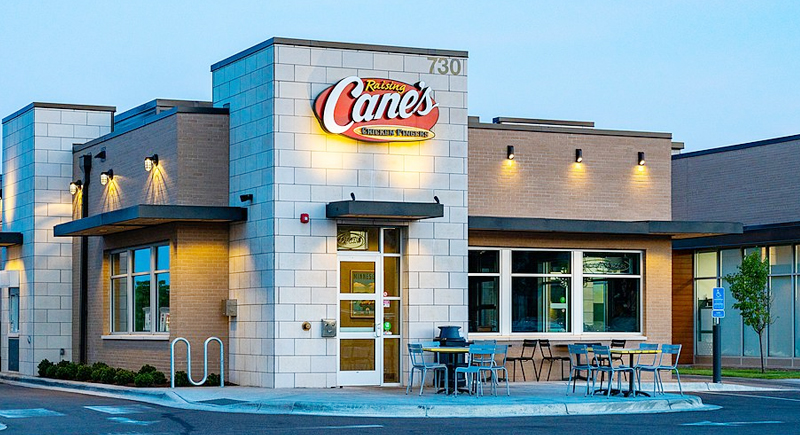
Image via Wikimedia Commons/Tony Webster from Minneapolis, Minnesota, United States
Menu simplicity plays a role in how Raising Cane’s manages information. With only a handful of items, the company leans hard into secrecy as part of its brand mystique, particularly around its sauce. Rather than publishing lists, customer service will confirm individual ingredients when asked. This piecemeal confirmation system allows the company to stay legally compliant while never presenting a complete picture in one place.
Jimmy John’s
Speed and consistency have always defined Jimmy John’s, and ingredient disclosure follows that same minimalist logic. Instead of publishing comprehensive lists, the company asks customers to identify what they want to avoid. Bread ingredients have been partially confirmed over time, yet full formulations remain unavailable. This selective disclosure model prioritizes allergy management over general transparency.
Sonic Drive-In
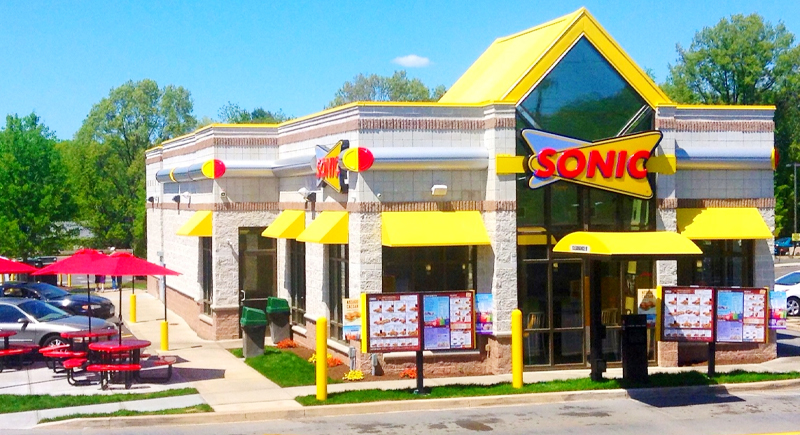
Image via Wikimedia Commons/Mike Mozart from Funny YouTube, USA
The language used by Sonic Drive-In is notable for openly acknowledging its own limitations. The allergen guide explicitly states it does not capture all ingredients, which is more candid than many competitors. The disclaimer effectively shifts responsibility to the consumer while still withholding full details. Ingredient access depends on follow-up conversations that may or may not lead anywhere.
Bojangles
Ingredient secrecy at Bojangles is deeply historical. Requests for ingredient lists have been declined for more than a decade, and public disclosures have never been standardized. When ingredient details surfaced in the past, they came from internal packaging rather than official releases. The lack of updates since then raises questions about whether current formulations differ from what was previously exposed.
Steak ’n Shake
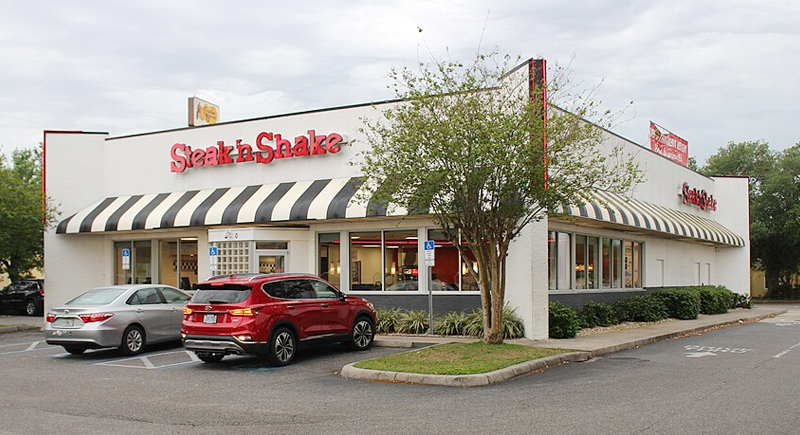
Image via Wikimedia Commons/Michael Rivera
Transparency at Steak ’n Shake exists in pockets rather than across the menu. Ingredients for fries and select items are published, while core components like buns and shakes remain undocumented. The company has publicly discussed changes involving beef tallow, butter, and seed oils, which shows a willingness to discuss inputs without releasing full formulations.
Shake Shack
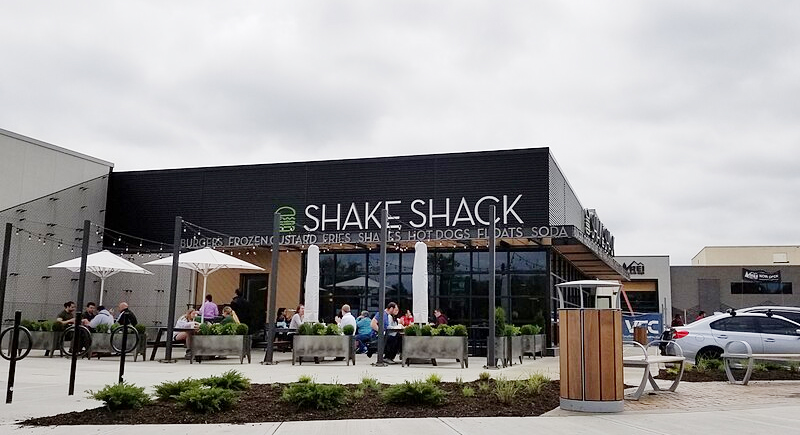
Image via Wikimedia Commons/Mike Kalasnik from Jersey City, USA
Unlike most chains on this list, Shake Shack will provide complete ingredient lists if asked directly. The key difference is access, not existence. By keeping those lists off its website, the company places transparency behind a barrier. This approach preserves brand messaging around quality.
Taco Bell
The case of Taco Bell shows how partial disclosure can feel complete at first glance. The company has publicly shared percentages for its seasoned beef and acknowledged the use of binders and flavoring agents. What remains missing is a single, unified document showing full formulations. Information exists, but it is scattered across disclosures, FAQs, and older statements.