10 Fast Food Chains That Are Closing Locations Rapidly in 2025
Fast food chains spent much of 2025 adjusting to a tougher business environment. Customer visits dropped compared to earlier post-pandemic years, while labor, ingredients, and real estate costs stayed elevated. Many brands realized some large or poorly located stores no longer made financial sense. Instead of maintaining oversized footprints, companies switched to profitability by closing weaker restaurants, strengthening high-performing ones, and redirecting money into digital ordering, drive-thru upgrades, and smaller store formats designed for current dining habits.
Starbucks
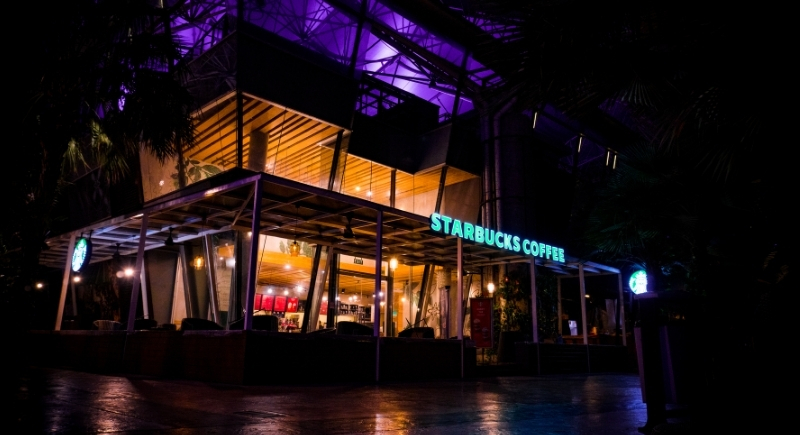
Image via Pexels/Aprido Islam Perdana
Starbucks announced plans to close about 500 locations across North America as part of a restructuring effort valued at roughly $1 billion. Some closures even touched high-visibility stores, including a Reserve Roastery site in Seattle. Company leadership framed the decision as a reset after traffic in United States cafés slowed.
Wendy’s
Wendy’s started shutting down underperforming restaurants near the end of 2025 after reviewing its nationwide footprint. Executives suggested a mid-single-digit percentage of United States locations could close, which equals hundreds of restaurants. These moves fall under its turnaround plan called Project Fresh. The review came after same-store sales slowed and competitors attracted more value-focused customers looking for cheaper menu options during a tight economic period.
Denny’s
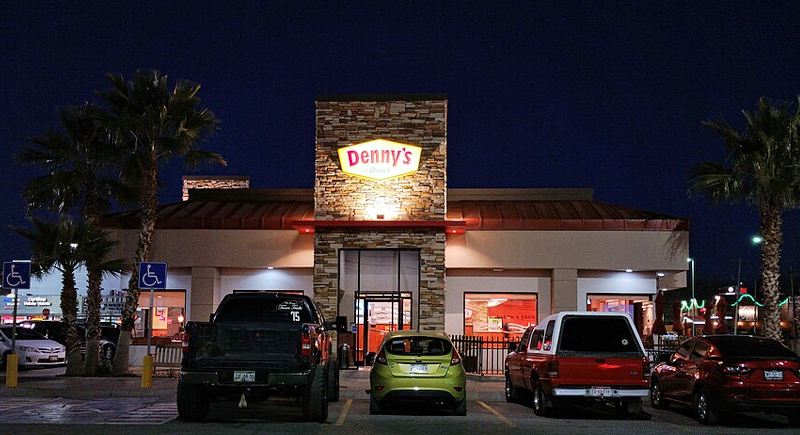
Image via Wikimedia Commons/Zijun93
Denny’s confirmed it would close between 70 and 90 locations during 2025 as traditional sit-down breakfast traffic weakened. Many diners chose faster, cheaper drive-thru breakfast alternatives instead of full-service meals, and older restaurant buildings felt the pressure the most. At the same time, the company invested in remodeling stronger locations and navigating ownership changes.
Jack in the Box
Jack in the Box announced it would close between 150 and 200 restaurants under its Jack on Track strategy. By the end of its fiscal year, dozens had already closed permanently. Management described the move as necessary following stock declines and inconsistent performance across different regions.
Hardee’s
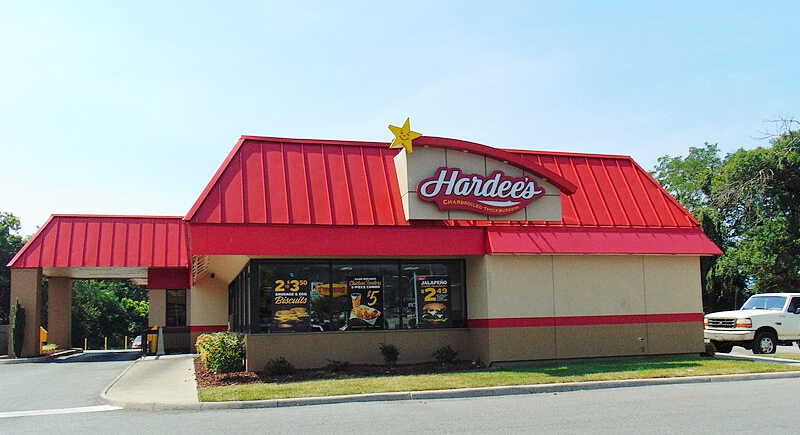
Image via Wikimedia Commons/JJBers
Hardee’s closures were largely driven by franchise issues rather than broad corporate restructuring. A legal dispute with one of its largest franchisees led to missed payments and forced dozens of restaurants to shut down across several states.
Papa John’s
Papa John’s closed more than 170 restaurants worldwide during the first three quarters of 2025, including over 60 in the United States. Many closures happened in weaker international markets, but domestic locations were also affected. Even after these reductions, the chain still maintains nearly 6K locations worldwide.
Noodles & Company
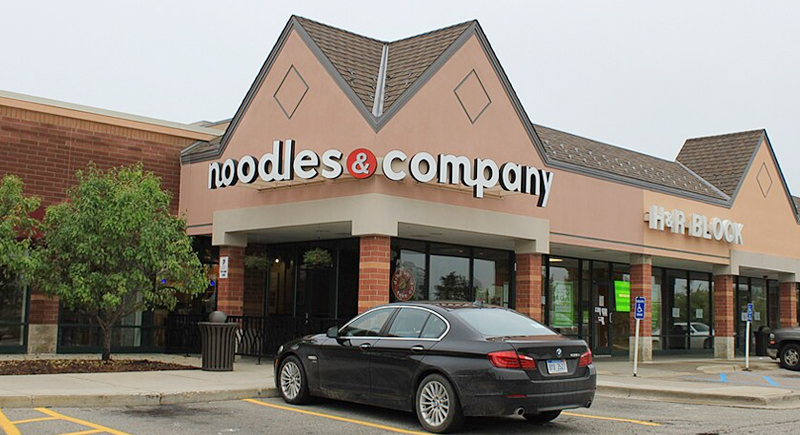
Image via Wikimedia Commons/Dwight Burdette
Noodles & Company continued trimming its store count after closing dozens of locations across 2024 and 2025. Executives said additional underperforming restaurants would shut by year’s end, with more planned through 2026. The goal is to stabilize the brand rather than make a single large round of shutdowns.
Del Taco
Del Taco experienced sudden regional losses. In Colorado, a franchisee’s bankruptcy led to the closure of 18 locations almost simultaneously, leaving only one restaurant operating in the state. The closures were tied to franchise financial issues rather than overall brand performance.
CosMc’s
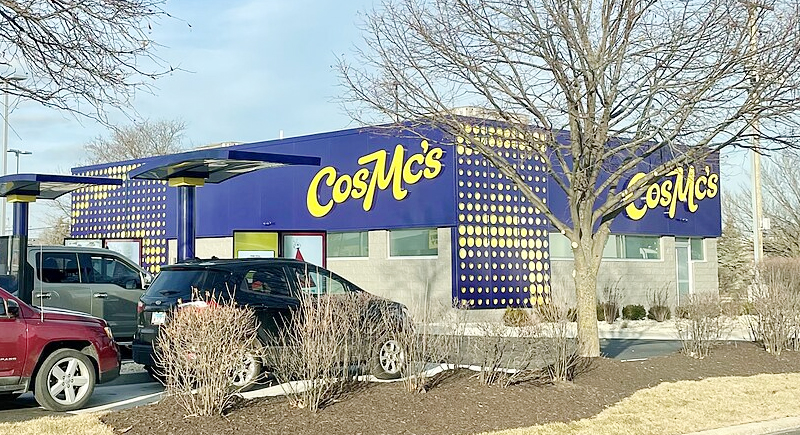
Image via Wikimedia Commons/Nkon21
The CosMc’s concept, created as a beverage-focused test brand connected to McDonald’s, closed several early pilot locations after market reviews. The project was designed for rapid experimentation, so leadership expected some stores would not succeed. However, the company continues testing smaller versions of the concept.
Domino’s
Domino’s planned to close up to 205 restaurants during 2025, with most closures happening outside the United States. Japan accounted for at least 170 of those shutdowns. The decision reflected changing international demand and local market pressures rather than core brand weakness.