10 Famous Foods That Were Actually Invented Out of Desperation
Some of the biggest food hits in history came from tight situations where someone had to think on their feet. A missing ingredient, an unhappy customer, an empty kitchen, or even a personal struggle pushed people into quick decisions that created some memorable and very popular foods. And we’ve got the most surprising 10 lined up for you.
The Sandwich
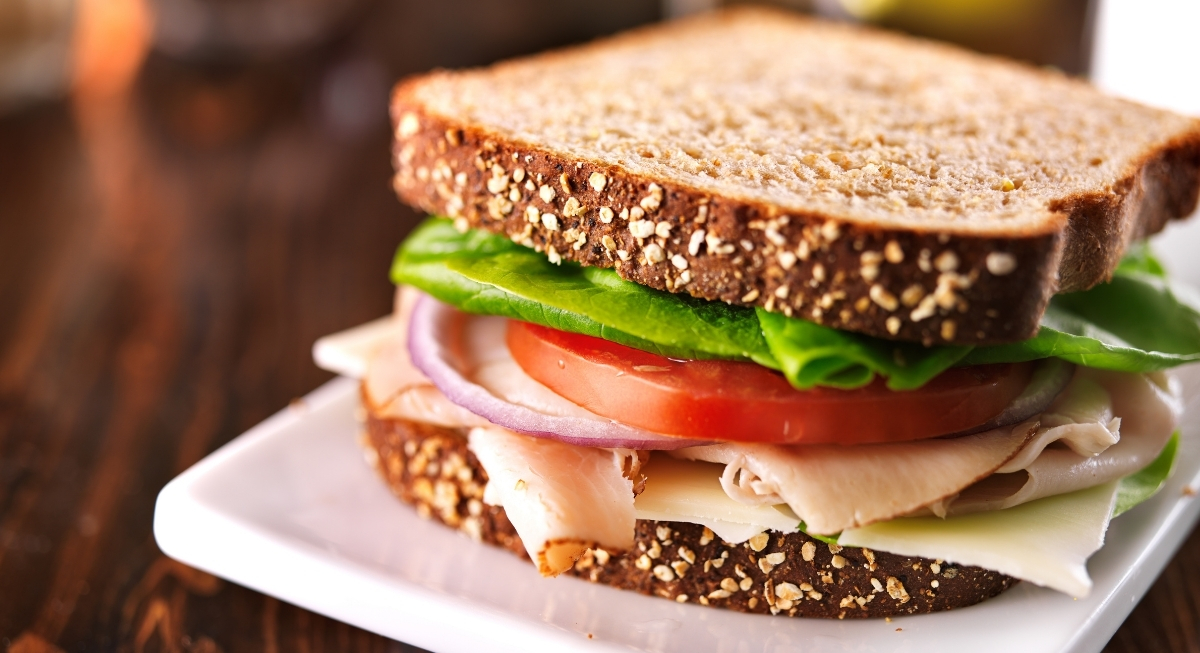
Image via Canva/Joshua Resnick
A long card game was the only thing John Montagu, the Earl of Sandwich, cared about in 1762. Stopping for a proper meal wasn’t an option, so he asked for meat tucked between slices of bread. It kept the game going and his hands clean. Other players quickly copied the idea, asking for “the same as Sandwich.”
Potato Chips
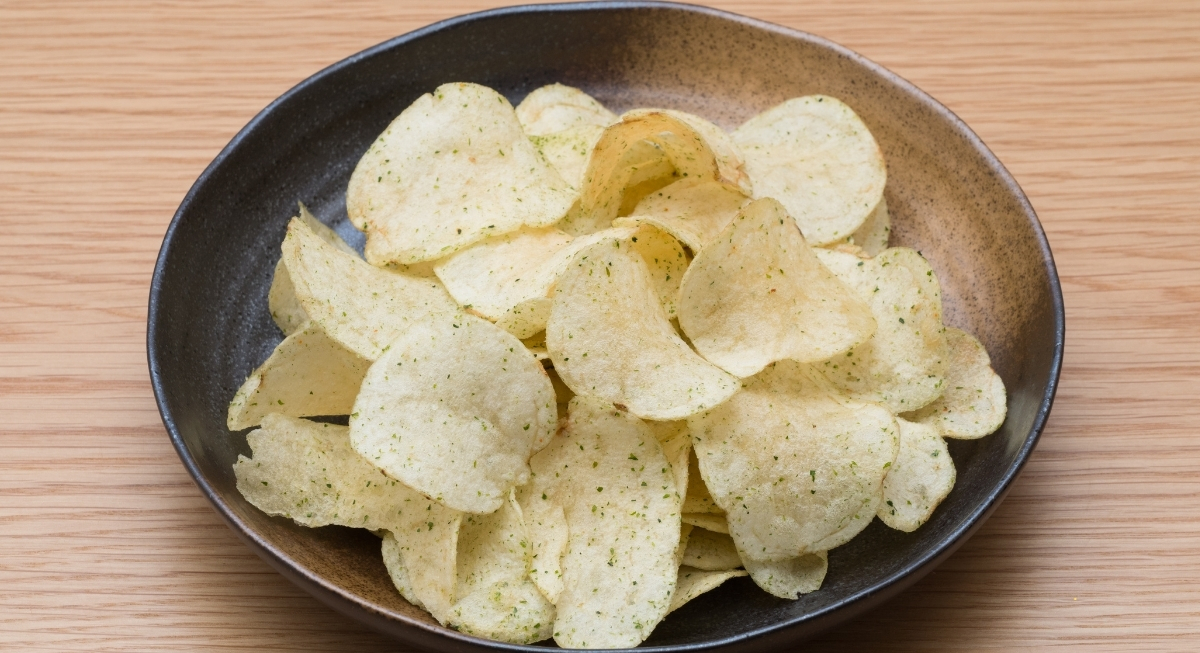
Image via Getty Images/y-studio
In 1853, a customer kept sending fried potatoes back to George Crum’s kitchen, insisting they were too thick. After repeated complaints about the thickness of the potatoes, Crum pushed back by slicing them extremely thin and frying them until crisp. The move was meant to settle the argument, but the customer approved it instead. This led to potato chips soon becoming a popular snack.
Chocolate Chip Cookies
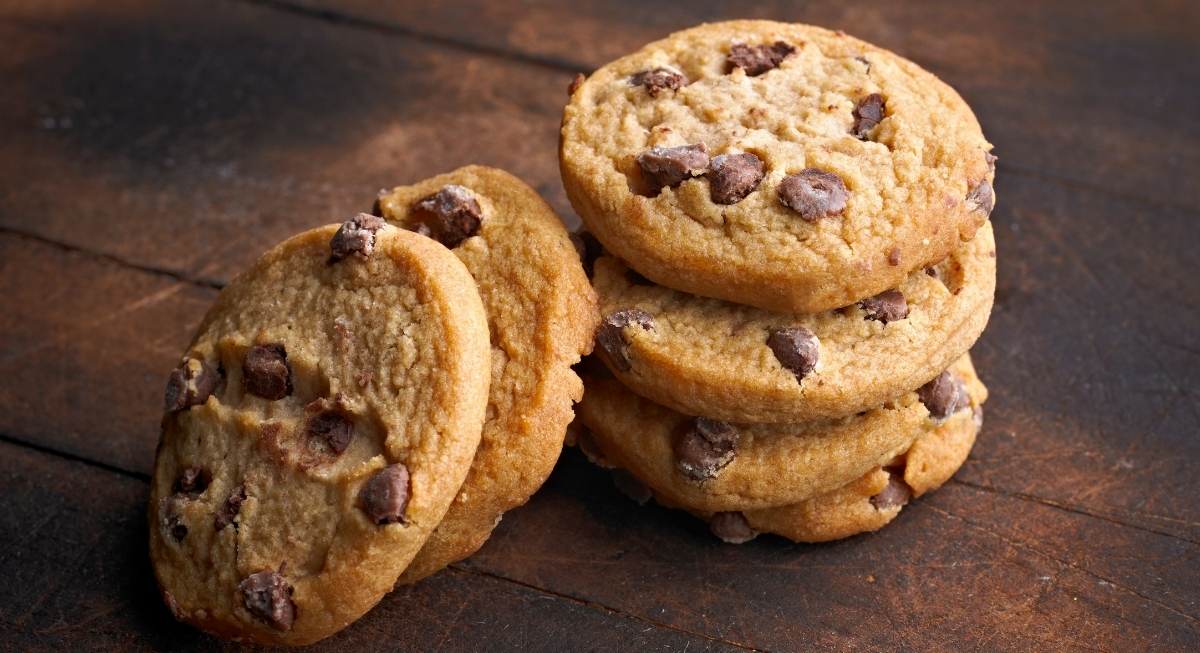
Image via Getty Images/4kodiak
Ruth Wakefield didn’t set out to invent anything new in 1938: she just ran out of baker’s chocolate. So she improvised by chopping up a Nestlé chocolate bar and mixing it into the dough, expecting it to melt evenly. The chocolate held its shape and formed chunks inside the cookie. Guests loved the texture, and the rest is history.
Coca-Cola
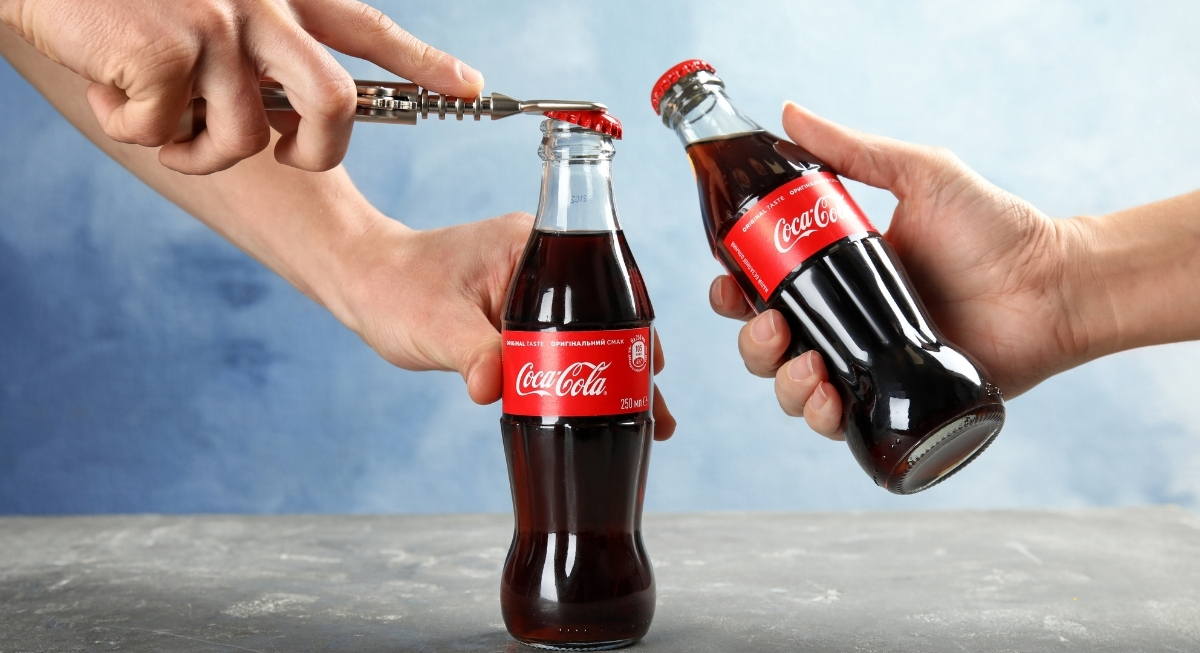
Image via Canva/Africa images
Surprisingly, this one didn’t begin as a treat or a cool, refreshing drink. Dr. John Pemberton worked on a tonic in 1886 while trying to manage morphine dependence after a Civil War injury. His experiments produced a syrup meant for medicinal use. It wasn’t intended as a drink people would casually enjoy. The defining moment came when it was mixed with carbonated water.
Corn Flakes
In 1894, the Kellogg brothers left cooked wheat sitting out overnight. They chose to use it anyway rather than waste it, and when rolled, the wheat formed flakes rather than sheets. They toasted the flakes and served them to patients at their sanitarium, where they became popular. That’s right, cornflakes weren’t planned either.
Fudge
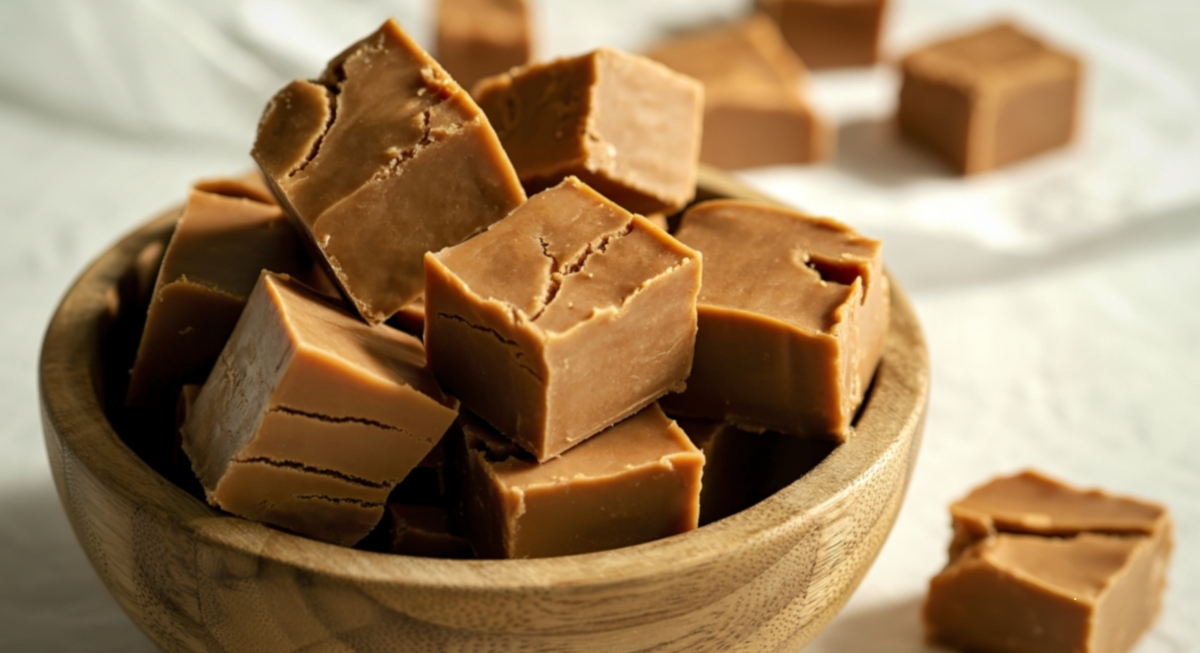
Image via Canva/Florin Petrescu’s Images
In Baltimore in the 1880s, a confectioner’s apprentice got the process wrong while making caramel. Instead of discarding the mixture, she continued working with it to avoid wasting ingredients. This resulted in a softer, creamier candy that was very noticeable. People began asking for the “fudged” version, and the name became a recognizable treat.
Nachos
Ignacio “Nacho” Anaya faced a group of customers after closing with very little food left. He combined tortilla chips, cheese, and jalapeños and melted them together. The simple dish was an immediate hit with his customers, who named it after him.
Chimichangas
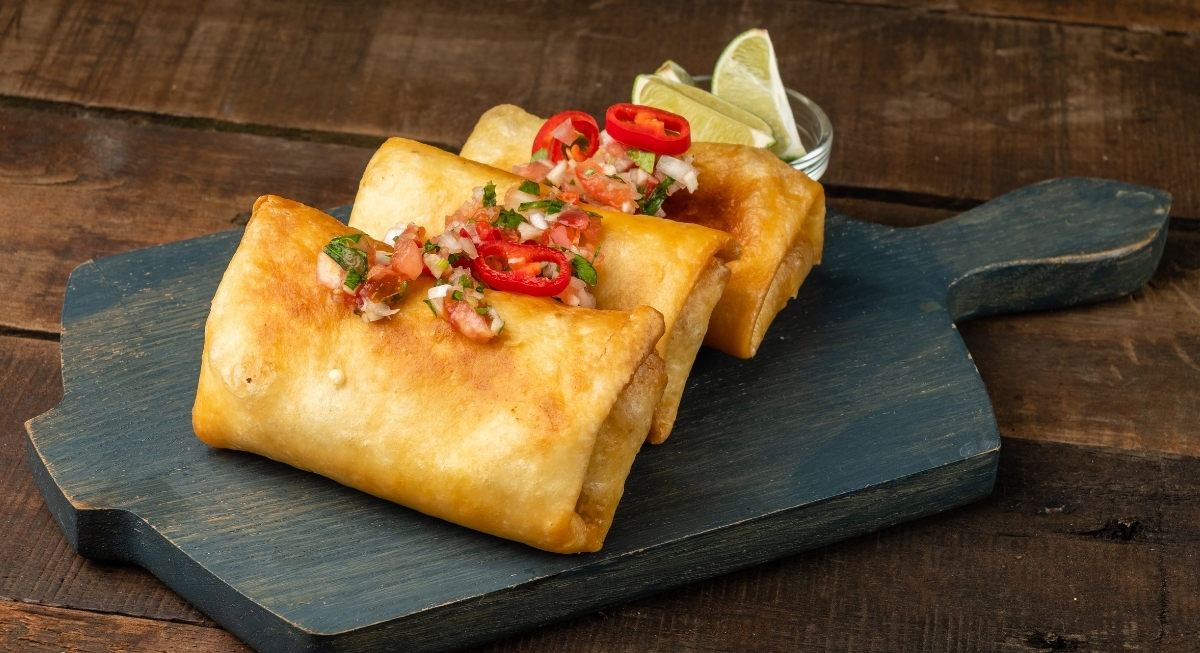
Image via Getty Images/Alexandr Milodan
In the 1950s, Monica Flin accidentally dropped a burrito into hot oil in her Arizona restaurant. She let it cook instead of throwing it away, and the tortilla turned crisp while the filling stayed warm. That contrast became the defining feature of chimichangas.
Peanut Butter
In 1895, Dr. John Harvey Kellogg sought foods elderly patients could eat easily. He experimented with grinding nuts into a paste, and peanuts proved to be the best option. The result was smooth, filling, and easy to digest. Peanut butter soon became a household condiment beyond its original purpose.
Worcestershire Sauce
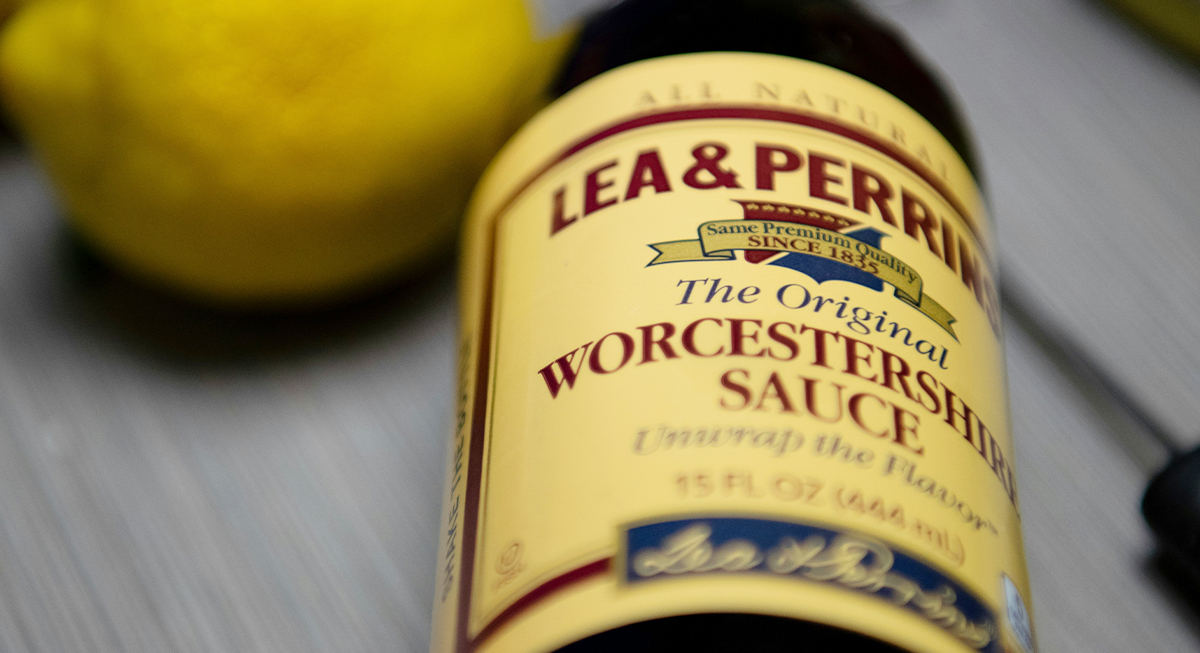
Image via Unsplash/Worcestershire Sauce
In 1835, chemists John Lea and William Perrins created a sauce that tasted so bad they couldn’t use it, so they stored it away and left it for years. Fermentation transformed the mixture into a rich, complex flavor. The same batch had become Worcestershire sauce.