10 Expensive Menu Items That Are Actually Huge Disappointments
Restaurants know how to sell an experience before food even hits the table. Strategic wording, premium buzz ingredients, and flashy presentation can push prices far beyond what the dish actually delivers. In many cases, diners are paying for perception, performance, or rarity branding rather than measurable improvements in flavor, quality, or portion size.
In all, these dishes fail to justify their premium price tags.
Truffle Fries
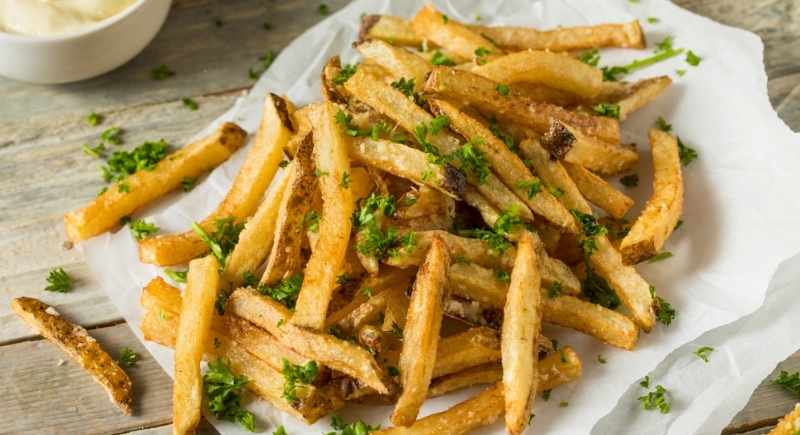
Image via Getty Images/bhofack2
Outside of peak truffle season or high-end restaurants using shaved fresh truffles, most truffle fries rely on truffle oil. Many commercial truffle oils contain synthetic flavor compounds rather than real truffle extract. The result can taste sharp and artificial while adding high cost to otherwise standard French fries.
Gold-Flake Desserts, Steaks, or Cocktails
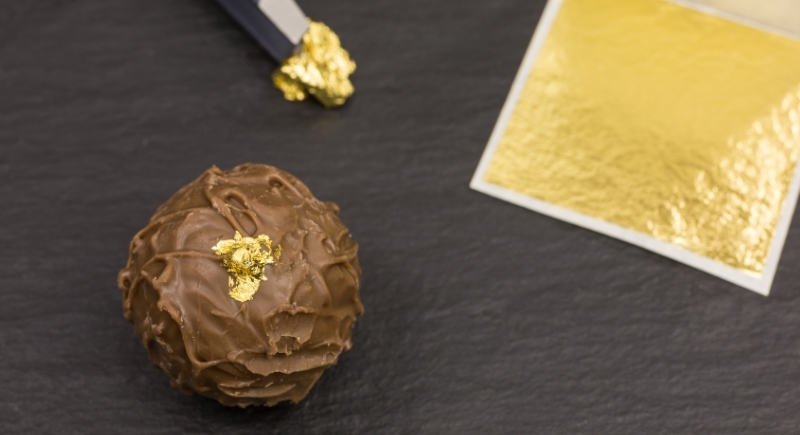
Image via Getty Images/seramo
Edible gold looks impressive, but contributes zero flavor. Its value is purely visual. Restaurants often charge large markups for dishes topped with gold leaf, even though the ingredient does nothing to improve taste, texture, or cooking quality.
“Chef’s Signature” Pasta
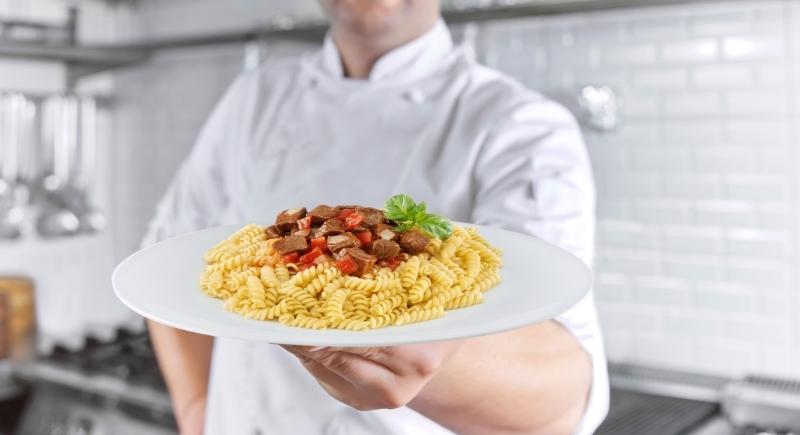
Image via Getty Images/gerenme
Pasta labeled as a signature dish often carries premium pricing despite using low-cost core ingredients like dried pasta, cream, butter, or tomato sauce. Unless the pasta is house-made or showcases advanced technique, the price frequently reflects branding rather than ingredient or labor cost.
Wagyu Burgers
Authentic Japanese Wagyu is extremely expensive and prized for its marbling. When ground into burgers, much of that texture advantage disappears. Many restaurants also use Wagyu blends mixed with conventional beef. The final burger usually tastes similar to a quality standard beef burger, despite costing far more.
Charcuterie Boards
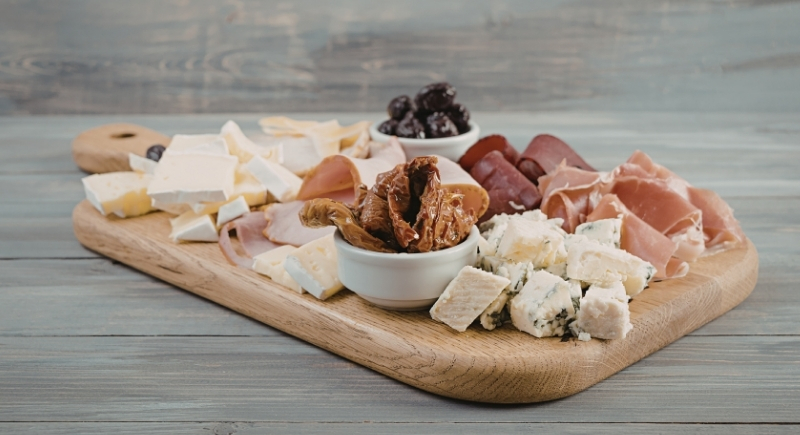
Image via Canva/Delia Pindaru’s Images
These boards photograph beautifully and create a sense of abundance, but portion math often works against diners. Small amounts of cured meats, cheese, crackers, and jam can cost as much as full entrées. Most components are easy to buy retail at a far lower cost.
Table-Side Prepared Dishes
Table-side Caesar salads, guacamole, or flambé desserts only add entertainment value. Flavor improvements are rarely dramatic compared to kitchen-prepared versions. The added cost usually reflects labor and performance rather than higher-quality ingredients or better cooking techniques.
Saffron Risotto
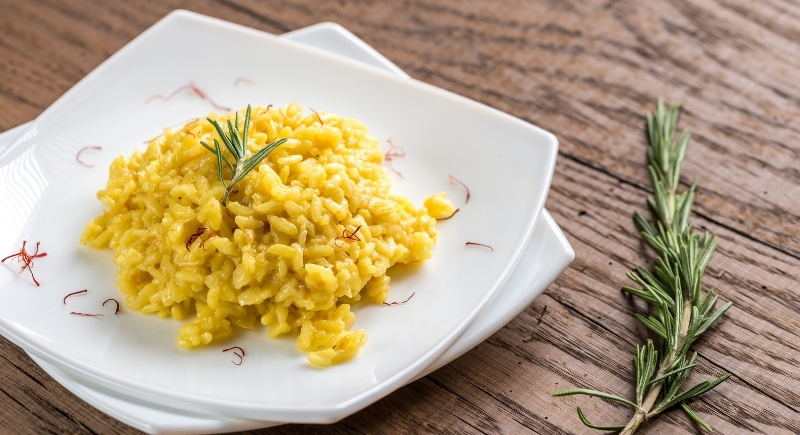
Image via Canva/Oleksandr Prokopenko
Saffron is one of the world’s most expensive spices, but many restaurants use such small amounts that its aroma barely registers. A proper saffron-forward dish should have a deep golden color and a distinct fragrance. When those are missing, diners are often paying for the idea of saffron rather than its presence.
Lobster Mac and Cheese
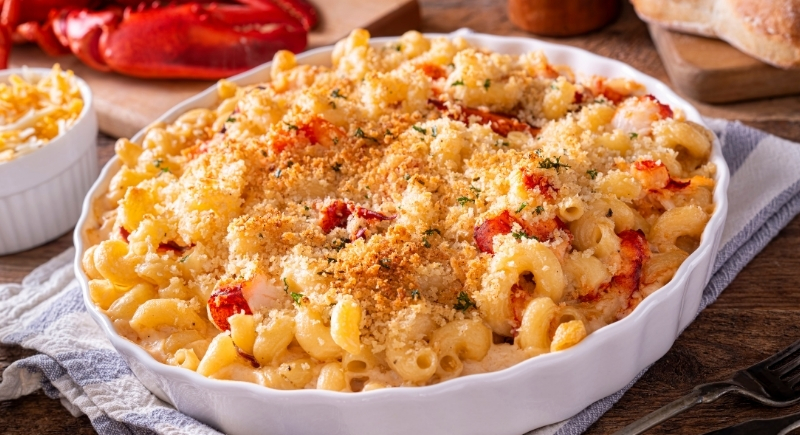
Image via Getty Images/Fudio
Menu descriptions often highlight lobster, but many versions include only small scattered pieces buried under heavy cheese sauce. The lobster surcharge can be significant even when seafood makes up a tiny percentage of the dish. In practice, many versions taste like standard mac and cheese with occasional seafood texture.
Ahi Tuna Towers
Stacked tuna tartare layered with avocado and sauce looks dramatic but relies on simple, repeating ingredients. Portion size often stays modest despite premium pricing. Visual height and plating complexity frequently drive cost more than ingredient rarity or preparation difficulty.
Deconstructed Desserts
Deconstructed cheesecake, tiramisu, or pie often replaces full portions with scattered components arranged artistically on a plate. While the presentation can be creative, diners sometimes receive less food than the classic version while paying more for plating effort and visual design.