10 Essential Grocery Store Insights for Navigating Complex Food Labels
A growing number of shoppers rely on quick label cues like “low fat” or “organic,” but those words often hide more than they reveal. Food manufacturers can legally round values, split ingredients under different names, and present serving sizes that hide reality on paper. Thus, understanding a label now is all about spotting patterns most people miss at first glance.
Serving Size
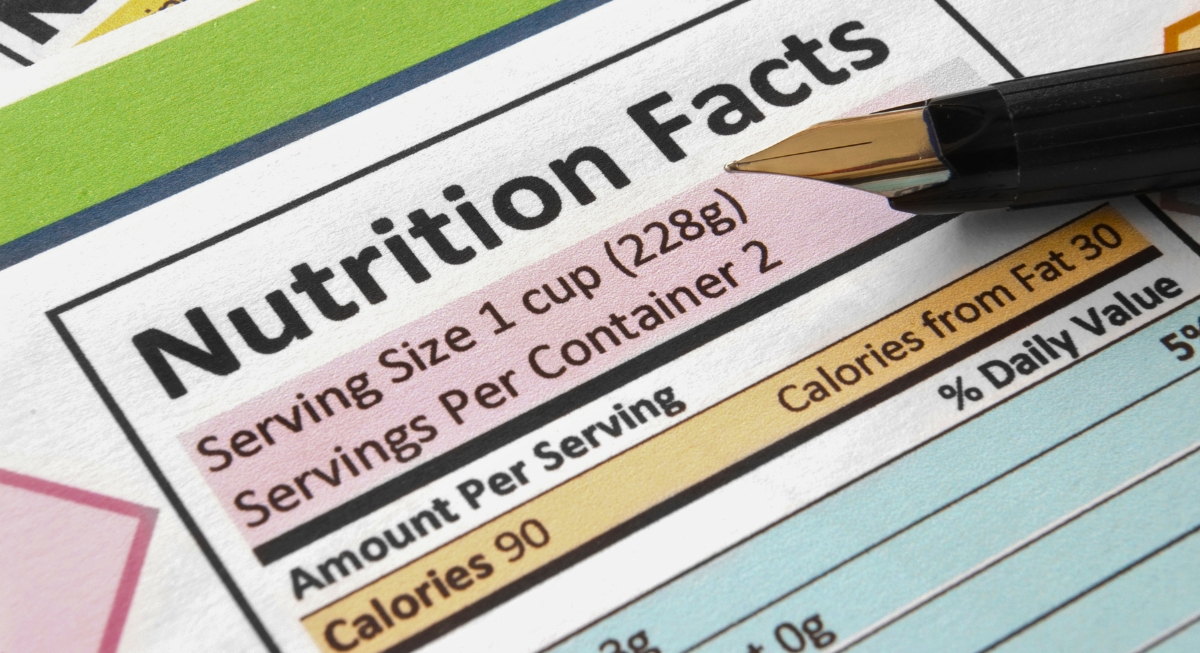
Image via Getty Images/i_frontier
Every number on a label ties back to the serving size. A product might list half a cup as a serving, but most people eat double that without thinking. This instantly doubles calories, sugar, sodium, and everything else. It’s the easiest detail to overlook, and the fastest way for numbers to become misleading.
Ingredients
Ingredient lists follow a strict order by weight, which makes the first few items the most important. A cereal that leads with sugar instead of grains tells everything you need to know. Shorter lists often signal less processing, while long lists packed with additives and preservatives suggest a heavily engineered product with a longer shelf life.
Trans Fat
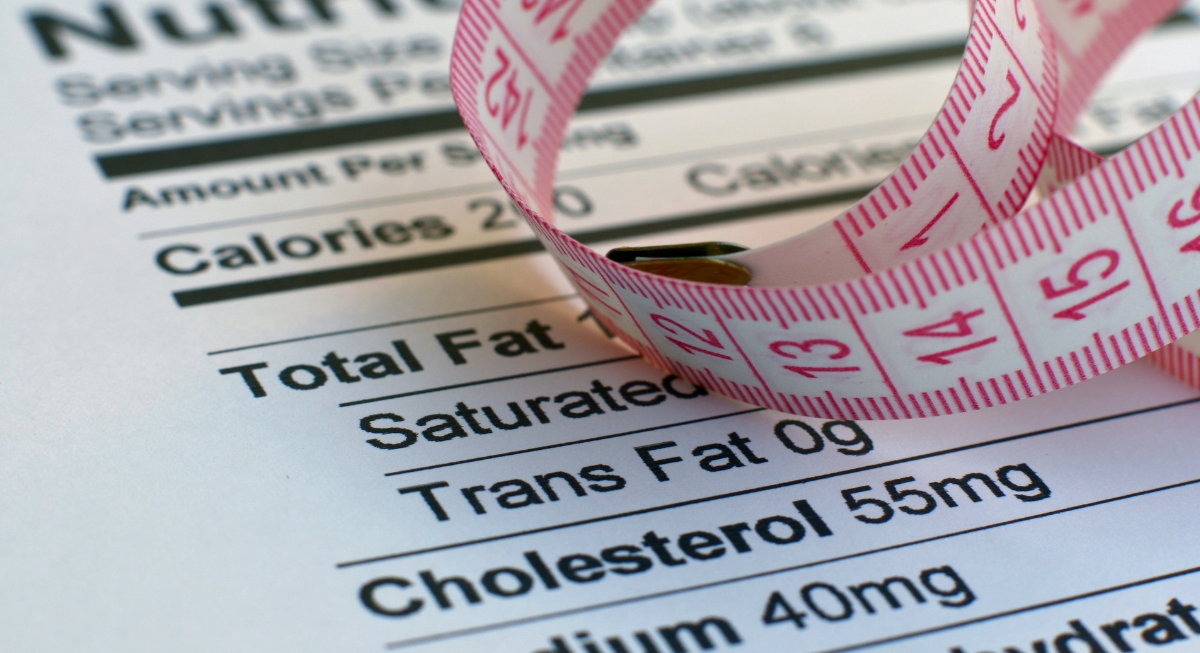
Image via Getty Images/alexskopje
Food labels can show 0 grams of trans fat even when small amounts are present. If “partially hydrogenated oil” appears in the ingredient list, that product still contains trans fat. This can raise cholesterol and increase heart disease risk.
Added Sugars
Sugar rarely appears as just “sugar.” Labels may list sucrose, high-fructose corn syrup, maple syrup, or other sweeteners. These all count toward added sugar intake, which should stay under 10 percent of daily calories. Spotting those variations makes it easier to cut back without guessing.
Sodium
Image via Getty Images/OlgaMiltsova
Daily sodium intake should stay under 2,300 mg, or 1,500 mg for older adults or those with certain heart conditions. Packaged foods can push totals higher, especially when sodium appears in different forms, such as sodium phosphate. A single serving might look harmless until multiple servings stack up.
Percentage Daily Value
The % Daily Value helps translate numbers into meaning. Around 5% or less signals a low amount, while 20% or more is considered high. That quick reference makes it easier to compare products and decide which ones support dietary goals without doing mental math in the aisle.
Calories
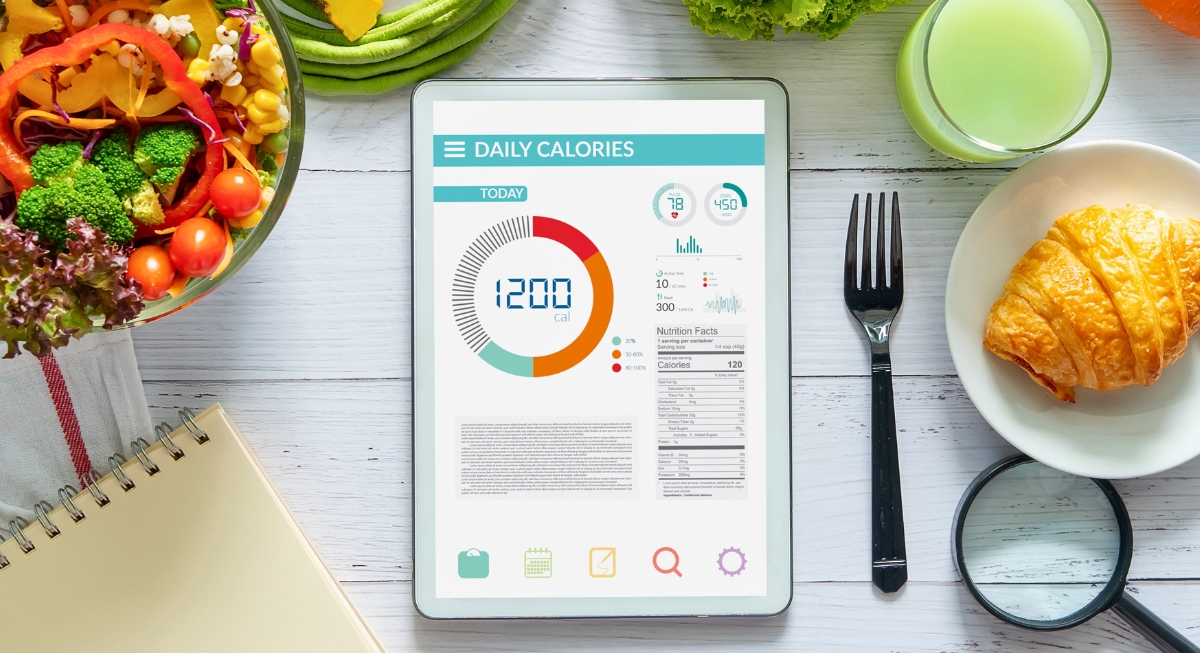
Image via Getty Images/asiandelight
Calories measure energy, but they don’t reflect quality. Two foods with the same calorie count can offer very different levels of nutrients. Nutrient-dense options provide vitamins, minerals, and fiber along with energy, while others deliver calories with little benefit.
Front-Of-Package Claims
Terms like “low fat” or “reduced” follow specific definitions, but they don’t guarantee overall health value. “Reduced” means 25 percent less of something than another version. The real details are in the nutrition panel, not the bold claims on the front.
Allergens And Certifications
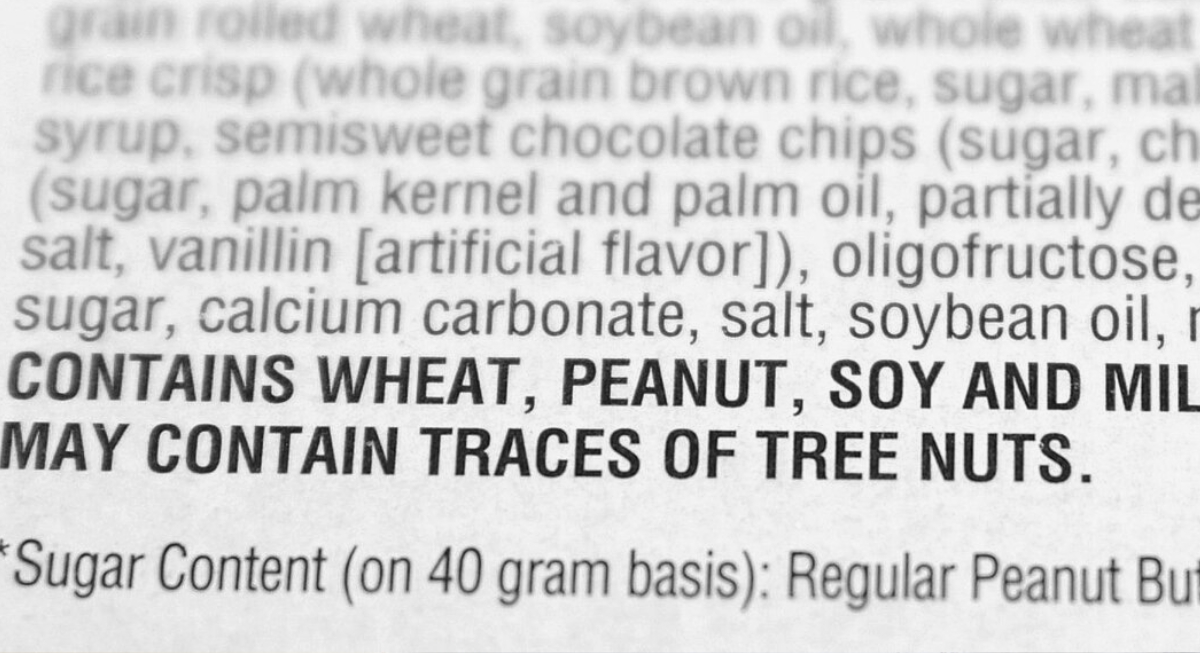
Image via Wikimedia Commons/Hustvedt
Food labels clearly list common allergens like milk, peanuts, soy, and wheat to prevent serious reactions. Certifications such as gluten-free, kosher, or organic also provide insight into how a product was produced. These markers can shape choices just as much as calorie counts.
Date Labels
“Best if used by,” “sell by,” and “use by” dates often confuse shoppers. These dates usually reflect peak quality rather than strict safety deadlines. Proper storage still plays a major part in keeping food safe beyond those printed dates.