10 Critical Ways Climate Change Is Reshaping the Global Future of Coffee
Coffee supply has always felt almost immune to disruption, but signals from major growing regions tell a different story. Over the past few years, these signals have been getting hard to ignore. The pressure is tied to a steady occurrence that’s changing how coffee is grown, where it can survive, and who gets to keep producing it.
Extreme Heat Is Rewriting the Rules
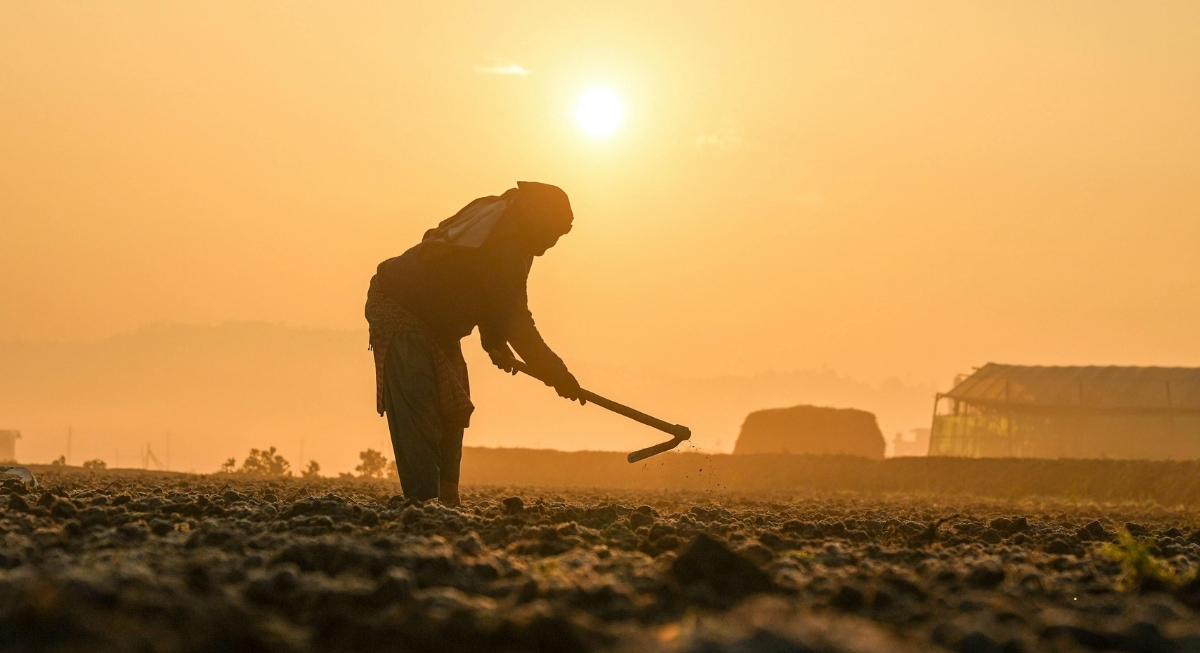
Image via Pexels/Bijen Amatya
Temperature spikes are hitting coffee farms more often, and they’re doing real damage. A 2026 analysis found that all 25 major coffee-producing countries experienced more “harming heat” days in the past five years alone. That adds up to about 57 extra days each year where temperatures cross into dangerous territory for coffee plants.
Coffee’s Comfort Zone Is Shrinking
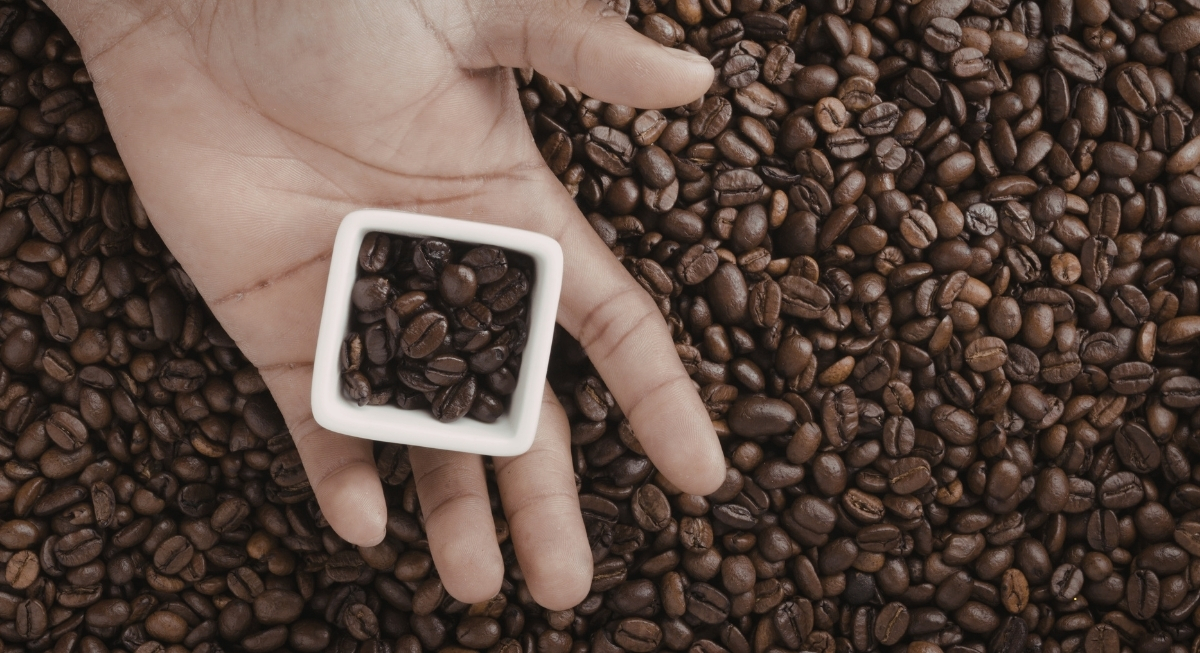
Image via Canva/Alfred Evelina’s Images
Coffee grows best within a tight range, around 64 to 70°F with steady rainfall. Once temperatures rise beyond that, plants struggle to flower and develop properly. Arabica, which accounts for about 70 percent of global production, is especially sensitive.
Key Regions Are Under Serious Strain
Brazil, the largest producer, now faces roughly 70 additional days of damaging heat each year. Vietnam, Colombia, and Ethiopia are facing similar pressure. Together, these countries account for a large share of global exports, so disruptions in just a few places ripple across the entire market.
Yields Are Dropping, and Quality Is Taking a Hit
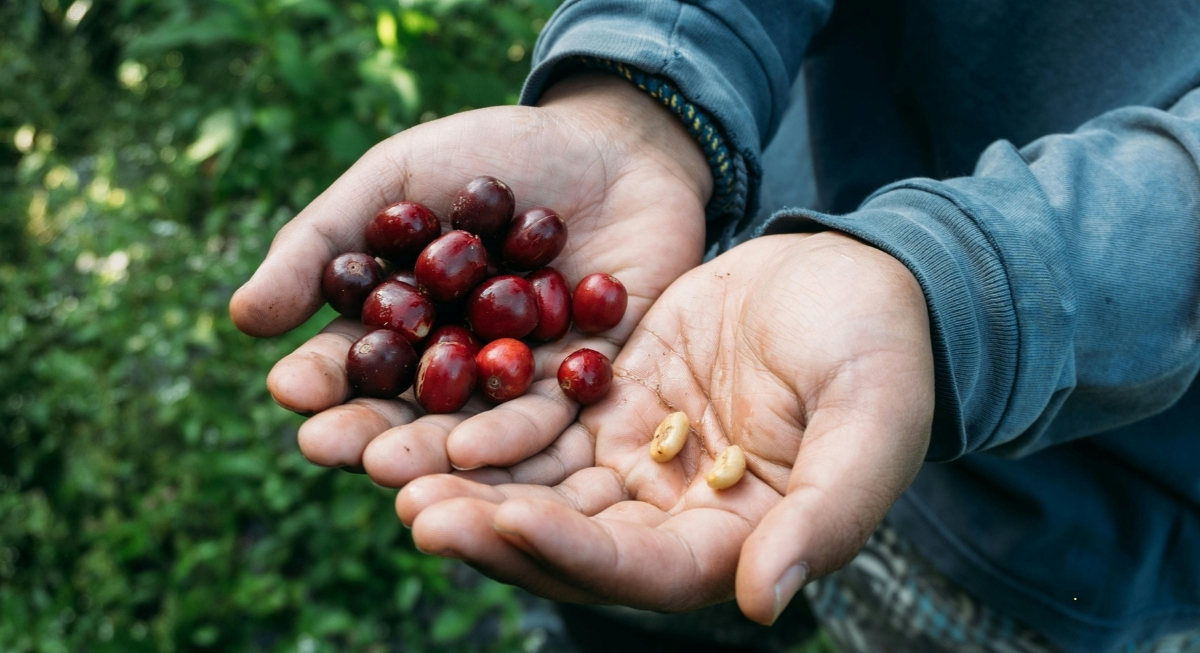
Image via Pexels/Keri Liwi
Heat stress changes the beans themselves. Higher temperatures can shrink bean size, lower density, and alter flavor. For specialty coffee, even small climate changes can shift taste profiles enough to affect pricing and demand.
Suitable Land Could Be Cut in Half
Long-term projections paint a tougher picture. By 2050, the amount of land best suited for coffee cultivation could drop by about 50% across different climate scenarios. Rising temperatures in countries like Brazil, Indonesia, and Colombia are driving most of that decline.
Farms Are Moving Uphill, With Limits
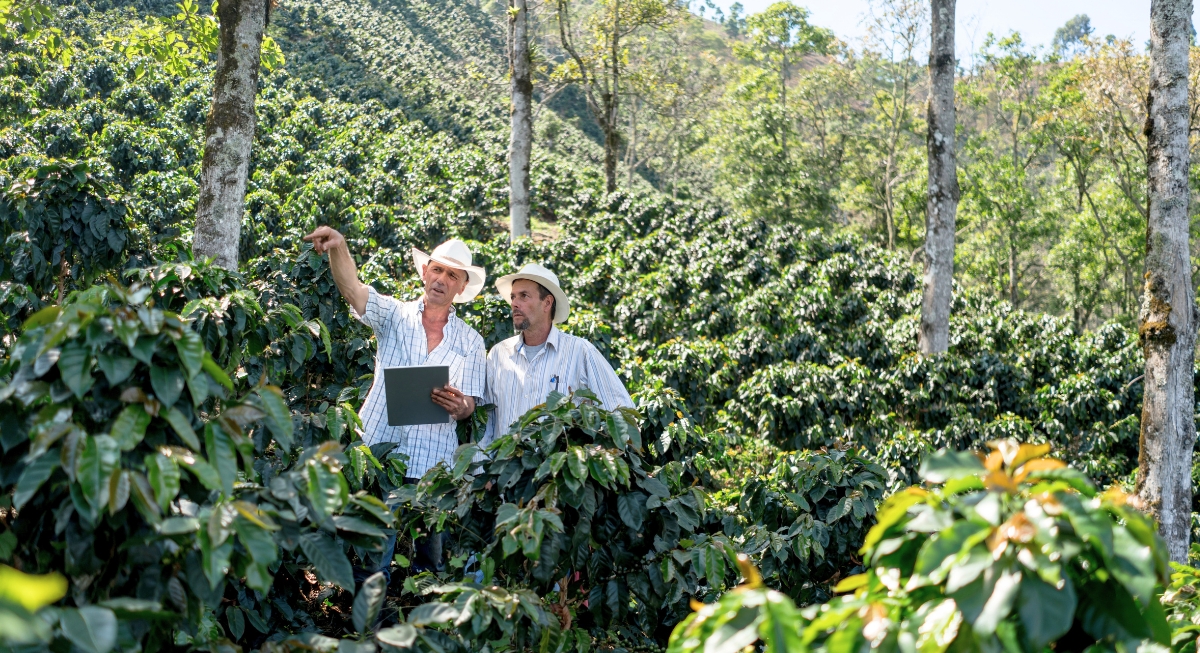
Image via Getty Images/andresr
Some growers are shifting coffee production to higher elevations where it’s cooler. That strategy has helped in the short term, and in some cases, coffee is now growing above 6,000 feet where it couldn’t before. Still, there’s only so much land available at higher altitudes, and expansion can lead to deforestation.
Pests and Diseases Are Spreading Faster
Warmer conditions are making it easier for pests like the coffee borer beetle and diseases like coffee leaf rust to spread. A major outbreak of leaf rust in 2012 caused over $3 billion in damage, and rising temperatures are increasing the risk of similar events.
Rainfall Patterns Are Becoming Unpredictable
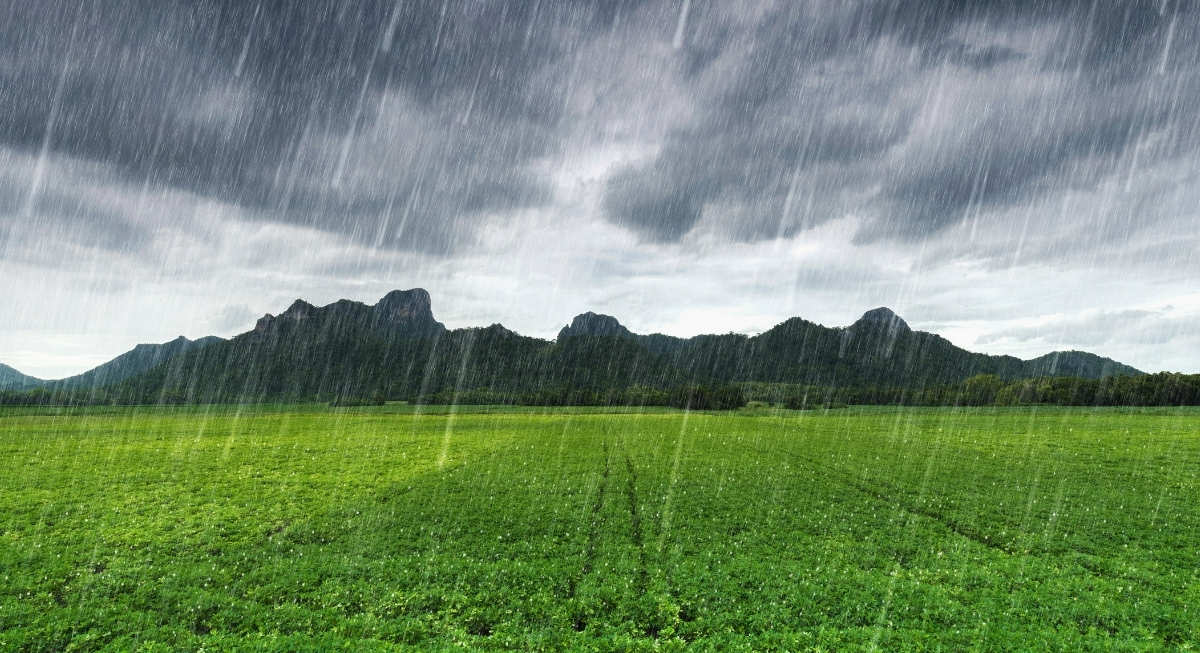
Image via Getty Images/geargodz
Some regions are dealing with drought, while others are seeing heavier rainfall. That inconsistency disrupts harvest cycles and makes it harder for farmers to plan. In certain areas, more frequent harvests are possible, but they entail higher labor costs and greater strain on workers.
Millions of Farmers Are Feeling the Pressure
Around 125 million people depend on coffee for their livelihoods, and many of them are small-scale farmers. These growers often lack the resources to adapt quickly, which leaves them exposed to unstable yields and fluctuating prices as climate conditions shift.
Coffee Is a Vulnerable Crop in a Changing Food System
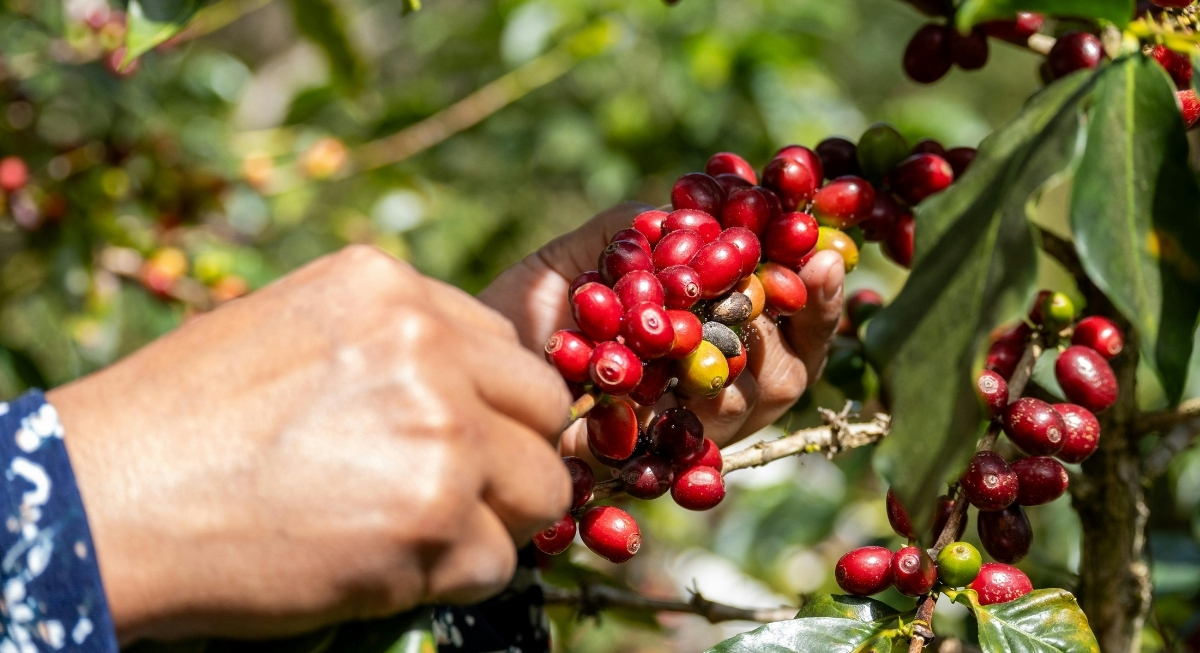
Image via Pexels/Irvin David
A global study comparing coffee, cashews, and avocados found that coffee faces the steepest decline under climate change. While some regions may gain ground for other crops, coffee stands out as one of the most climate-sensitive staples. This highlights a bigger change in agriculture, where some foods adapt while others struggle to keep up.