10 Compelling Reasons to Support the UK’s Massive Bean and Pulse Revolution
Headlines about fiber gaps, rising food costs, and climate targets keep pointing to the same solution. Sales of beans are increasing, and major food companies are making public commitments. Still, most people use beans only for a basic meal. The mismatch is exactly why this movement is gaining traction and why it’s starting to matter more than it first appears.
The Fiber Gap Hasn’t Been Fixed Yet
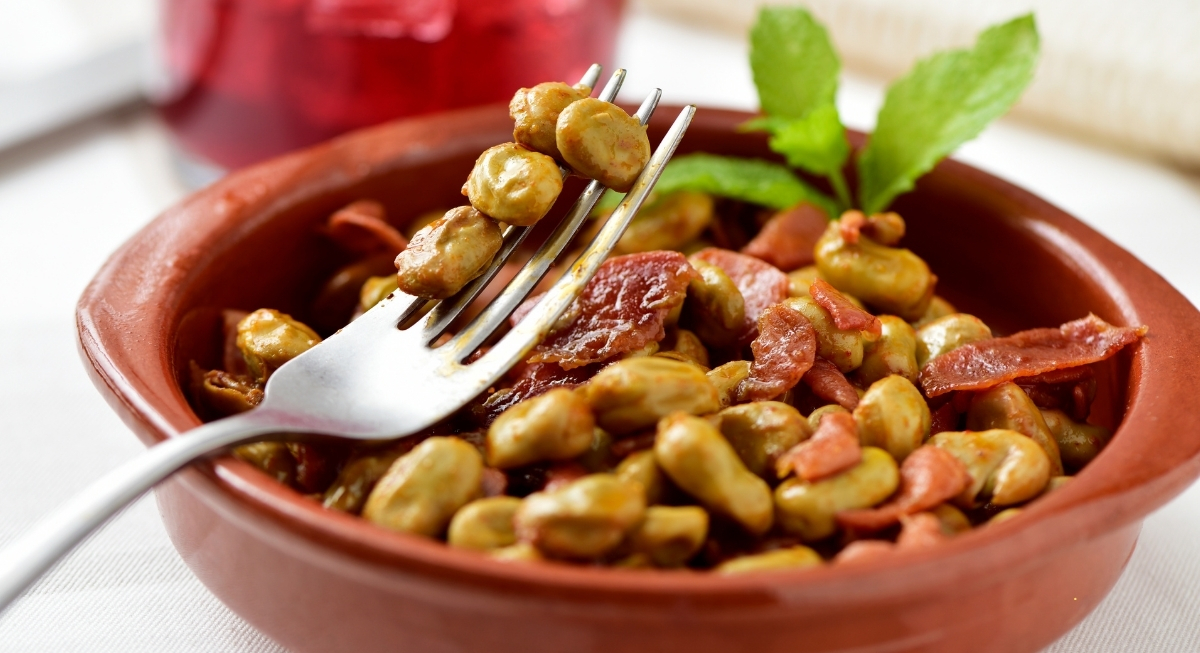
Image via Canva/Juan Moyano
Only about 4 percent of adults in the United Kingdom meet the recommended fiber intake, while the average person falls short by a wide margin. Beans are one of the easiest fixes. A single portion delivers around five to eight grams of fiber, and even a third of a can can add about five grams. That closes a meaningful chunk of the daily gap without requiring a full diet overhaul.
People Already Believe in Beans, They Just Don’t Use Them
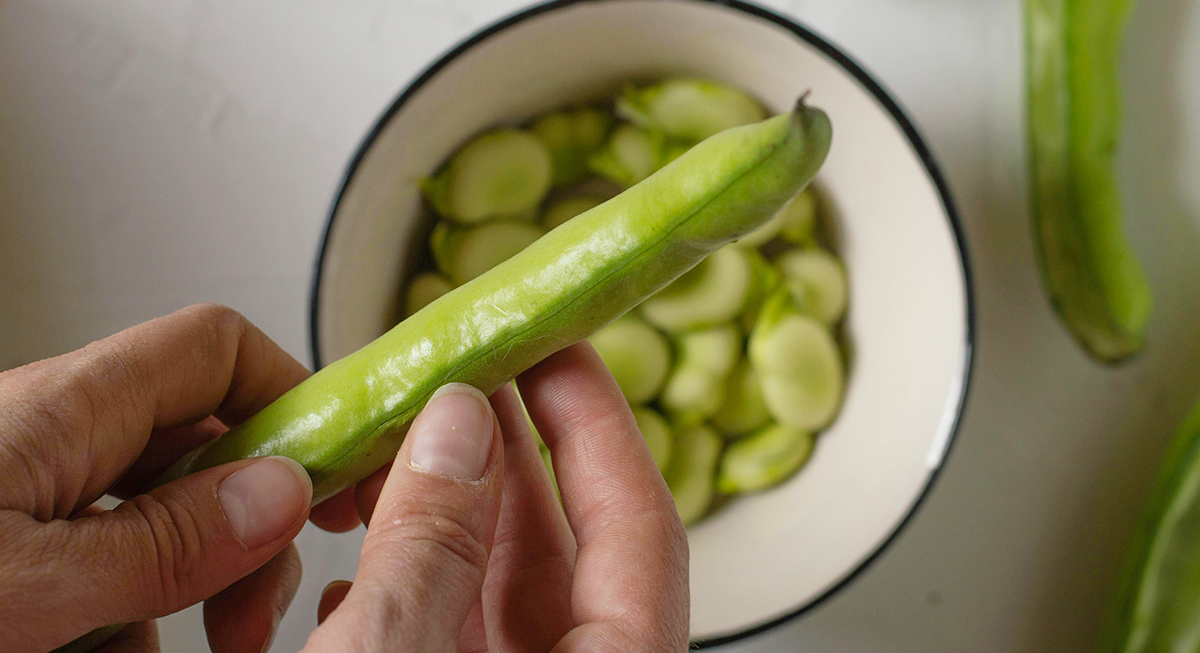
Image via Pexels/Nour Alhoda
Around 73 percent of people agree beans are good for them, and 62 percent say they taste good. Still, only about 24 percent eat them more than twice a week. There’s no convincing required; all that’s left to do now is to turn an existing belief into a daily habit.
The Health Upside Is Bigger Than Expected
Fiber supports digestion, helps manage cholesterol, supports stable blood sugar, and lowers the risk of heart disease and type 2 diabetes. Studies suggest that increasing fiber intake by 10 grams per day can reduce the risk of death from several conditions by about 10 percent. Beans make that jump feel realistic.
They Compete With Expensive “Health Foods” Without the Price Tag
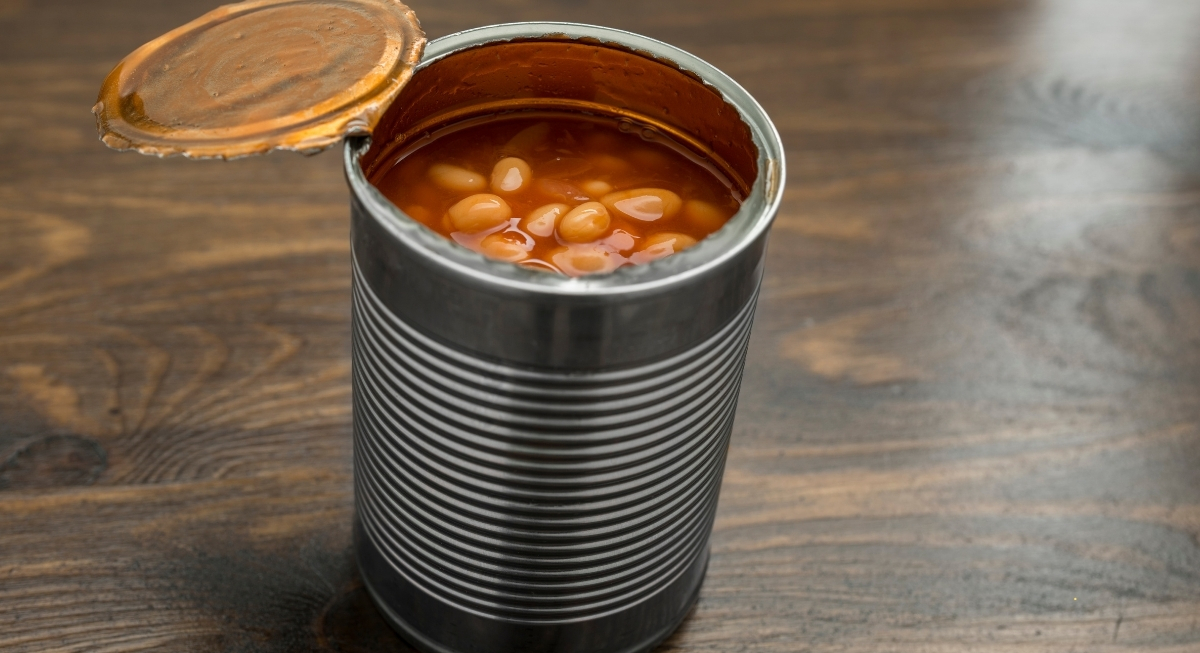
Image via Getty Images/john shepherd
A typical can of beans costs around £0.49, but delivers protein, fiber, and key nutrients like iron, magnesium, and potassium. That combination is hard to match at that price point. As grocery bills rise, this kind of value quickly stands out.
The Trend Isn’t Slowing Down
Retail data shows a sharp rise in demand. Waitrose reported a 122 percent increase in canned bean sales year over year, with chickpeas and butter beans leading the surge. Nearly one billion units of beans and pulses were sold in the UK between 2023 and 2024. This is no longer a niche shift.
Social Media and Food Culture Are Driving New Interest
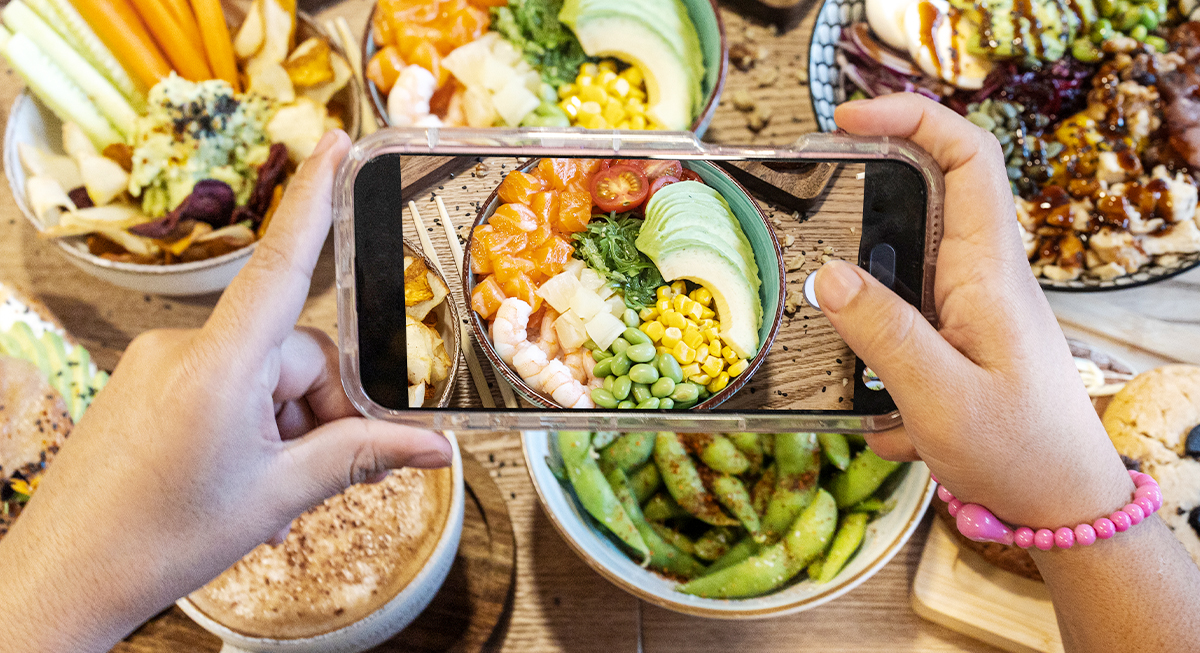
Image via iStockphoto/Jordi Calvera Solé
Beans used to sit in the background of most meals, but that’s changed. Recipe creators and food influencers have pushed them into everyday cooking, often highlighting plant-based protein and high-fiber meals. Conversations around gut health and ultra-processed foods have also pushed beans into the spotlight.
The Environmental Case Is Hard to Ignore
Beans naturally fix nitrogen in the soil, which reduces the need for synthetic fertilizers and supports healthier farmland. They also carry a much lower carbon footprint than animal-based proteins. Reports suggest the UK needs to cut meat consumption by at least 35 percent by 2050, and beans offer a practical way to help move in that direction.
The Food Industry Is Actively Backing the Shift
This isn’t just happening in home kitchens. Major players have joined the “Bang in Some Beans” campaign launched in November 2025 by The Food Foundation and Veg Power, backed by nearly £1.4 million in funding. Companies like Compass Group UK&I and BaxterStorey have pledged to increase bean usage, with some aiming to double sales by 2028. Retailers such as Lidl, Sainsbury’s, and Waitrose are already involved.
The Real Barrier Isn’t Access, It’s Confidence
About 66 percent of people say beans are easy to prepare, but only 42 percent feel confident cooking them. People often stick to baked beans because they’re familiar, even though beans can fit into far more meals. Once that confidence builds, usage tends to follow.
This Is One of the Few Changes That Checks Every Box
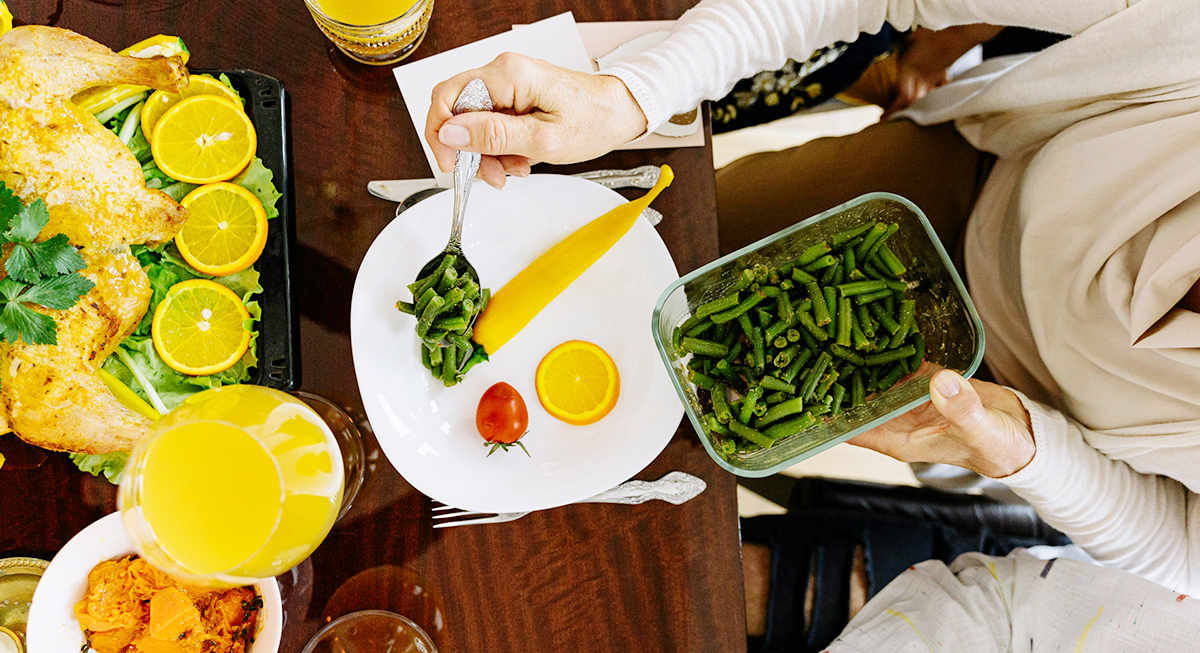
Image via Pexels/Antoni Shkraba Studio
Beans bring together health, cost, and sustainability in a way few foods can. They help close fiber gaps, stretch grocery budgets, and reduce environmental impact at the same time. With campaigns aiming to double consumption by 2028 and more businesses making beans easier to find and use, the momentum is already in motion. The only thing left is for everyday habits to catch up.