10 Bizarre Secrets Behind the 1960s Cereal War That Launched a Cult Phenomenon
In 1965, the Quaker Oats Company launched two nearly identical cereals simultaneously to spark a rivalry. One featured flying-saucer shapes, the other had gear-shaped pieces, and both were backed by colorful cartoon ads and catchy slogans aimed at kids. The twist was that children were asked to vote for their favorite, usually by mailing in ballots or choosing through promotions, and the losing cereal would be discontinued. The idea turned a simple product launch into a competition kids felt part of, and it helped build one of the most unusual cult followings in cereal history.
Creating Its Own Rivalry
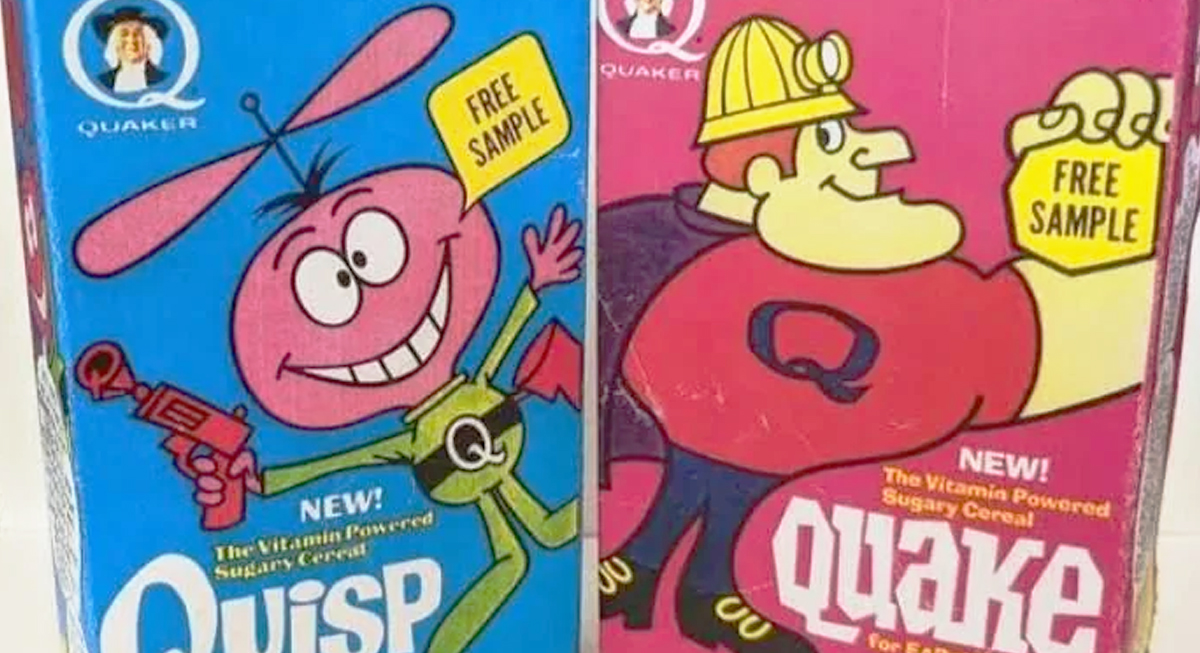
Image via Reddit/common_grounder
Quaker launched both sides of the fight itself. Quisp and Quake were launched simultaneously in 1965 under the same company, which made the whole “battle” feel a little sneaky and a lot smarter than a standard product rollout.
The Cereals Were Almost Twins
The cereals were far more alike than the ads suggested. Quisp and Quake had very similar flavor profiles, with Quisp often described as tasting close to Cap’n Crunch. The real split came down to shape and image: Quisp looked like little saucers, while Quake looked like gears. The “war” was largely branding.
Jay Ward Gave Cereal Ads A Cartoon Brain
The same creative force behind “Rocky and Bullwinkle” helped shape Quisp and Quake’s animated world. It explains why the commercials were closer to mini-comedy episodes than to plain sales pitches. That was important in the mid-1960s, when cereal brands were learning that characters could sell just as hard as sugar.
The Voices Added Another Layer
Daws Butler voiced Quisp, and William Conrad voiced Quake, thereby adding some pop culture glue. Butler already had a huge cartoon résumé and also voiced Cap’n Crunch, which gave Quisp a familiar sound for plenty of young viewers. Even the audio side of this campaign was built to stick.
The Commercials Were Basically Tiny Serials
Image via Getty Images/yasuhiroamano
The ads leaned heavily on storylines instead of simple product shots. In many Quisp cereal and Quake cereal commercials, the mascots were dropped into short, dramatic scenarios that played out like mini episodes. One moment, someone might be in trouble, surrounded by danger, or stuck in a risky situation, and the next moment the scene would pause on a cliffhanger. Instead of resolving the story, the ad flipped the focus back to the audience and asked kids to choose their favorite cereal.
Quake Got A Mid-Battle Makeover
Quake got a makeover because Quisp kept winning attention. In 1969, Quaker reworked its look and promoted the change in commercials. The miner became slimmer and cleaner-looking, and the cereal itself was pitched with a sweeter, honey-forward angle.
Getting Voted Off The Shelf

Image via iStockphoto/XiXinXing
Kids literally voted one mascot off the shelf. By 1972, the rivalry had reached its peak, and Quaker turned it into a direct contest over survival. Consumers voted on which cereal would remain in stores. Quisp won, but Quake lost.
Losing Did Not End The Drama
Quake soon helped introduce Simon and the orange-flavored Quangaroos, which set up another showdown. Quisp won again, and Quangaroos disappeared in 1976. At that point, Quisp was the repeat winner in a long-running elimination game.
Failure in Regular Grocery Reality
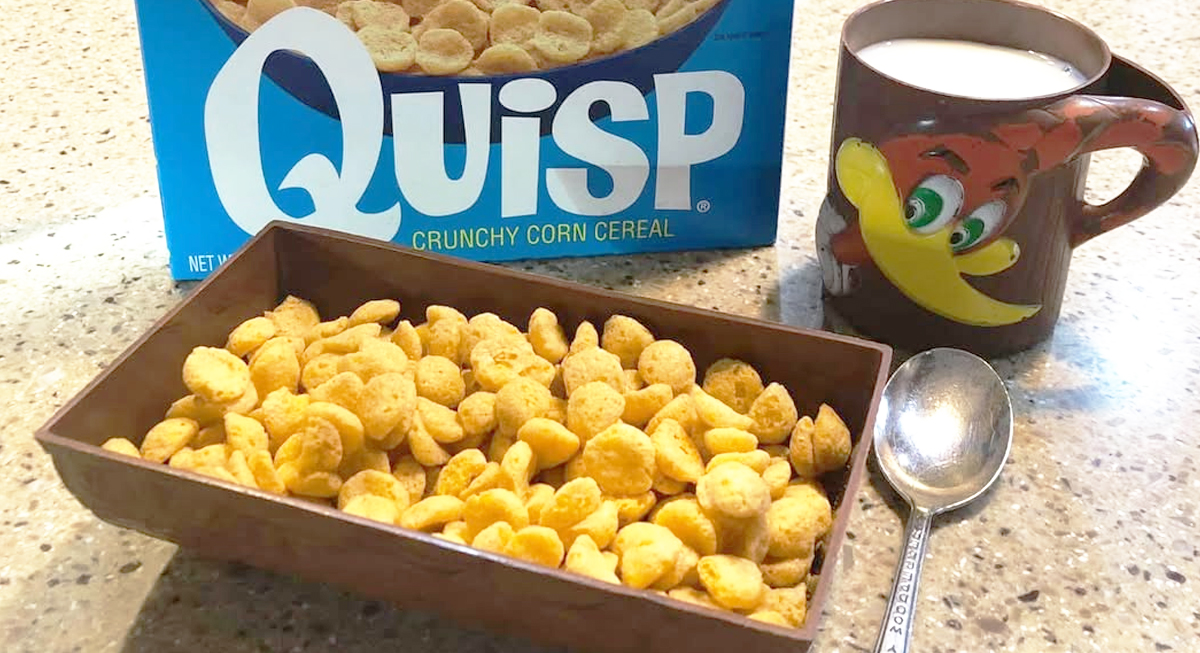
Image via Facebook/Wayne Rames
For all the hype, Quisp was discontinued in 1979 due to softening sales, but later revivals in 1985, 2001, and 2012 kept the name alive. The 2001 return was especially odd, with Quisp sold as an internet-only cereal.
The Odd Comeback Strategy
In 2001, Quisp was pushed as the “first Internet cereal,” with online sales and web extras tied to the brand. That move made perfect sense for a cereal already built on novelty, nostalgia, and a mascot people remembered decades later. A sugar cereal shaped like a UFO had become popular memorabilia among collectors, a retro flex, and one of the strangest survivors of 1960s food marketing.